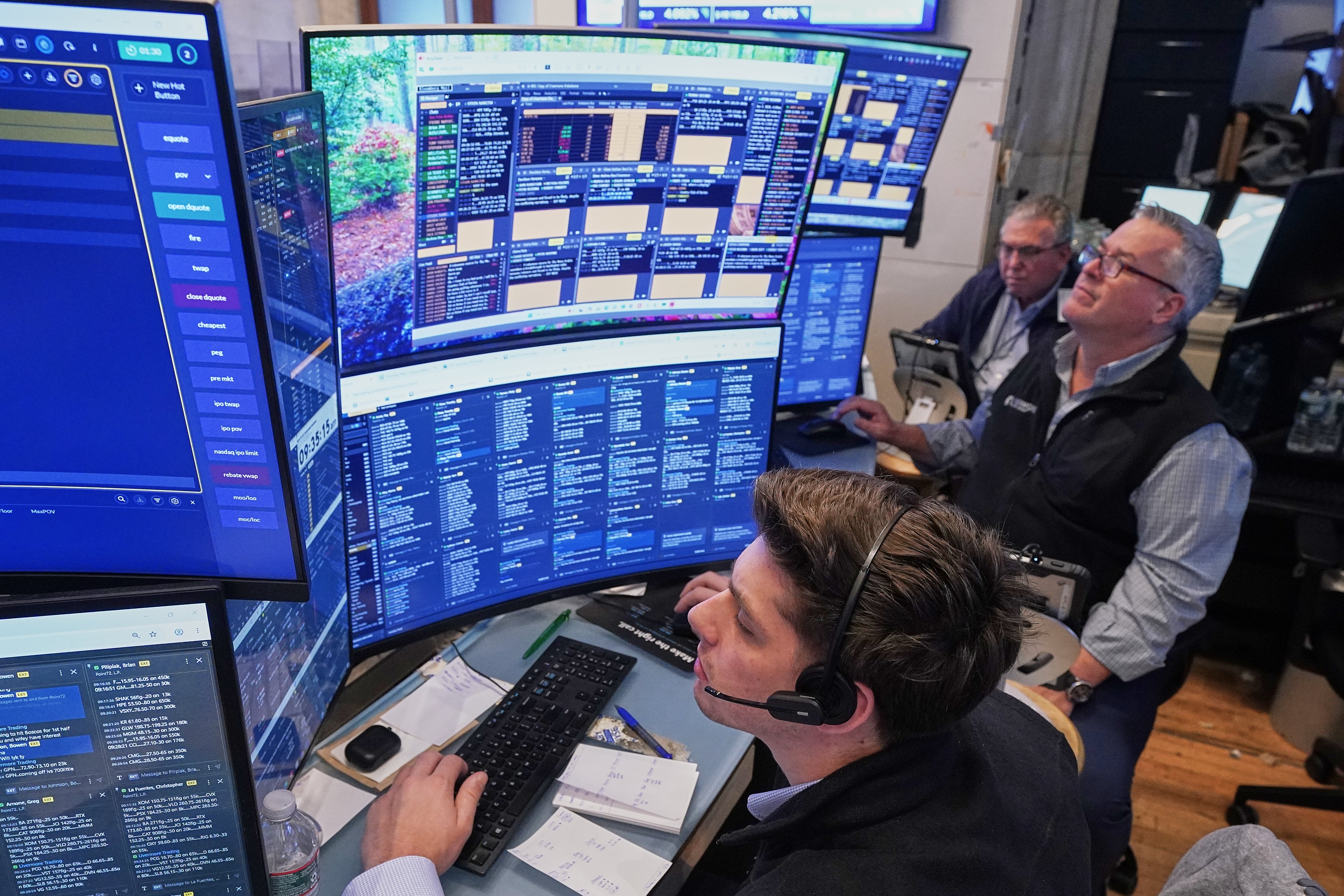

NEW YORK — Markets spent Friday pricing the end of a war on the strength of one man’s adjectives. After Donald Trump said he had called off planned strikes on Iran and described a settlement that could be signed as soon as this weekend, Wall Street’s S&P 500 closed 1.8 percent higher on Thursday, its best session since April, and the relief ran east overnight: Seoul’s KOSPI surged more than 8 percent, Tokyo’s Nikkei rose as much as 4 percent, and Brent crude slid to a two-month low, Al Jazeera reported.
The words that moved trillions were characteristically unfinished. We just made a great settlement of the war with Iran, Trump told reporters, subject to finalisation of documents. Tehran has confirmed no settlement; a foreign ministry spokesman would say only that a memorandum of understanding with the United States is under consideration. The gap between those two statements is where Friday’s entire rally lives.
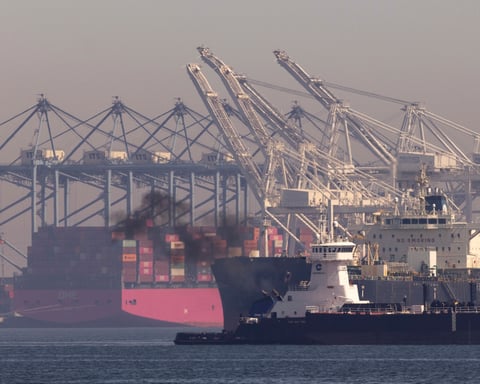
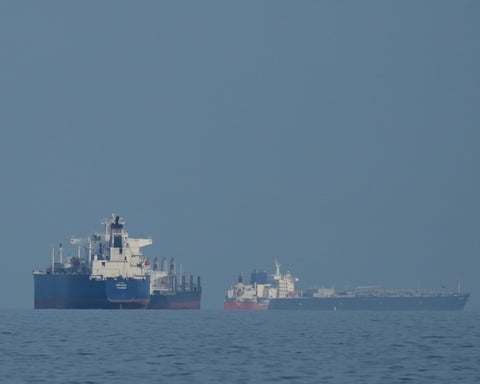
The scoreboard was nonetheless emphatic. The Nasdaq jumped 2.5 percent and the Dow gained nearly 930 points on Thursday; on Friday in Asia, Taiwan’s TAIEX added 2.4 percent, Australia’s ASX 200 1.8 percent and Hong Kong’s Hang Seng 1 percent, before Europe opened higher as well. Brent futures fell 2.3 percent to around $88 a barrel by mid-morning and WTI dropped below $86, on hopes that the Strait of Hormuz, which in peacetime carries about a fifth of the world’s energy supply, might finally return to normal traffic.
The symmetry with the start of the week is the part worth keeping. On Monday, Iran’s missiles and a jobs shock crashed Seoul’s market 8.29 percent and tripped its circuit breaker; on Friday the same index rose 8 percent on a presidential sentence. Oil has run the identical loop: it touched a seven-week low on Tuesday’s pause, spiked the same evening when Washington struck Iran, and is now back below where it started. Asian savers have surrendered and recovered trillions of dollars inside five sessions without a single fundamental changing.
The professionals are notably more careful than the tape. For the rally to be sustained, investors will want to see not only the actual deal being signed but a complete reopening of the Strait of Hormuz, ANZ’s Khoon Goh told clients. IG’s Fabien Yip read the Asian surge as proof that dip-buying interest remains genuine, which is an observation about investor psychology, not about Iran. Both are polite ways of noting that markets have rallied on Trump’s Iran announcements before and given the gains back when the documents stayed unsigned.
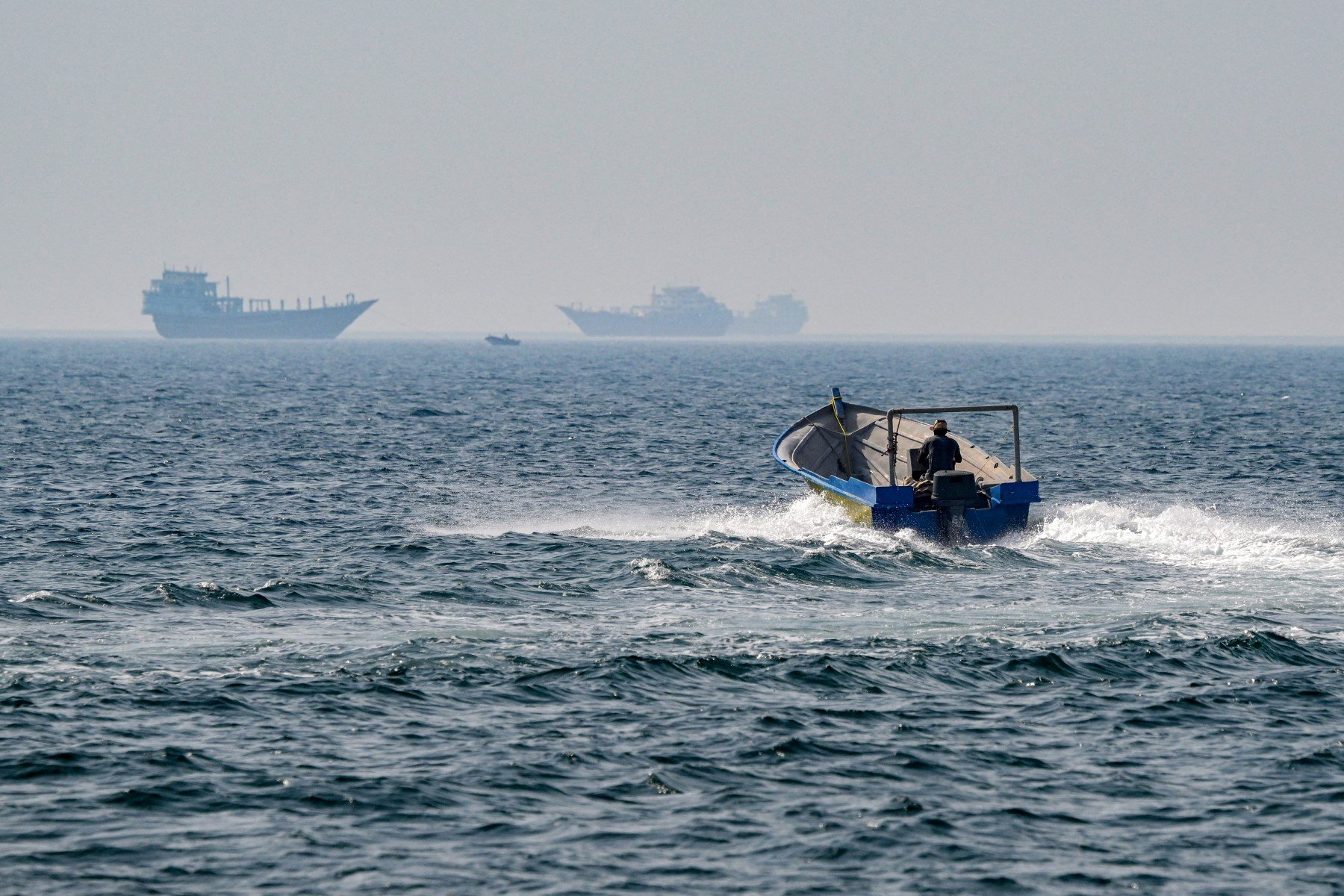
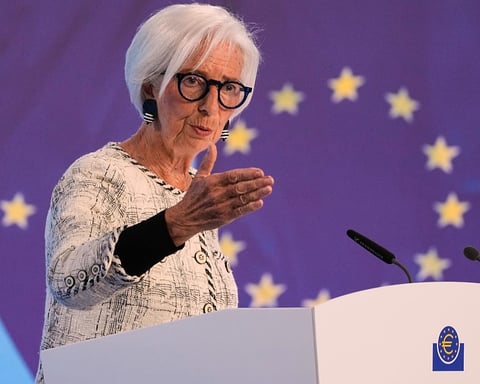
The costs of the war meanwhile keep arriving on schedule, indifferent to the peace headlines. US producer prices posted their largest annual jump since 2022 this week on war-driven energy costs, the European Central Bank raised rates on Thursday explicitly to fight inflation from the Iran conflict, and China’s factory gates recorded a near four-year inflation high that, as Eastern Herald reported, will travel into the world’s import bills regardless of what is signed this weekend. Wars are quick to start and stop on a screen; their invoices run longer.
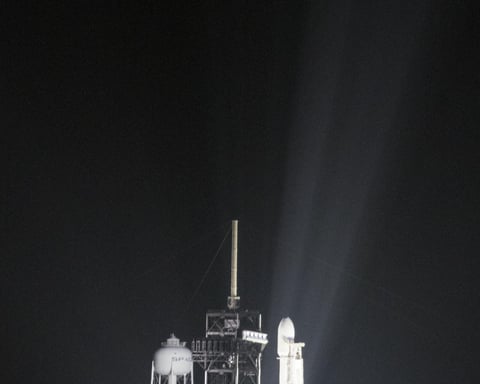
Into this tape, by coincidence of calendar, lands the largest stock-market debut ever attempted. SpaceX begins trading on the Nasdaq on Friday after raising $75 billion at a $1.77 trillion valuation, with early indications pointing sharply higher. A euphoric, war-is-over session is the friendliest possible runway for a debut priced for perfection, and the most honest description of Friday is that everything expensive got more expensive at once.
What would make the rally real is mundane: a signed text, confirmed by Tehran as well as Washington, and tankers moving through Hormuz at peacetime rates. What would unmake it is just as familiar, because it has happened twice since April. Until one or the other arrives, Friday stands as a precise measurement of something markets rarely admit: how much of the world’s market capitalization currently rests on the unverified afternoon remarks of one man.