
WASHINGTON — The American West is heading into a fire season that forecasters are describing in superlatives, and in the space of a single week its federal government moved to do two things at once: open 60 million acres of previously protected forest to roads and logging, and shut down most of the laboratories that study how forests burn. The timing is not a coincidence so much as a collision.
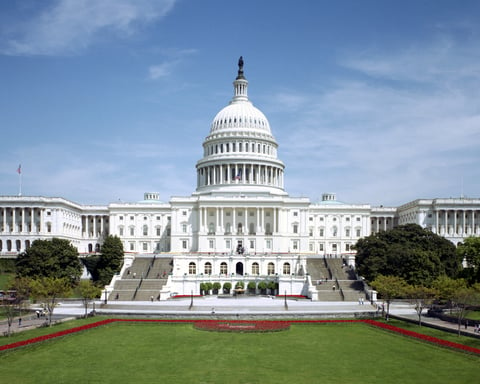
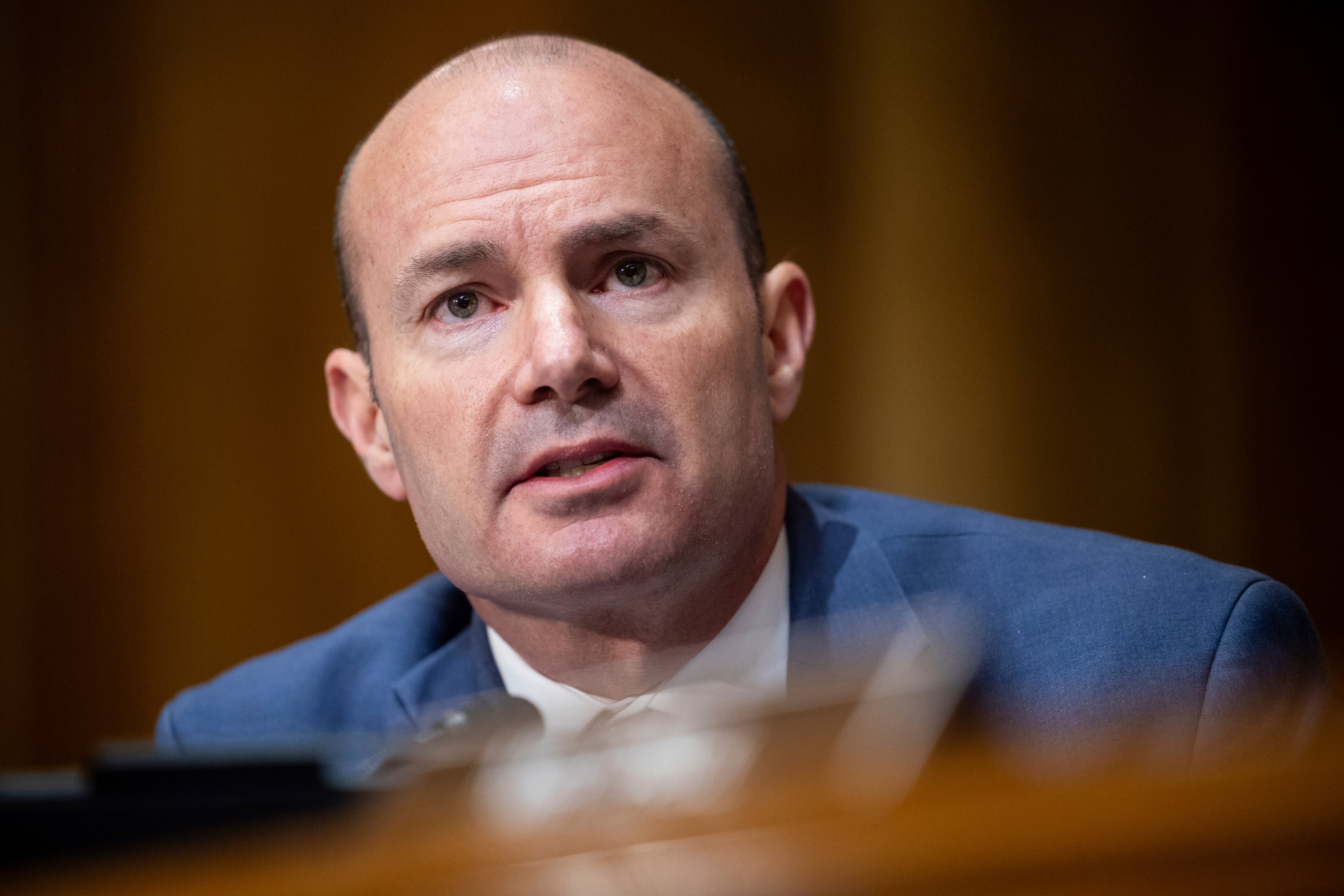
On Wednesday, in a party-line vote of 11 to 9, the Senate Energy and Natural Resources Committee advanced a measure that would repeal the 2001 Roadless Area Conservation Rule, the Clinton-era protection that has kept road building and timber harvesting off roughly 60 million acres of national forest for a quarter century. The repeal did not arrive as its own bill. Committee chairman Mike Lee of Utah attached it as an amendment to the Wildfire Prevention Act, a forest-thinning measure sponsored by Senator John Barrasso of Wyoming, and pushed the combined package through, Politico’s E&E News reported.
Lee framed the rule as the problem rather than the protection. The restrictions, he said, have wreaked havoc on Western communities, including many in his own state, and tend to increase wildfire risk, endanger communities and limit economic activity. The bill he amended would mandate a 40 percent increase in forest thinning and prescribed burning, the kind of fuel-reduction work most fire scientists support, while bolting on a logging-access provision most of them do not.
Democrats called the maneuver a Trojan horse. Senator Maria Cantwell of Washington said the amendment amounted to license to build a road anywhere, even where it is not cost effective, while Senator Alex Padilla of California pointed at the counterintuitive heart of the matter: fire threats, he said, increase by four times when a road is established, because roads are how people, and the sparks they bring, reach the backcountry. The empirical record largely backs him. A substantial share of Western wildfires start within a short distance of a road, ignited by vehicles, equipment and discarded cigarettes rather than lightning.
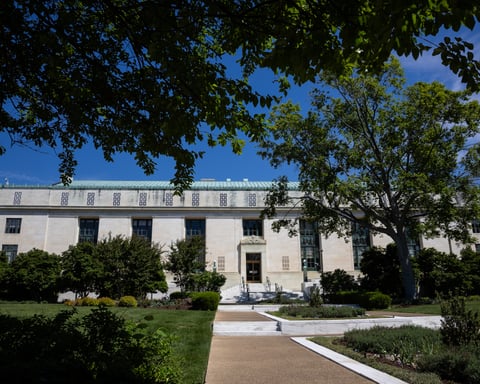
The second move landed quieter but cuts deeper. The US Forest Service is proceeding with a reorganization that would close 57 of its 77 research facilities across 31 states, consolidate what remains into a single office in Fort Collins, Colorado, and relocate the agency’s headquarters from Washington to Salt Lake City. The journal Science reported that the closures would eliminate roughly three-quarters of the agency’s research stations, the same network that produces the studies on how fires spread, how smoke travels and how a warming climate is reshaping both.
Agency leadership casts the closures as real-estate math, a way to shrink a physical footprint that a shrinking facilities budget can no longer carry, and insists the science itself is not the target. Current and former agency scientists, university partners and conservation groups describe something closer to a lobotomy, warning that losing three-quarters of the stations would be catastrophically disruptive, scatter decades of institutional knowledge and hollow out wildfire preparedness in exactly the regions, the Pacific Northwest and the northern Rockies, where the next big fires are most likely to run.
What ties the two decisions together is the calendar they share. A potentially record El Niño was formally declared this week, and while its rains tend to wet the southern tier, the pattern that builds toward it often primes the West with the heat and wind that turn a spark into a siege. Fire managers preparing for that season will be doing so with fewer researchers feeding them models, and, if the bill becomes law, with more roads threading into forest that has been roadless since before most of them started the job.
The science the cuts would silence is not abstract. It is the same discipline that lets researchers say how much hotter and drier human-caused warming has made a given fire season, the attribution work that an international team this week tied to 1.37 degrees of warming and that an industry-allied campaign is separately working to keep out of court. Defunding the instruments that measure a problem is one way to make the problem harder to prove.
There is a genuine policy argument buried under the politics, and it deserves to be stated fairly. Decades of fire suppression have left many Western forests dangerously overgrown, and most ecologists agree that thinning and carefully managed prescribed burns are essential to reducing catastrophic fire risk. The Barrasso bill’s thinning targets reflect real science. The dispute is over whether opening 60 million roadless acres to commercial logging accomplishes that goal or simply uses it as cover, and on that question the people who study fire for a living are not the ones who wrote the amendment.
The bill now moves to the full Senate, where its path is uncertain and a filibuster is plausible. The Forest Service reorganization needs no such vote; it is an administrative action already underway, with stations beginning to wind down. That asymmetry is its own story. The destruction of a roadless protection requires Congress and can be fought in the open. The dismantling of a research network can happen on a memo, and largely has.
What no one in the hearing room could say is what the summer will actually bring. The forecasts point to a hard season, not a certain one, and the West has been surprised in both directions before. The instruments that would have measured the difference, the research stations and the people who staff them, are the same ones being switched off. By the time the smoke clears enough to count the cost, much of the apparatus that does the counting may be gone.