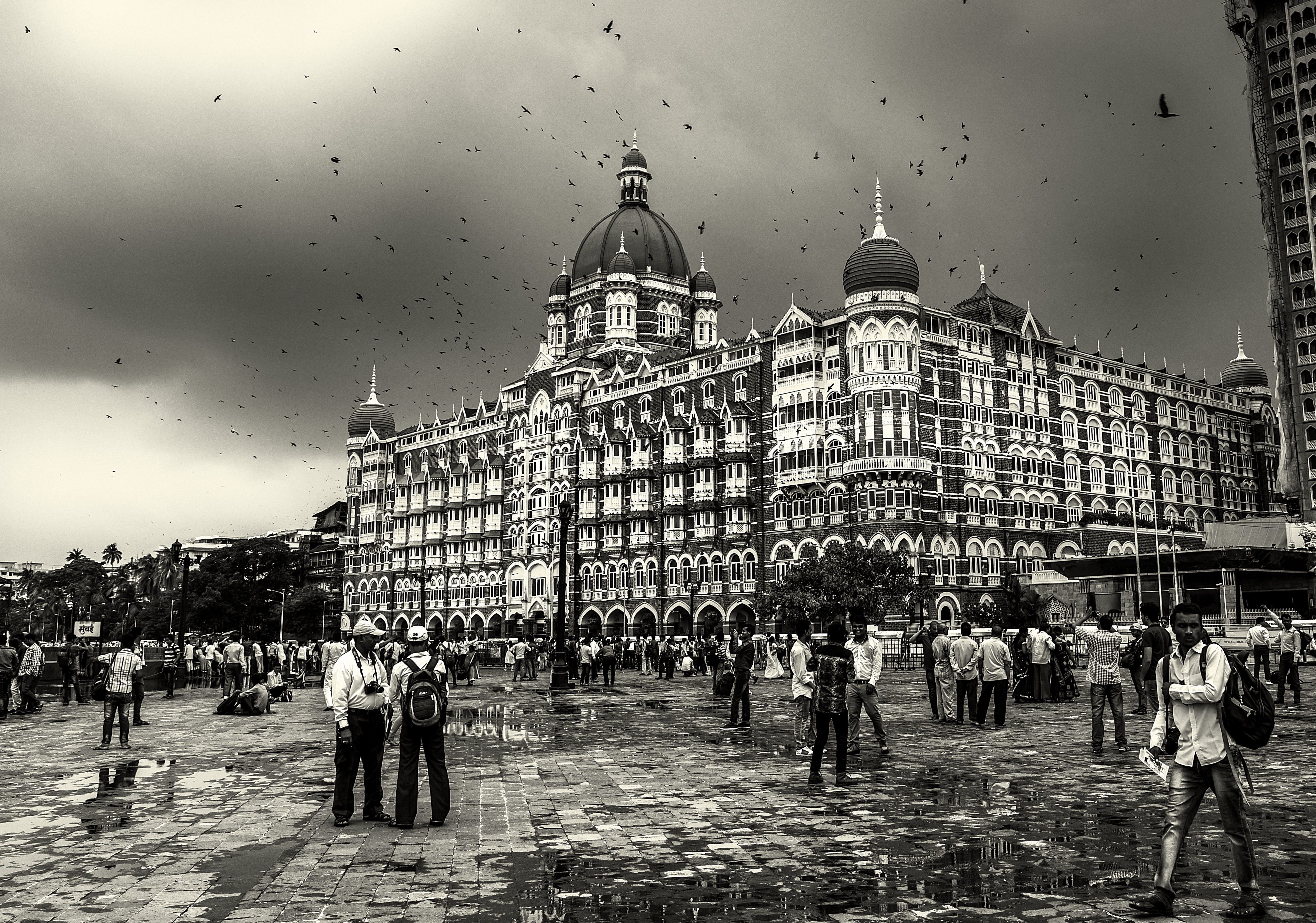

MUMBAI — The city’s appointment was Thursday. June 11 is the date the India Meteorological Department’s climatological calendar assigns to the monsoon’s normal arrival over Mumbai, and Friday morning’s instruments at Santacruz read like a no-show: 32 degrees Celsius, 71 percent humidity, a sea breeze at 18.5 kilometers per hour, and no rain worth the name.
The season is not stuck everywhere. The IMD’s monsoon bulletin for June 11 recorded a further advance into more of Karnataka, Telangana and Andhra Pradesh, the remaining parts of Tamil Nadu, more of West Bengal and parts of Bihar. Five states moved. Maharashtra was not on the list, and the omission is the story, because the corridor that was supposed to deliver Mumbai’s rain by this week’s forecast window has slowed exactly where the city needs it to hurry.
India Today put the question bluntly in its Friday coverage, asking where the monsoon is and describing the 2026 rain route as slow, uneven and disrupted. The unevenness matters beyond pride. Mumbai’s reservoirs run down through June by design, the city’s drainage calendar is built around a mid-June soaking, and the June 10 to 13 onset window the IMD’s regional forecasts sketched earlier this week is now almost spent.
Where the rain actually went is south and east. Karnataka took the heaviest of it, a week that began with a red alert over Bengaluru and has settled into a yellow alert running through the weekend. Tamil Nadu’s coverage is now complete, the ghats having wrung out the systems while Chennai sat dry in the rain shadow. Bengal and Bihar picked up the Bay of Bengal arm’s progress. The Arabian Sea arm, the one with Mumbai’s name on it, is the laggard.
The north, meanwhile, has been getting its weather from somewhere else entirely. The IMD’s June 10 release attributed the wet spell over northwest India, running through June 13, to a western disturbance, the Mediterranean-born systems that have nothing to do with the monsoon. That is the machinery behind the hailstorms the Times of India reported in Delhi on Friday, falling ice in a capital that was at 44 degrees nine days ago. The capital’s cooling is real. It is just not the season arriving; it is a different system passing through.
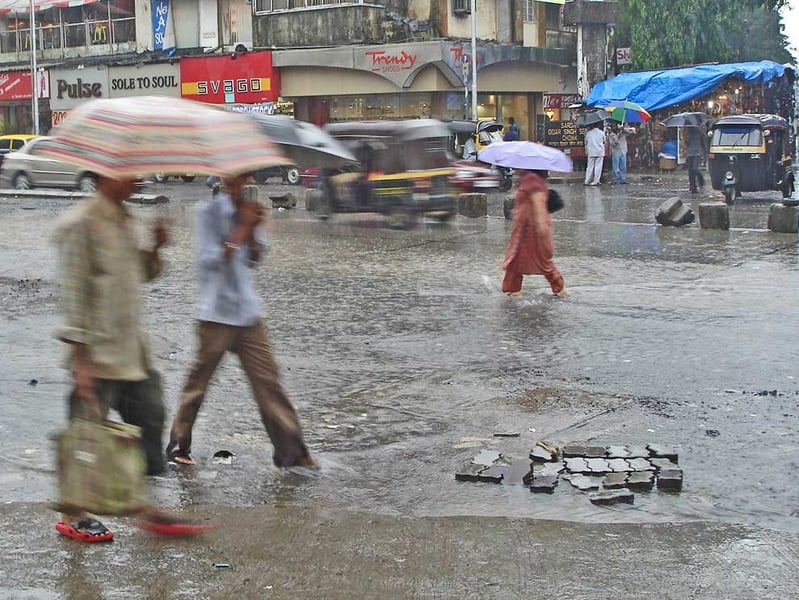
A stalling Arabian Sea arm is not unprecedented, and the IMD itself has not used the word stall. The monsoon advances in pulses, driven by low-pressure systems and the strength of the cross-equatorial flow, and a pause of several days between surges is within the season’s normal repertoire. What gives this pause its edge is the backdrop: the agency’s seasonal outlook, issued May 29, flagged the possibility of below-normal rainfall for 2026 as El Niño conditions develop later in the season. That is a probabilistic forecast with wide error bars, not a verdict, and the agency’s own guidance treats it as such. A late Mumbai onset does not confirm it. It does make the city read every dry morning twice.
What the IMD has not done is revise Mumbai’s date, declare a delay, or certify an onset anywhere in Maharashtra. The agency’s onset declaration waits on fixed rainfall, wind and outgoing-radiation criteria measured on the ground, and its Mumbai centre’s morning bulletins continue to carry light to moderate rain in the forecast without committing to the word arrival. There is also no public estimate yet of when the Arabian Sea arm resumes, because the pulse that restarts it has to form before anyone can track it.
So the city does what it does in the second week of June when the sky owes it money. The municipal corporation’s pre-monsoon works are as finished as they will ever be, the umbrellas are already by the door, and the evening crowds on the seafront watch a horizon that has spent three days promising and not delivering. Thursday was the date. The season, as it likes to remind this coast every few years, keeps its own calendar.