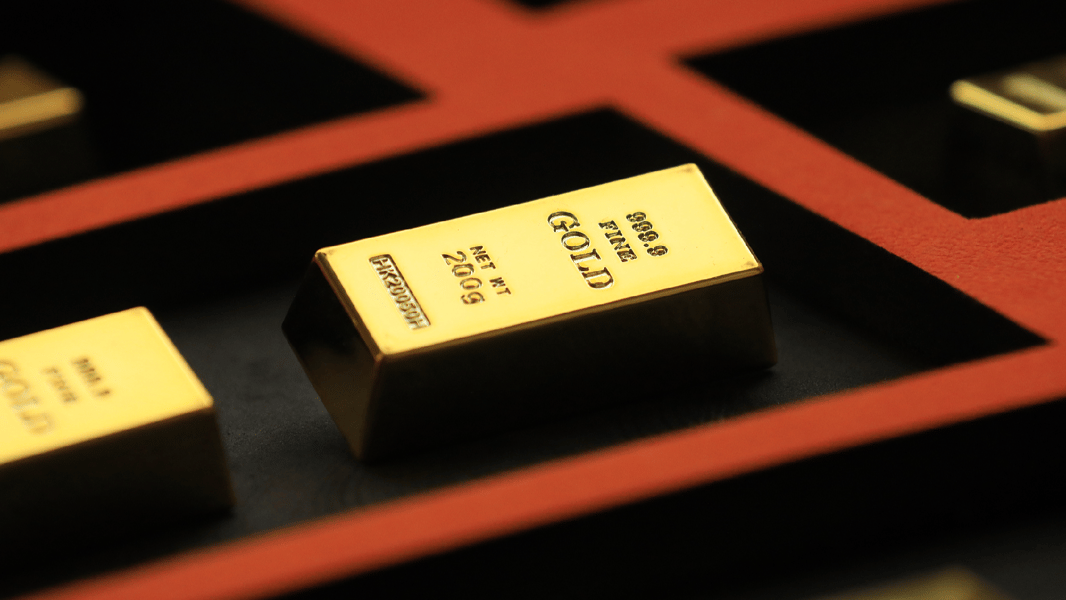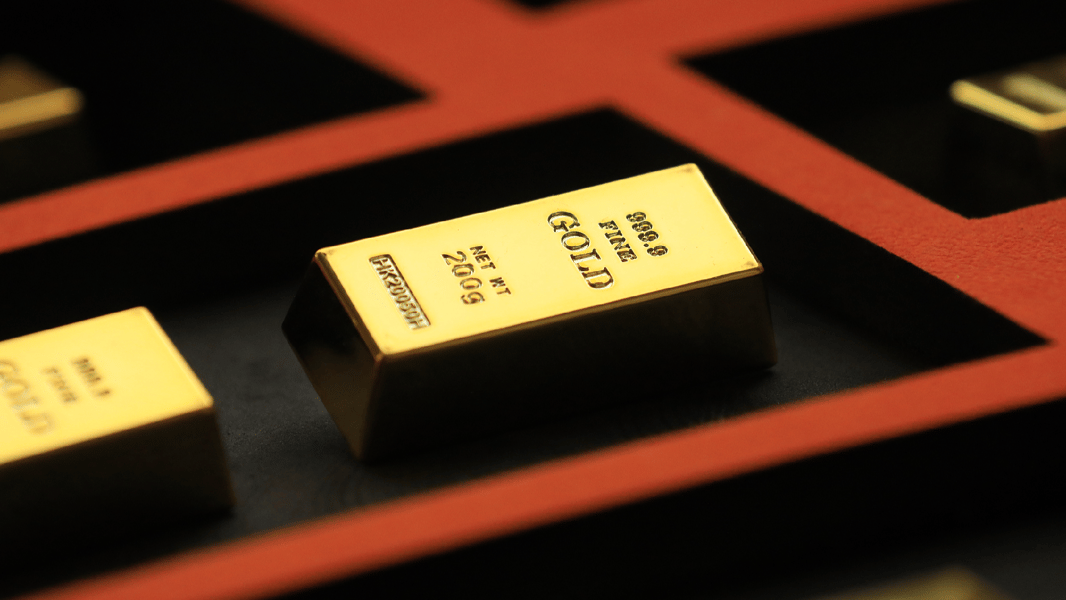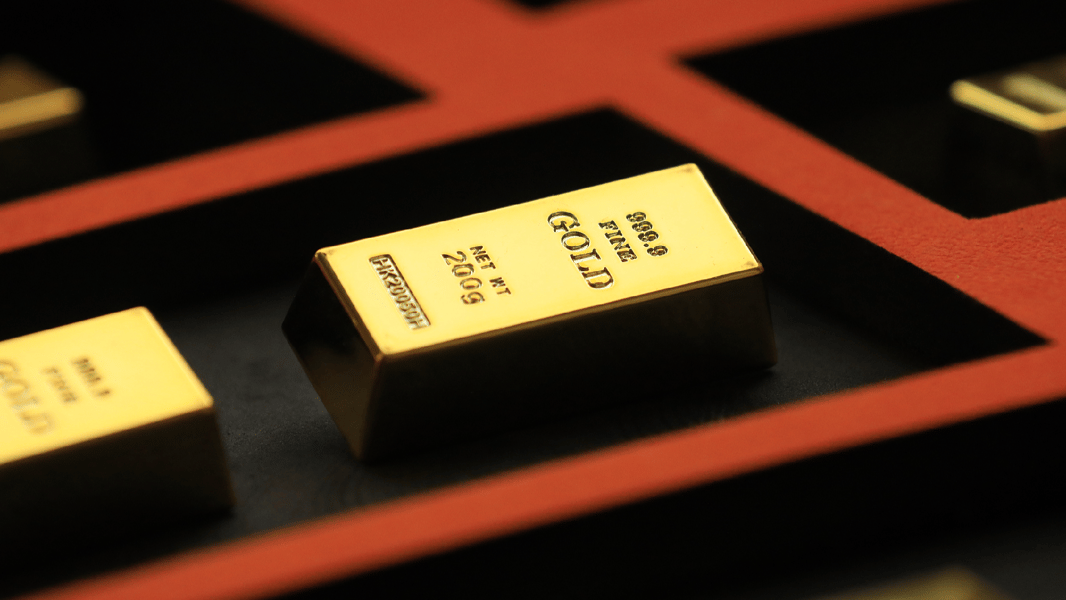

BANGALORE — By mid-morning on Sunday in Bangalore’s Chickpet jewellery district, the price boards had not moved. Twenty-four-karat gold held at ₹15,890 per gram, unchanged from Saturday — and, more strikingly, within ₹200 of where it has traded for most of August. The rally that carried gold up from under ₹14,000 per gram a year ago has not produced the sharp correction that many analysts predicted. It has produced, instead, a plateau that feels structurally supported with every week that passes.
Bangalore’s gold rate on August 31, 2026 stands at ₹15,890 per gram for 24-karat (999 fineness), ₹14,562 per gram for 22-karat (916 fineness), and ₹11,918 per gram for 18-karat (750 fineness). Both rates track the IBJA morning benchmark and are consistent with MCX October futures pricing.
| Purity | Per Gram (₹) | Per 10 Grams (₹) | Change vs. Friday |
|---|---|---|---|
| 24 Carat (999 fine) | 15,890 | 1,58,900 | ▲ ₹18 (+0.11%) |
| 22 Carat (916 hallmark) | 14,562 | 1,45,620 | ▲ ₹16 (+0.11%) |
| 18 Carat | 11,918 | 1,19,180 | ▲ ₹13 (+0.11%) |
At ₹1,58,900 for a 10-gram bar and ₹1,27,120 for an eight-gram sovereign, these are numbers that would have seemed implausible to anyone buying gold in Bangalore three years ago. They are not discouraging purchases. Dealers in Chickpet and on Commercial Street report that footfall through August has been steadier than in a typical pre-festival month, driven partly by buyers trying to get ahead of what they expect will be higher Diwali-season prices, and partly by a buyer category that Bangalore has in unusual concentration: technology-sector employees converting salary income into hard assets.
That technology-sector demand is a distinctly Bangalore dynamic. The city’s density of IT companies and AI-sector startups has produced a cohort that approaches gold analytically — literate about Comex, aware of the dollar-hedge thesis, and largely indifferent to the sovereign format that dominates wedding-gift markets. They want bars. They want coins. They want Bureau of Indian Standards-hallmarked products with documented provenance. They do not particularly care about Dussehra timing.
The Multi Commodity Exchange of India data suggests this urbanised investment demand is playing out across India’s major cities, but Bangalore’s income demographics make it unusually visible here. The World Gold Council’s 2026 demand research flagged investment-category buying as one of the structural forces keeping Indian consumption elevated even at price levels that historically would have chilled the market.
On the global side, Goldman Sachs maintained its $4,900 per troy ounce year-end target as of its most recent research note — a level that would translate to approximately ₹18,600 per gram in Bangalore at current rupee-dollar rates. JPMorgan has been more cautious on the trajectory but has not argued for a significant pullback. The Federal Reserve’s rate decision calendar remains the central uncertainty; faster cuts would push gold higher through a weaker dollar, while a prolonged pause would reduce the rate-differential tailwind without necessarily reversing the central-bank demand that has been the metal’s structural support in 2026.
| Contract | Rate (₹/10g) | Change vs. Friday |
|---|---|---|
| MCX Gold 24K (Oct 2026 expiry) | 1,56,820 | ▲ ₹165 |
| MCX Gold 22K | 1,43,688 | ▲ ₹151 |
| MCX Silver (Dec 2026 expiry, per kg) | 2,56,200 | ▲ ₹480 |
In Chickpet, dealers are reporting a new pattern: buyers splitting their festival purchases into two transactions. A portion now, a portion closer to Diwali. At ₹1,27,120 for a sovereign, a single purchase represents a substantial commitment, and spreading it removes the risk — however remote, given the market’s recent behaviour — of buying at the top of a range that breaks downward before October.
That risk has not materialised in 2026. Gold has found buyers at every ₹500 dip and has not sustained a decline below ₹15,500 per gram since June. Whether that pattern holds through September depends largely on what Comex does when it opens Monday after a weekend during which no new fundamental information has changed the underlying picture. The Reserve Bank of India’s reserve-building posture, the key domestic support variable, has not changed either.
For the full nine-city rate comparison on August 31, see the India gold price overview for August 31, which covers Delhi’s market-high ₹15,905 per gram through Patna’s ₹15,875. South India’s price dynamics and T. Nagar buying patterns are in the Chennai gold rate for August 31. Kolkata’s Durga Puja demand context is covered in the Kolkata gold rate for August 31.
Daily benchmark rates for Bangalore are set using the morning reference published by the India Bullion and Jewellers Association. MCX gold futures, the live intraday signal that drives board price revisions, are available at MCX India. The World Gold Council’s India research is published at world-gold.org.
The rates quoted here — 24K at ₹15,890, 22K at ₹14,562, 18K at ₹11,918 — reflect the IBJA morning benchmark for Bangalore on August 31, 2026. Confirm the live rate at the point of purchase, as MCX movement when markets reopen Monday will flow through to board prices within hours.
Related Posts