
Silver prices in India remain volatile, with retail rates, international spot prices and MCX futures moving differently. Here is what the latest silver rate means for buyers, investors and traders.
Silver Rate
The silver rate today is being closely watched across India as the precious metal continues to respond to international bullion movements, currency fluctuations, interest-rate expectations and industrial demand.
As of August 26, 2026, published Indian market reports show silver trading around the ₹2.45 lakh-per-kg level in several benchmarks. NDTV Profit reported silver at ₹2,45,540 per kg on August 26, while Upstox reported MCX silver futures at approximately ₹2,45,426 per kg at the time of its report.
These figures should not be interpreted as a single universal retail price. The actual amount a consumer pays for physical silver can vary according to the city, purity, dealer, taxes, quantity, market timing and other charges.
This distinction is particularly important when searching for silver price today. A quoted international spot price, an MCX futures price and a jeweller’s physical silver price are different market references.
For consumers, the most relevant figure is generally the dealer’s current selling price for the specific product being purchased. For traders, MCX futures can provide a more immediate view of domestic commodity-market sentiment.
Silver rate, silver price and MCX price are not always the same
| Market or price reference | What it represents | Why it can differ |
|---|---|---|
| Retail silver rate | Physical silver offered to consumers | Dealer margin, taxes, local demand and product form |
| International spot silver | Global benchmark for silver | Global supply, demand, currencies and financial markets |
| MCX silver | Exchange-traded domestic futures | Contract specifications, expiry, market sentiment and currency |
| Jewellery silver price | Silver incorporated into a finished product | Purity, making charges, wastage, design and taxes |
The difference matters because someone searching for today silver rate may be looking for a physical purchase, while another person may be looking for a futures quote.
Current market reports also show why timestamps are essential. Silver moved higher during parts of August 26, with Goodreturns reporting MCX silver around ₹2.45 lakh per kg and an intraday high near ₹2.4618 lakh per kg.
Therefore, any rate published online should ideally be accompanied by the date, time, unit, market and source.
Silver Rate Today in India
India’s silver market is influenced by both international and domestic factors. The country has substantial consumer demand for silver, but domestic prices are also closely linked to global bullion markets and the value of the Indian rupee.
The silver rate in India can therefore change even when local demand appears relatively stable.
Several components influence the final domestic price.
International silver prices
Silver is traded internationally in US dollars, making movements in global silver prices an important starting point for Indian prices.
When international silver rises, the Indian price generally receives upward pressure. However, the final movement depends partly on the rupee-dollar exchange rate and domestic market conditions.
Currency movements
A weaker Indian rupee can increase the domestic rupee cost of imported silver, assuming other variables remain unchanged.
Conversely, a stronger rupee can reduce some of the upward pressure created by international prices.
Import costs and taxes
India’s physical silver market is also affected by import-related costs, duties and applicable taxes.
Retail buyers should therefore not expect a simple conversion of the international silver price into the exact price charged by an Indian dealer.
Local demand
Demand can vary across regions and seasons. Jewellery purchases, religious occasions, weddings, festivals and investment demand can influence local trading conditions.
Dealer margins
A jeweller or bullion dealer must account for operating costs and margins. Consequently, two dealers in the same city can potentially quote somewhat different prices.
Purity
Silver products are not necessarily identical.
Investment-grade silver and jewellery products can have different purity levels. A buyer should always check the stated purity and weight before comparing prices.
Silver Rate Today Hyderabad

The phrase silver rate today Hyderabad has particularly strong local search intent because Hyderabad is an important jewellery and bullion market.
Published figures on August 26, 2026 demonstrate why consumers should compare the source and timestamp before making a purchase.
LiveMint listed Hyderabad silver at ₹2,45,829.68 per kg, or ₹245.83 per gram, in a page updated on August 26.
Goodreturns, meanwhile, listed the Hyderabad rate at ₹2,65,000 per kg, or ₹265 per gram, on the same date.
Another Hyderabad report published on August 26 also quoted ₹2,65,000 per kg.
The variation is an important lesson for anyone searching for the latest local price: there is not necessarily one universally applicable Hyderabad silver rate at every moment of the day.
A consumer should check:
- Date and time of the quotation
- Silver purity
- Weight
- Whether GST is included
- Whether the quotation is a benchmark or retail selling price
- Dealer or jeweller margin
- Whether making or processing charges apply
For larger purchases, comparing several reputable dealers can be more useful than relying on a single online quotation.
Silver Price Today vs Silver Rate Today
The terms silver price today and silver rate today are often used interchangeably, but they can refer to different things depending on the website or market.
“Silver rate” is commonly used for the quoted price of silver in a particular market, city or retail setting.
“Silver price” is broader and may refer to:
- International spot silver
- Domestic spot silver
- MCX silver futures
- Retail silver
- Jewellery silver
- Silver coins
- Silver bars
The unit also matters.
A price quoted per gram cannot be directly compared with a price quoted per kilogram without converting the unit.
Similarly, a futures contract price should not automatically be treated as the final price a consumer will pay for a physical silver coin or bar.
Why retail silver can cost more than the market quotation
Suppose an online market quotation gives a benchmark for 999-purity silver. A consumer purchasing a finished product may pay more because the final invoice can include applicable taxes, dealer margins, manufacturing or making charges and other costs.
This is especially relevant for jewellery.
A silver ornament is not simply a quantity of raw silver. Its price may include craftsmanship, design, finishing, wastage and retail overheads.
For investment bars and coins, the premium may be lower than for elaborate jewellery, but buyers should still examine the complete invoice.
Silver MCX

Silver MCX refers to silver futures traded on the Multi Commodity Exchange of India.
MCX provides a regulated exchange environment where participants can trade commodity futures rather than simply buying physical silver from a retailer.
Silver futures allow market participants to take positions based on their expectations about future prices.
The price can change rapidly because futures markets respond to:
- International silver prices
- US dollar movements
- Interest-rate expectations
- Economic data
- Geopolitical developments
- Investor positioning
- Industrial-demand expectations
- Gold and other commodity movements
- Domestic currency conditions
MCX silver should therefore not be confused with a jeweller’s retail quotation.
How MCX silver differs from physical silver
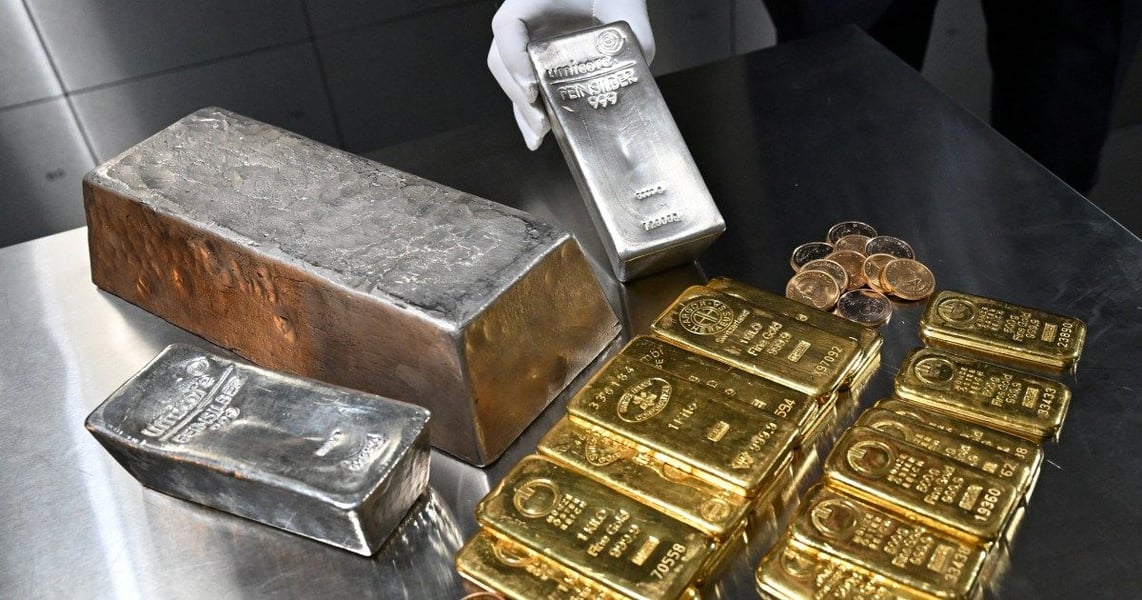
A person purchasing a silver bar owns physical metal.
A futures trader is dealing with an exchange-traded contract whose value is linked to silver and which has specific contract terms, expiry dates and settlement arrangements.
This difference makes MCX silver particularly relevant to traders, hedgers and sophisticated market participants.
The exchange’s contract specifications are also important. Silver futures are standardized rather than individually negotiated retail purchases.
Silver MCX Live
People searching for silver MCX live generally want the latest available futures quotation, usually including the current price, change, percentage movement and contract information.
But “live” should be treated carefully.
A webpage can display:
- Real-time data
- Near-real-time data
- Delayed data
- The latest available quote
- Previous-session data
These are not equivalent.
A proper live-price report should clearly identify the timestamp and data status.
For example, Upstox reported MCX silver futures at approximately ₹2,45,426 per kg on August 26, while Goodreturns reported silver around ₹2.45 lakh per kg and noted an intraday high near ₹2,46,180.
Such numbers can change after publication.
Why MCX silver fluctuates during the day
Silver futures can react almost immediately to new market information.
US economic data, Federal Reserve expectations, currency movements or geopolitical developments can alter the outlook for precious metals.
On August 26, international precious metals were responding to US inflation data and changing expectations around Federal Reserve policy. Reuters reported that stronger-than-expected elements in the latest US inflation data contributed to pressure on precious metals and strengthened the dollar.
For a trader, therefore, knowing the contract month is just as important as knowing the quoted silver price.
What Factors Affect the Silver Rate?
Silver is unusual because it combines characteristics of a precious metal and an industrial commodity.
Gold is overwhelmingly associated with investment and monetary demand, while silver has a major industrial role in addition to jewellery and investment demand.
This creates a complicated pricing structure.
1. US dollar
Because international silver prices are generally quoted in US dollars, currency movements can significantly affect the metal.
A stronger dollar can place pressure on dollar-denominated commodities because silver becomes more expensive for buyers using other currencies.
A weaker dollar can provide support.
For Indian consumers, the rupee-dollar exchange rate adds another layer to the calculation.
2. Interest rates
Interest-rate expectations influence precious metals because higher yields can make interest-bearing assets more attractive relative to assets that do not generate income.
When markets expect monetary easing, precious metals can receive support.
However, the relationship is not mechanical. Other forces can dominate at particular times.
3. Industrial demand
Industrial demand is one of silver’s most important structural characteristics.
Silver is used in electrical and electronic applications, industrial equipment, solar technology and other products.
The Silver Institute’s 2026 World Silver Survey reported that industrial silver demand declined 3% in 2025 to 657.4 million ounces, with photovoltaic demand affected by efforts to reduce silver use per solar cell and substitution.
That illustrates an important point: rising demand for solar installations does not automatically translate into proportionally higher silver demand because manufacturers can reduce the amount of silver used in individual applications.
4. Solar-panel demand
Solar energy remains an important theme in the silver market.
Silver’s electrical conductivity makes it valuable in photovoltaic applications. At the same time, manufacturers are researching ways to use less silver or substitute other materials.
The result is a contest between expanding solar deployment and declining silver intensity per unit of capacity.
5. Electronics demand
Silver’s conductivity also makes it useful in electronics and electrical applications.
Growth in areas such as advanced electronics, vehicles, grid infrastructure and data-related technology can influence industrial demand.
But industrial consumption depends on the broader economic cycle.
6. Mining supply
Silver supply comes from both primary silver mines and mines where silver is produced as a byproduct of other metals.
This creates an important structural distinction from some commodities.
A mine producing primarily copper, lead or zinc can contribute silver supply even when silver prices themselves are not the main driver of the operation.
7. Recycling
Higher silver prices can encourage recycling of scrap and old products.
Increased recycling can add supply to the market and potentially moderate some price pressure.
The scale and timing of recycling responses vary.
8. Geopolitical developments
Geopolitical risk can influence precious metals through several channels.
Investors may seek perceived safe-haven assets during periods of uncertainty, while disruptions to trade, energy markets or supply chains can affect broader commodity expectations.
The effect on silver can be complicated because silver also has industrial demand.
9. Investor demand
Exchange-traded products, physical bars and coins, futures positions and other investment channels can influence market sentiment.
Investment demand can sometimes move faster than industrial consumption.
10. Gold-silver relationship
Silver frequently responds to gold.
The gold-silver ratio is often used by market participants as a comparative indicator showing how many ounces of silver are required to equal the price of one ounce of gold.
It is not a guarantee of future silver performance, but it can provide useful context.
Will Silver Price Increase?
The question will silver price increase has no certain answer.
Silver can rise substantially when bullish forces such as stronger investment demand, favourable monetary expectations, supply constraints or industrial growth outweigh bearish pressures.
But prices can also fall.
The Silver Institute’s 2026 outlook provides a useful example of why the market cannot be reduced to a single bullish or bearish narrative. It expects the global silver market to remain in deficit for a sixth consecutive year, while also forecasting a 2% decline in industrial fabrication to around 650 million ounces, partly because of developments in photovoltaic demand.
That means investors must distinguish between market fundamentals and price forecasts.
A structural supply deficit may be supportive, but it does not guarantee that prices will rise every day, every month or every year.
Likewise, a temporary decline in industrial demand does not necessarily mean a long-term collapse in silver prices.
Bullish factors for silver
Potentially supportive factors include:
- Strong investment demand
- Persistent market deficits
- Increased industrial consumption
- Expansion of electrical infrastructure
- Strong solar deployment
- Lower interest-rate expectations
- A weaker US dollar
- Rising geopolitical uncertainty
- Limited mine-supply growth
Bearish factors for silver
Potential downside pressures include:
- Higher interest rates
- A stronger US dollar
- Weak industrial activity
- Falling investment demand
- Increased recycling
- Substitution away from silver
- Reduced silver intensity in solar technology
- Broad commodity-market weakness
The most responsible answer to “will silver price increase?” is therefore that silver has meaningful long-term demand drivers but also substantial cyclical and financial risks.
Silver as an Investment
Silver can provide exposure to precious metals through several routes.
Physical silver
Physical silver includes:
- Bars
- Coins
- Bullion products
- Jewellery
The main advantage is direct ownership of the metal.
The disadvantages include storage, security, insurance, dealer spreads and potential resale differences.
Silver bars
Bars can be attractive to investors seeking relatively straightforward exposure to silver.
The premium over the underlying metal value can depend on size, manufacturer, purity and market conditions.
Silver coins
Coins can combine investment value with collectability or gifting purposes.
Buyers should distinguish bullion coins from collectible or numismatic products because their pricing structures can be very different.
Silver jewellery
Jewellery can provide silver exposure, but it should generally not be treated as identical to bullion investment.
Making charges, design premiums and resale deductions can affect the economics.
Silver ETFs
Silver exchange-traded funds can offer market exposure without requiring investors to store physical silver themselves.
Investors should review the structure, fees, tracking methodology and risks of any specific product before investing.
Silver futures and MCX
MCX futures provide leveraged exposure to silver prices and can be used for hedging or trading.
However, leverage can magnify losses as well as gains.
For this reason, futures are substantially different from simply buying a silver coin or bar.
Investors should consider liquidity, margin requirements, contract expiry and risk management before participating in futures markets.
How Silver Rates Are Calculated
A simplified framework for understanding India’s silver price begins with the international market.
The global silver price is converted into the domestic currency, after which applicable import-related costs, taxes and other market factors influence the domestic benchmark.
Retail prices can then incorporate:
- Dealer margin
- Local demand
- Transportation
- Product form
- Purity
- Taxes
- Manufacturing costs
- Making charges
This is why a consumer should not expect a direct multiplication of an international silver quotation by an exchange rate to produce the exact price at a local jewellery shop.
Why two silver dealers can quote different prices
Different dealers can have different procurement costs, margins and operating structures.
They can also sell different products.
A 999-purity investment bar and a decorative silver ornament are not economically identical even if they contain the same nominal weight of silver.
Before purchasing, consumers should compare the final payable amount rather than just the headline rate.
How to Clean Silver Jewelry
Learning how to clean silver jewelry safely is important because silver naturally develops tarnish through chemical reactions with substances in its environment.
For ordinary lightly tarnished jewellery, a cautious approach is usually best.
Mild soap and water
For many silver pieces, a small amount of mild soap mixed with lukewarm water can be used.
Gently clean the surface with a soft cloth or a very soft brush, then rinse carefully and dry thoroughly.
Silver polishing cloth
A dedicated silver polishing cloth can help remove surface tarnish without the aggressive abrasion associated with some household cleaning materials.
Use gentle pressure rather than aggressively scrubbing the jewellery.
What to avoid
Avoid harsh or abrasive cleaners unless the manufacturer specifically recommends them.
Extra caution is necessary for jewellery containing:
- Gemstones
- Pearls
- Delicate finishes
- Oxidized detailing
- Plated surfaces
- Glued components
Certain stones and decorative treatments can be damaged by inappropriate cleaning methods.
Professional cleaning
If the item is valuable, antique, heavily tarnished or structurally delicate, professional cleaning may be safer.
A jeweller can identify the material and finish before selecting an appropriate cleaning method.
Why Silver Rates Differ Across Indian Cities
A common question from consumers is why the silver rate in one city differs from another.
The answer is that domestic precious-metal pricing is not necessarily a single nationwide retail number.
Differences can arise from:
- Local dealer margins
- Transportation costs
- Regional demand
- Inventory conditions
- Purity
- Product type
- Taxes and applicable charges
- Timing of the quotation
- Differences between benchmark and retail prices
This is especially important when comparing Hyderabad with Delhi, Mumbai, Chennai or other major markets.
An online city-rate page may provide a useful reference, but a buyer should verify the actual final selling price with the dealer.
How to Check the Silver Rate Today
Anyone looking for the current silver rate should follow a consistent process.
Step 1: Identify the market
Determine whether you need:
- Retail silver
- International spot silver
- MCX futures
- A city-specific quotation
Step 2: Check the timestamp
A silver price without a timestamp can quickly become misleading.
Step 3: Check the unit
Confirm whether the figure is quoted per:
- Gram
- 10 grams
- 100 grams
- Kilogram
- Troy ounce
Step 4: Check purity
Make sure the quoted rate applies to the purity of silver you intend to purchase.
Step 5: Check additional charges
For physical purchases, determine whether GST, making charges or other costs are included.
Step 6: Compare sources
For a significant transaction, compare multiple reputable sources and then confirm the final price directly with the dealer.
Silver Rate Outlook
The outlook for silver depends on a combination of monetary policy, industrial demand, investment flows and supply.
The current environment contains arguments on both sides.
The Silver Institute expects another annual market deficit in 2026, which could provide structural support. At the same time, its research highlights falling silver intensity in photovoltaic applications and a projected decline in industrial fabrication.
That combination makes silver particularly sensitive to changes in expectations.
A stronger global economy could increase industrial consumption but potentially reduce the appeal of defensive precious metals.
A weaker economy could hurt industrial demand while increasing expectations of monetary easing and safe-haven buying.
For that reason, silver can behave differently from gold even though both belong to the precious-metals market.
Silver Rate FAQs
What is the silver rate today?
The silver rate changes throughout the market and can differ between retail, spot and futures prices. On August 26, 2026, published Indian sources were quoting silver around the ₹2.45 lakh-per-kg range in several market references, but consumers should check the latest timestamp and the specific market before buying.
What is the difference between silver rate and silver price?
The terms are frequently used interchangeably. However, silver rate often refers to a specific domestic or retail quotation, while silver price can refer more broadly to international spot prices, futures, retail silver or other market benchmarks.
What is the silver rate today in Hyderabad?
Published Hyderabad rates vary by source and timing. On August 26, 2026, LiveMint reported ₹2,45,829.68 per kg, while Goodreturns listed ₹2,65,000 per kg. These differences show why buyers should verify the quotation, timestamp, purity and whether taxes or other charges are included.
What is silver MCX?
Silver MCX refers to silver futures traded on India’s Multi Commodity Exchange. These contracts allow market participants to trade standardized silver futures rather than simply buying physical silver from a retailer.
What does silver MCX live mean?
It generally refers to the latest available MCX silver futures quotation. Users should verify whether the displayed figure is genuinely real-time, delayed or simply the latest published price.
Will silver price increase?
Silver could rise if investment demand, industrial consumption, supply constraints and favourable monetary conditions outweigh negative factors. But prices can also decline. No forecast should be treated as a guarantee.
How can I check the silver rate today?
Check a reliable market-data source, identify whether you need retail, spot or MCX data, verify the timestamp and unit, confirm purity, and check whether taxes or other charges are included.
Why does the silver rate change every day?
Silver responds to international prices, currency movements, interest rates, economic data, industrial demand, investor positioning, geopolitical developments and supply conditions.
Why is silver cheaper or more expensive in different cities?
Local demand, dealer margins, transportation costs, purity, inventory, taxes and differences in market timing can cause retail prices to vary between cities.
How to clean silver jewelry?
For lightly tarnished pieces, gentle cleaning with mild soap and lukewarm water followed by careful drying can be appropriate. A dedicated silver polishing cloth can also help. Delicate, antique or gemstone-containing jewellery may require professional cleaning.
Is silver a good investment?
Silver can provide diversification and exposure to both precious-metal and industrial-demand themes, but it is volatile and does not guarantee returns. Physical silver also involves storage and transaction considerations, while futures introduce leverage risk.
What factors influence silver prices?
The major factors include international silver prices, the US dollar, interest rates, industrial consumption, solar demand, electronics demand, mining supply, recycling, investor demand, geopolitical conditions and the relationship between gold and silver.
Should I buy silver based only on today’s rate?
A single day’s price is rarely enough to make a sound investment decision. Buyers should consider their objective, investment horizon, product costs, volatility and the difference between the quoted market price and the actual price they will pay.
Why can MCX silver differ from physical silver?
MCX represents a standardized futures contract, while physical silver involves a specific product, purity, dealer and transaction. Taxes, premiums, margins and local market conditions can therefore create differences.
Is silver more volatile than gold?
Silver can experience larger percentage price swings because it has a smaller market and significant industrial exposure. Its price can therefore react strongly to both investment sentiment and changes in industrial expectations.
Does a silver market deficit guarantee higher prices?
No. A supply deficit can be supportive, but prices are determined by many variables, including investor demand, monetary policy, currencies, industrial consumption and market positioning.
Why is silver important for solar panels?
Silver has strong electrical conductivity and is used in photovoltaic technology. However, manufacturers continue to work on reducing silver use per cell, meaning growth in solar installations does not necessarily translate into equal growth in silver consumption.
What should I check before buying physical silver?
Check purity, weight, current market reference, final price, taxes, dealer premium, invoice details and resale conditions. For larger purchases, comparing reputable dealers can help identify differences in total cost.