
TEHRAN — The word Iran’s foreign minister chose was not yes. It was not impossible, which is a different and much smaller thing.
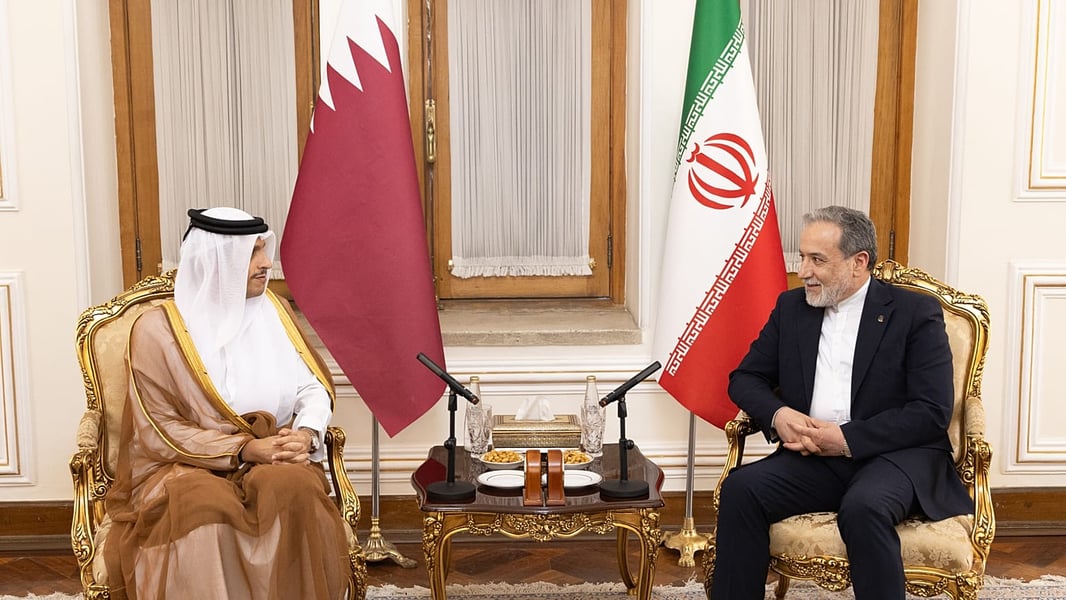
Abbas Araghchi wrote on X on Friday that putting diplomacy back on track isn’t impossible, and then set out what it depends on. “It hinges on U.S. understanding of one simple fact: pressure doesn’t work,” he wrote. “The U.S. should build trust, speak respectfully, acknowledge our rights, and uphold commitments.” The post went up a day after Qatar’s prime minister flew to Tehran for the first high-level Qatari visit since the war began on February 28.
Three of those four conditions are about atmosphere. Trust, respectful language and acknowledgement of rights can be delivered by a change of tone, and tone is the cheapest thing a government has to give. The fourth is not like the others. Upholding commitments is a reference to 2018, when Washington left the nuclear agreement Iran was then complying with, and it is the condition on which every subsequent round of talks has foundered. Tehran has never accepted an arrangement that can be abandoned by the next administration, and no American negotiator has been able to offer one that cannot.
So the overture is real and it is also narrow. It commits Iran to nothing, names no venue, no channel and no interlocutor, and sets a test that Washington has failed for eight years across three presidencies.
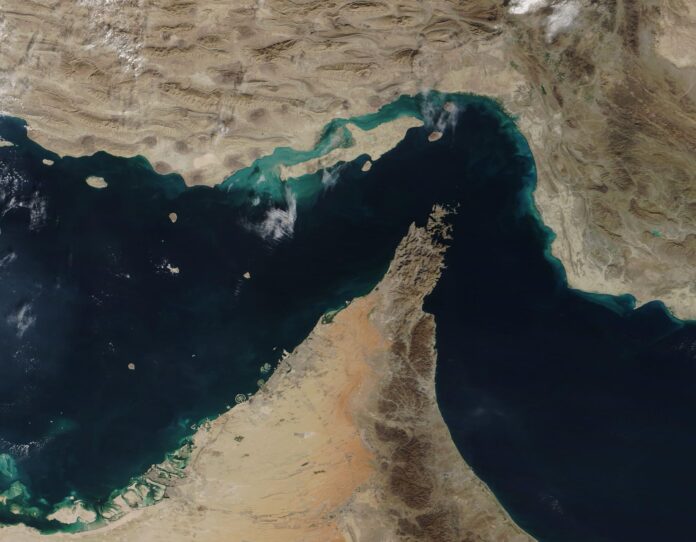
What gives it weight is what Sheikh Mohammed bin Abdulrahman Al Thani, who holds both the premiership and the foreign ministry in Doha, was in Tehran to discuss. Euronews reported that the talks covered a phased plan for the Strait of Hormuz, including a temporary shipping corridor and a joint project to clear the waterway of mines. That is not atmosphere. Mine clearance requires people from both sides in the same water at the same time, working to a schedule, and it cannot be done by governments that will not speak to each other.
So the diplomacy is further along than the X post suggests, and it is running through Doha rather than through anything bilateral. Al Jazeera counted Qatari, Omani and Pakistani officials all moving between capitals this week, which is the densest week of mediation since the fighting started.
The situation it arrives into is not a stalemate but an active campaign. American forces have been running a naval blockade of Iranian ports for months, and its effectiveness rests on compliance rather than force: more than seventy commercial vessels have been turned back while only three were disabled, because merchant masters do not test it. That is a slow instrument. It is also one Iran cannot answer symmetrically.
The economic track has meanwhile become the main one. The Treasury has moved to secondary sanctions as its principal tool against Tehran, with officials indicating the approach is expected to hold at least until after the midterm elections. That timeline matters more than any statement either foreign ministry issues. It means the American position is currently set by a domestic calendar, and a calendar is not something a diplomatic overture can move.
Araghchi’s line about pressure is therefore aimed at a specific claim rather than at Americans in general. The administration’s theory is that sufficient economic and naval pressure produces Iranian concessions. Iran’s counter-theory is that it produces Iranian entrenchment. Both sides have been running the experiment simultaneously for months, and the result so far is that the blockade holds, the sanctions bite, and Tehran has conceded nothing while continuing to talk about what it would take to talk.
The one place the theories are being tested against something measurable is the strait itself. Iran has tied a full reopening to the ending of the region’s wars, a linkage Tehran restated this week alongside a warning that escalating sanctions carry a price, and a partial corridor has already been agreed with Oman without American involvement. Iran is dismantling the blockade’s rationale piece by piece, through third parties, while declining to negotiate with the party enforcing it.
The strain is not one-sided. The campaign has been expensive enough that the US Navy has been drawing on its payroll accounts to fund operations, with a 67 billion dollar emergency request sitting unactioned in Congress and the fiscal year ending on September 30. Pressure has a running cost, and the party applying it is the one currently short of money.
What nobody has said is whether the Hormuz track and the nuclear question are connected. Araghchi named no channel for the second and no timetable for the first. Washington has not publicly responded to the post. Qatar has not said whether it carried an American message to Tehran or simply its own proposal, and that distinction is the difference between mediation and shuttle diplomacy.
The most that can be said is that Iran’s foreign minister chose this week to say the door is not locked, in public, in English, on a platform read in Washington, in the same week three governments were flying officials in and out of Tehran. Governments that intend to keep escalating do not usually bother.
Whether that is an opening or a positioning exercise before the next round of sanctions will not be clear from anything either side says. It will be clear from whether the mine-clearing project acquires a start date.