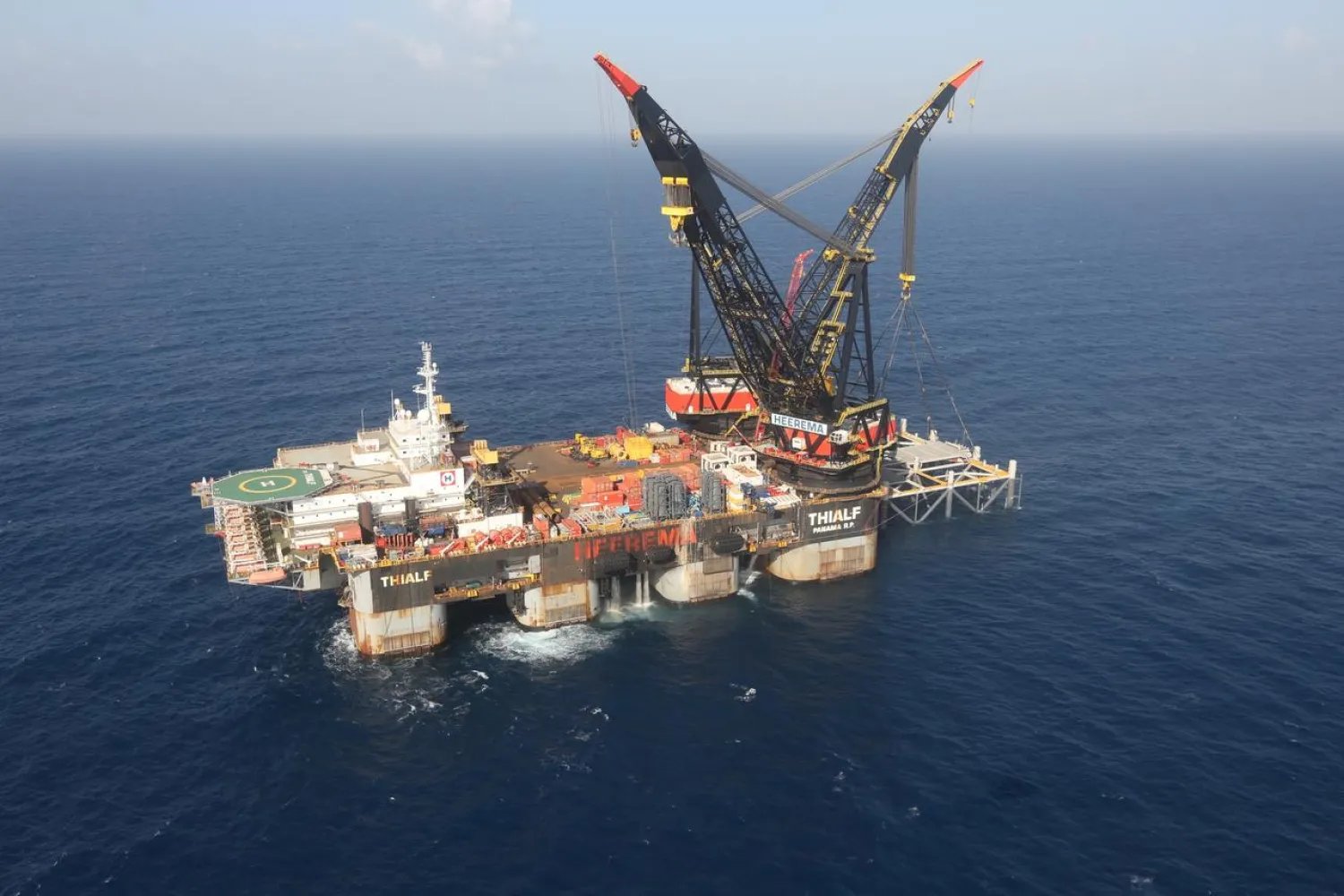

TEL AVIV, Israel — The Israeli government has directed Chevron to halt operations at the Leviathan offshore gas field, a critical energy asset, citing urgent security concerns amid the ongoing conflict following recent military operations in the region.
The decision, confirmed by security sources and energy partners, comes in the wake of coordinated military strikes involving US and Israeli forces against targets in Iran, which have triggered retaliatory attacks across the Middle East. These hostilities have disrupted critical energy infrastructure and heightened concerns about wider regional instability. For related coverage on the regional military escalation.
Government Directive Amid Conflict
According to industry reporting, the Israeli Energy Ministry has issued a government order instructing Chevron to temporarily suspend production at Leviathan on security grounds, rather than as a commercial decision. The ministry has emphasized that the measure is a precautionary step as hostilities escalate, with energy officials assuring that Israel’s energy needs will be met through alternative sources while the situation remains volatile.
Chevron has acknowledged receiving the directive and, in response, has declared force majeure at the Leviathan field. The force majeure declaration frees the company from contractual delivery obligations given that the shutdown was beyond its control.
Leviathan’s Role in Regional Energy Security
The Leviathan field, one of the largest natural gas resources in the Eastern Mediterranean, supplies energy not only to Israel but also to export markets such as Egypt and Jordan. With recoverable reserves among the highest in the region, Leviathan has been central to regional energy planning and long-term export contracts. According to industry data, before the suspension, Leviathan, along with the nearby Tamar field, played a vital role in stabilizing regional gas supplies.
This shutdown echoes earlier disruptions reported in 2025 that interrupted gas flows to Egypt and forced energy buyers to seek alternative supplies. During that period, Israel’s gas fields were temporarily taken offline amid military tensions, affecting export volumes and highlighting the vulnerability of energy corridors in conflict zones. For broader context on regional humanitarian and conflict impacts, see Gaza Genocide: Israel’s Rafah Closure Tightens the Noose.
Regional and Global Market Reactions
Market reactions have been swift. Energy analysts warn that the suspension of Leviathan’s output could compel suppliers like Egypt to increase liquefied natural gas (LNG) imports to fill any shortfall, potentially at higher global prices. Oil and gas price benchmarks have reflected heightened risk premiums as traders respond to the news of widespread energy infrastructure disruptions.
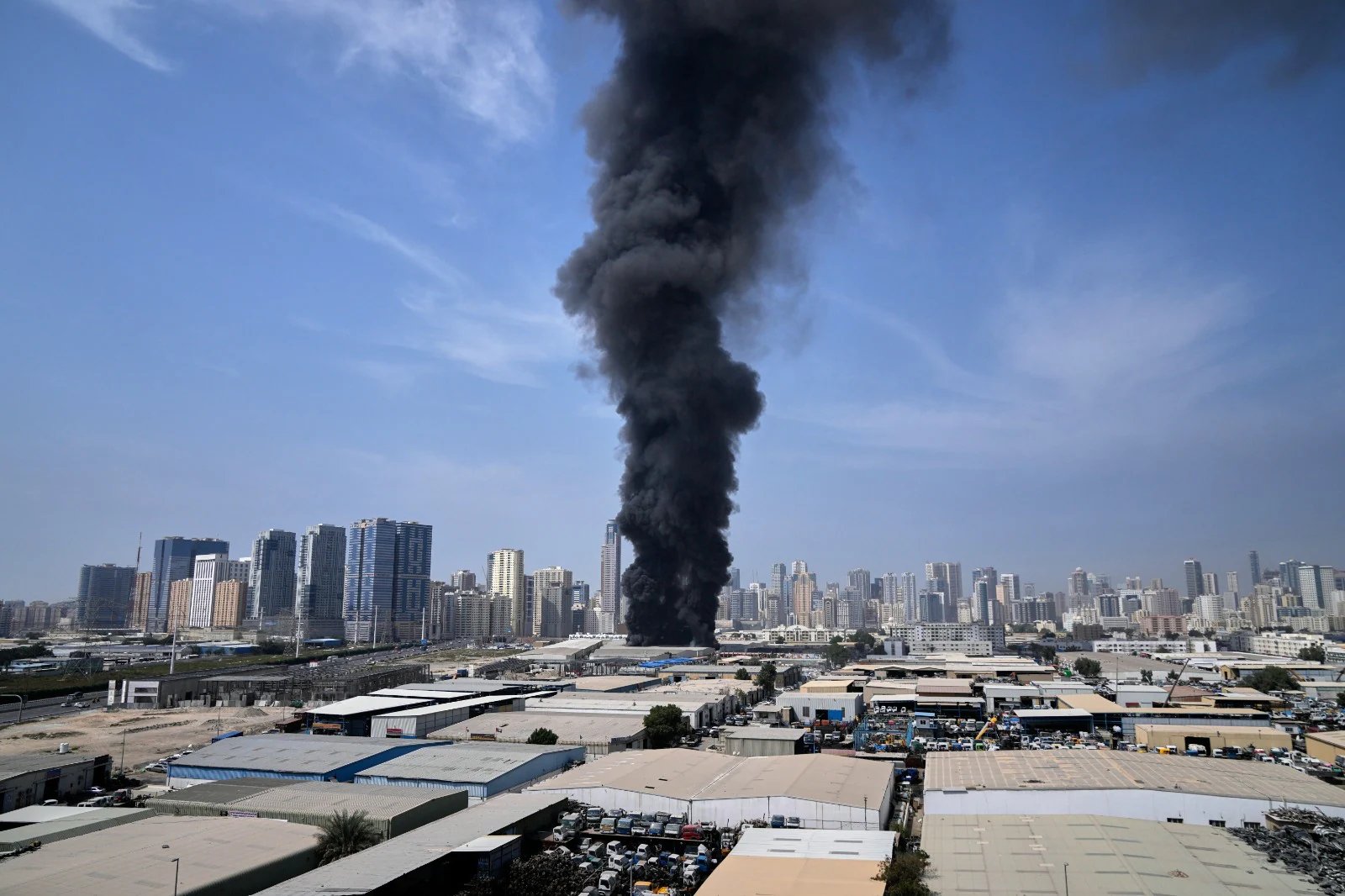
In addition to Leviathan, reports indicate that other major energy facilities in the region, from LNG terminals in Qatar to Saudi Aramco’s Ras Tanura refinery, have faced precautionary shutdowns or damage amid the broader conflict. These developments underline how intertwined military escalation and energy market stability have become.
Longer-Term Strategic Implications
The temporary halt of operations at Leviathan also raises questions about long-term investor confidence in Eastern Mediterranean energy projects, as well as the reliability of export commitments tied to infrastructure located in conflict-prone areas. Analysts suggest that if such disruptions become more frequent, regional buyers may accelerate diversification of supply sources, which could reshape competing energy corridors in the years ahead.
For readers tracking evolving conflict dynamics and how they affect global energy and security landscapes, explore more coverage in our Conflicts, Military and War section.
The Israeli government’s order to suspend production at the Leviathan gas field marks a critical intersection of geopolitical conflict and energy strategy. With tensions escalating and energy markets responding, the full implications for regional stability, export contracts, and global supply chains remain uncertain. As events continue to unfold, the balance between security imperatives and commercial energy interests will be central to how governments and companies navigate the next phase of this crisis.