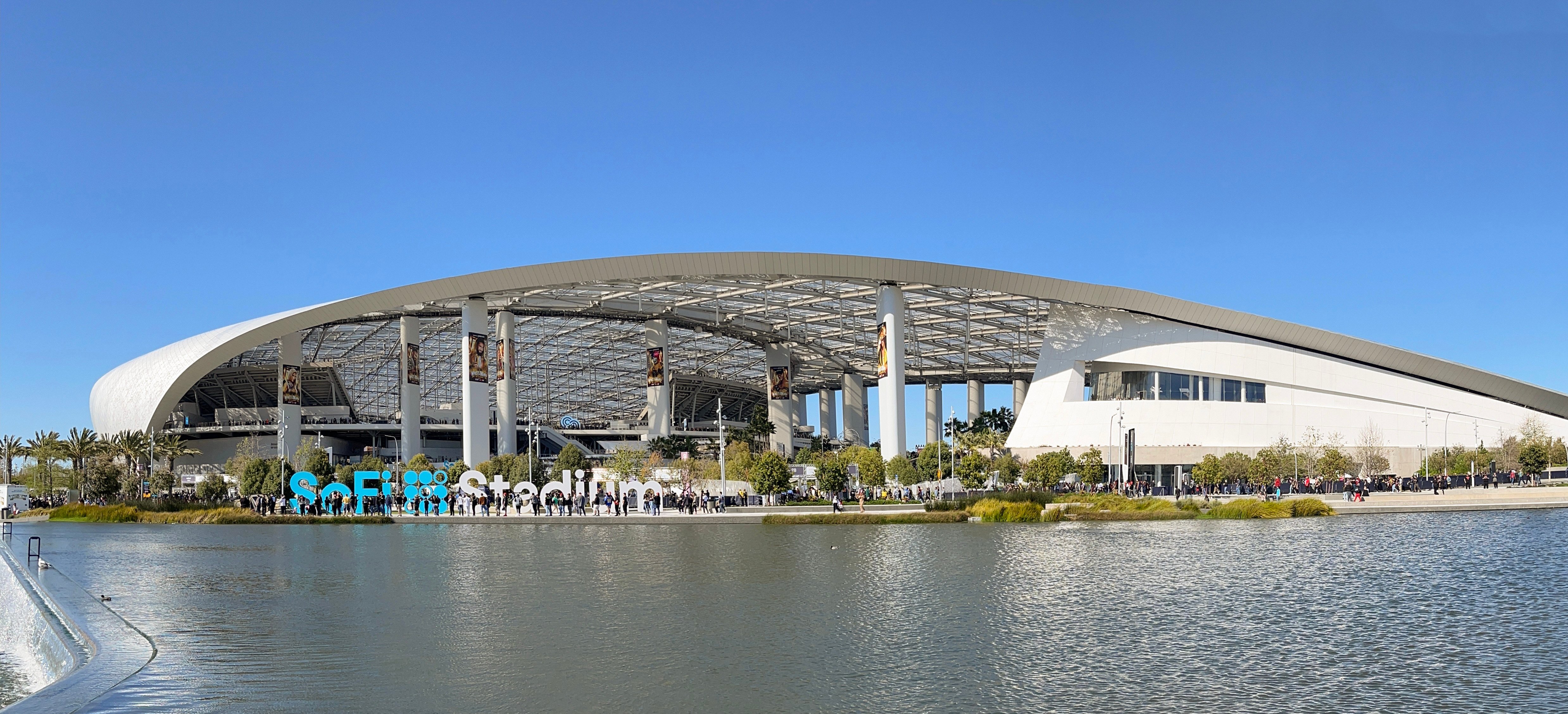

INGLEWOOD, Calif. — In the 64th minute, with Iran trailing again and the World Cup it had fought for months just to reach threatening to begin with a defeat, Mohammad Mohebbi did the thing his team had done all night. He refused to accept the scoreline. His finish leveled the match at 2-2 against New Zealand, rescued a point, and turned what could have been a miserable opener into a statement about a side that does not break easily.
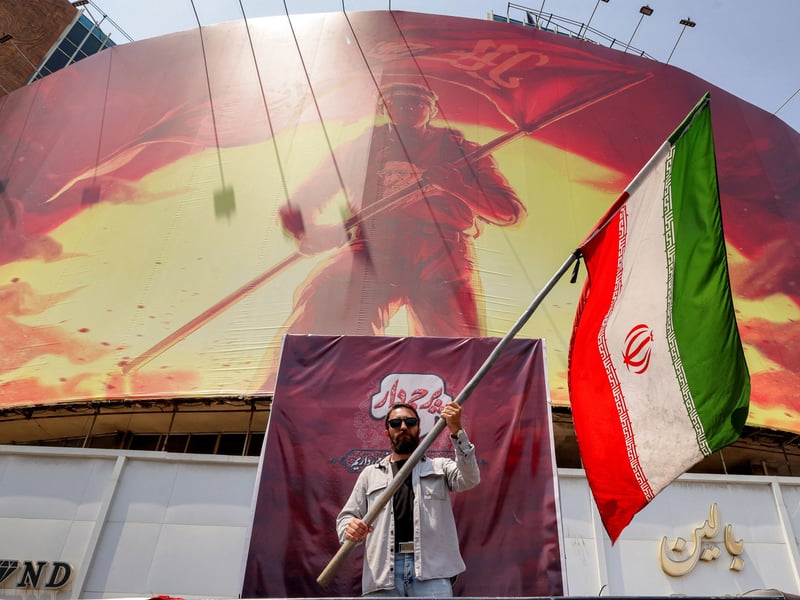
That Iran was on the field at all was its own kind of victory. The team reached the United States only after a visa fight that left an IRGC carve-out hanging over the squad, and its supporters arrived to find that the United States had revoked thousands of their match tickets days before kickoff. The players walked into a stadium in a country that had spent months signaling it did not want them, and they walked out with a point, having come from behind not once but twice.
Twice New Zealand struck and twice Iran answered, and the rhythm of that exchange was the match. Elijah Just put the All Whites ahead inside seven minutes and again just before the hour, the kind of double that usually buries a team playing far from home. Iran did not stay buried. Ramin Rezaeian leveled it the first time in the 32nd minute, and Mohebbi did it again in the 64th, each Iranian goal arriving as an answer rather than an opening, the response of a team that kept getting knocked down and kept refusing to stay there.
For New Zealand it will feel like two points dropped. The All Whites had the game in their hands twice and could not hold it, and Just, who scored both, will wonder how a night that should have been his ended even. A team that rarely gets to dictate a World Cup match dictated this one for long stretches and still came away with a single point, because the opponent simply would not concede the result.
The crowd was its own subplot. Los Angeles is home to one of the largest Iranian communities anywhere outside Iran, and even with thousands of tickets pulled, the stands carried unmistakable pockets of support, a reminder that for all the official hostility the team was not playing in front of strangers. Every Iranian goal landed into a roar that did not sound like a road game.
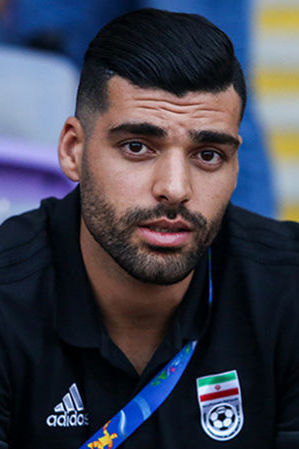
Iran has built a generation of players who treat tournaments like this as the stage they were made for, and the squad that anchors its attack, with Mehdi Taremi at its center, carries the kind of European pedigree that should have made it the favorite here. It did not play like a favorite for long stretches. It played like a team carrying weight, which it was. But the character that has defined Iranian sides at past World Cups, the refusal to be embarrassed, was there when it was needed.
The point leaves Iran and New Zealand level on one each in Group G, according to ESPN, a result that helps neither as much as a win would have and hurts neither the way a loss would. For Iran the math is simple enough. The opener was the trap game, the one where the politics and the travel and the hostility could have curdled into a bad night, and it avoided that. What it did not do was take control of its group, which means the pressure it hoped to ease only shifted to the next match.
There is a version of this tournament where Iran’s presence was always going to be about more than football, and the team did not get to choose that. It was made to fight for visas, watch its fans turned away, and play its first match as a guest that much of its host had tried to uninvite. On Monday night it answered the only way a team can, by getting back up twice and leaving with something. The point may not survive the group stage. The image of a side that would not be put away probably will.
Related Posts