
AHMEDABAD — Nobody scripted Travis Head for this. Not the 94,000 people inside Narendra Modi Stadium, not the Indian batting lineup that had spent the tournament preparing for almost anything, not the trajectory of a World Cup final that India’s group-stage dominance had turned into something resembling a formality. Head walked in at 47 for 3. He walked off 137 balls later with 137 runs, six sixes, and a sixth ODI World Cup title for Australia.
The number is clean. The match was not.
India batted first and made 240 for 9, a total that had won matches in this tournament and that should have been enough against a side whose top order had been inconsistent through their path to the final. Pat Cummins gave them 2 for 34, workmanlike rather than threatening. Mitchell Starc contributed two wickets. The innings was held together by KL Rahul’s 66 — one of the more composed performances of his career in a format that does not always reward his particular brand of patience — and Kohli’s 54, which was careful, well-managed, and insufficient against what was about to happen.
The chase began badly for Australia. David Warner made 7. Mitchell Marsh went for 15. Steven Smith made 4. Twelve overs in, Australia were 47 for 3 and India were playing the match the crowd had come to watch.
Then Head arrived.
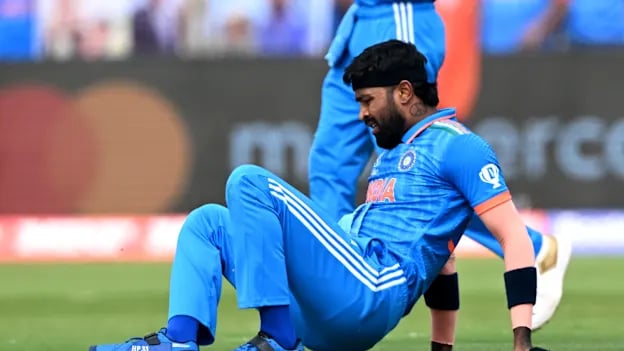
His innings was not what happened next so much as what made everything before it irrelevant. He hit Mohammed Shami over cover in the first over he faced. He pulled Bumrah square of the wicket with a timing that made Bumrah’s extraordinary World Cup economy rate look like a description of a different tournament. He and Marnus Labuschagne — 58 not out, calm and angular at the other end — built a partnership of 192 runs that by its 28th over had made 240 feel inadequate and Australia’s collapse at the top of the order look like a different game played by different people.
India and Australia met again in the 2025 Champions Trophy, where India avenged this final emphatically. But in Ahmedabad in November 2023, Australia were not the side India had prepared their plans around. Head was not the player who featured in those plans. Both facts contributed to what unfolded across 120 balls.
Labuschagne was dismissed for 58. By then Head had already passed his century. When Head was finally caught at deep square leg for 137, Australia needed only 3 runs to win, which Glenn Maxwell provided without ceremony. Australia won by 6 wickets with 43 balls to spare.
For India, the final was the culmination of a World Cup campaign in which they had won every match, beaten every side, and arrived as the heaviest favourites an Indian team had been in tournament history. The loss was not a malfunction of that campaign. It was what the final offered as its ending — a single innings from a cricketer who had spent the tournament quietly building form that peaked in the largest match of the year.
Kohli won the player of the tournament award despite India’s defeat. His aggregate runs across the group stage and knockout rounds were historic. His century-scoring record, already without precedent by the tournament’s end, would continue to extend in the years that followed. None of it produced a trophy in Ahmedabad.
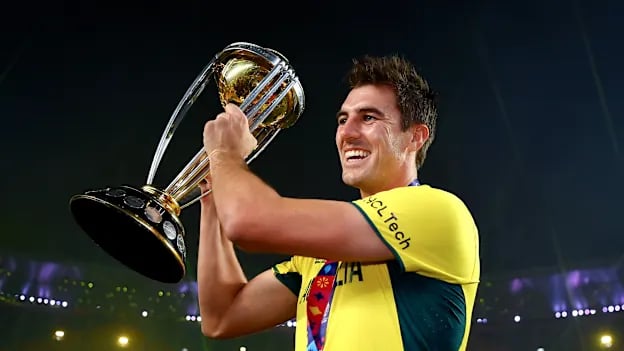
Australia’s sixth ODI World Cup title — one more than any other nation — sits in the record books next to Head’s 137. Cummins, in his first World Cup as captain, managed his attack carefully through nine matches and let the innings do the work in the final. He held Head back to number four, got him in when India’s opening attack had burned through its first four overs, and watched a batter find the exact form the moment required without any evidence during the tournament that the moment was coming.
The 94,000-capacity crowd assembled to watch India claim the title they had appeared set to win since March returned home carrying a different story. Cricket does not do certainties. It does Travis Head.