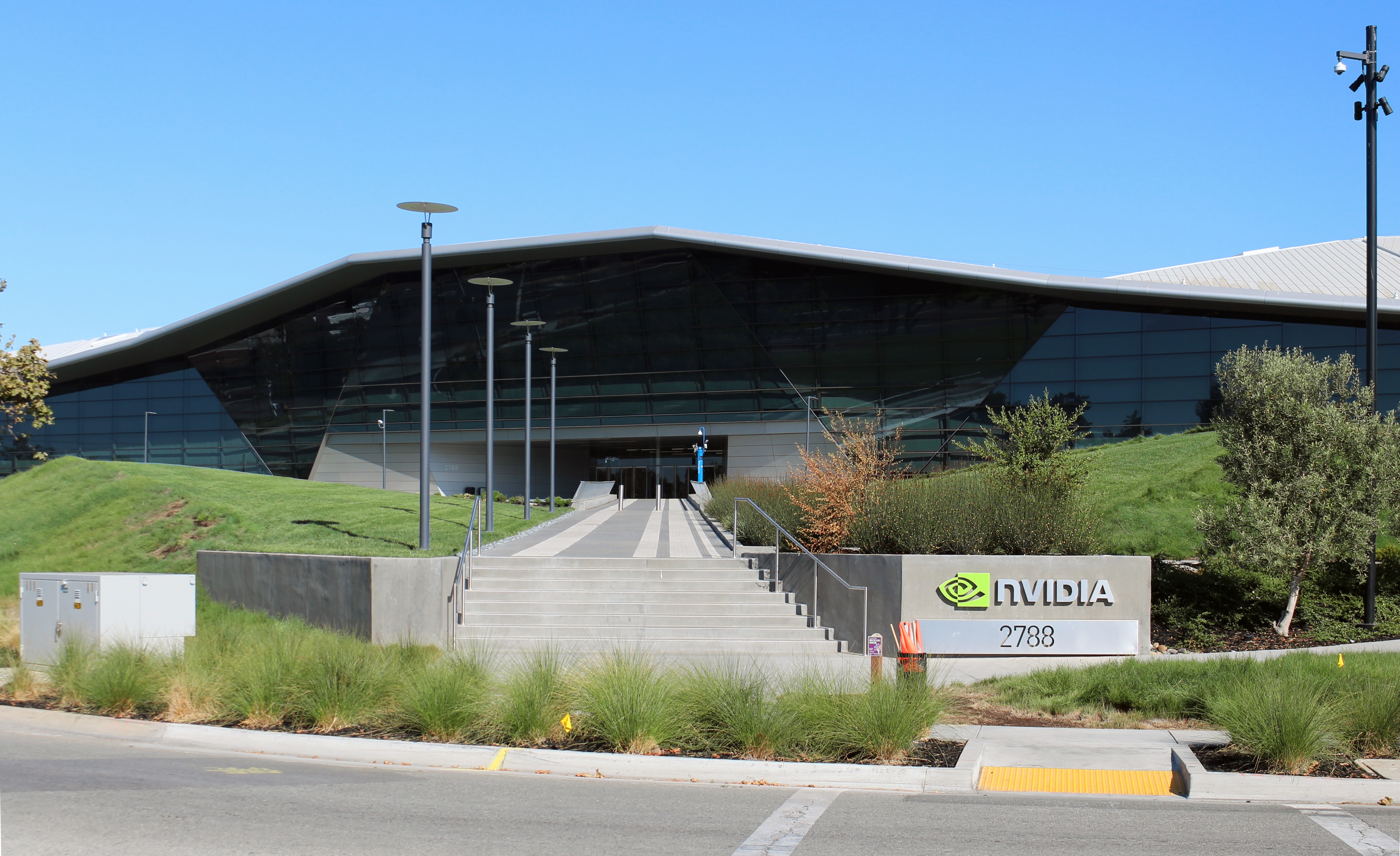

SANTA CLARA, Calif. — Nvidia Corp. (NVDA) is the company everyone else is borrowing money to buy from. This week it decided to borrow too. The chipmaker at the center of the artificial-intelligence boom sold $25 billion of bonds, its first investment-grade debt offering in five years, and the demand that met it said as much about the mania around AI as anything the company has shipped.
Investors put in orders worth roughly $85 billion, more than three times what was on offer, letting Nvidia upsize the deal from an initial $20 billion and stretch some of the notes out to 2056, Bloomberg reported. A company that prints cash, selling thirty-year paper into a stampede. The seven-part sale lands in the middle of a borrowing wave that has Big Tech raising tens of billions at a clip to pay for data centers, and it puts the industry’s most profitable name on the same side of the ledger as its customers.
The obvious question is why Nvidia needs the money at all. This is the most cash-rich beneficiary of the entire AI build, a company whose revenue and margins have swollen to sizes that make borrowing look unnecessary, as its own most recent quarterly filing lays out. Companies in that position borrow anyway for reasons that have little to do with running short of cash. Debt is cheap relative to the returns Nvidia can earn, the interest is tax-deductible in a way dividends and buybacks are not, and keeping a war chest free lets the company keep writing checks into the ecosystem it depends on.
That last part is where the deal gets interesting. Nvidia has spent the past year investing in the very customers that buy its chips, taking stakes and committing capital to the cloud providers and AI labs whose orders fill its backlog. Borrowing to keep that machine fed turns a simple bond sale into something closer to vendor financing at national scale, the chip seller helping bankroll the demand for its own chips. None of that is hidden, but a $25 billion raise makes the scale of it harder to look away from.
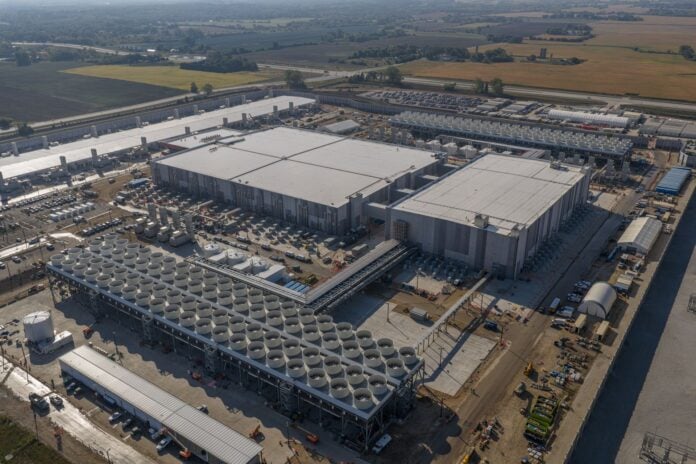
Nvidia is not alone, and that is the point. The hyperscalers have been raising money at a pace not seen in years, with Amazon borrowing more than $27 billion in a single week to fund its own build, and the debt has started piling up further down the supply chain too, where private-credit giants assembled $35 billion to finance chips for Anthropic. Combined AI spending across the largest technology companies is on track to pass $700 billion this year, up from roughly $400 billion in 2025. The bond market has become the place that wager gets funded.

For the buyers, the logic is straightforward. Investment-grade paper from the company underwriting the AI era is about as close to a sure thing as the bond market offers right now, which is why the order book swelled to $85 billion. Nvidia gets to lock in funding cheaply while its credit is pristine, before any slowdown can sour the terms. The size of the demand is its own signal, a measure of how badly fixed-income investors want exposure to the AI trade without buying the stock and its swings.
There is a less comfortable reading. Borrowing waves at the top of a boom have a history of looking brilliant until the assets they funded stop earning. The AI buildout is being financed on the assumption that demand for computing keeps climbing more or less without pause, an assumption that has held so far and that an enormous amount of debt now rests on. If the spending that has lifted Nvidia ever flattens, the bonds maturing decades from now will still be there, and so will the data centers they paid for, earning whatever the market by then will bear.
The timing is not accidental. Borrowing costs eased this week after the United States and Iran agreed to wind down their conflict, pulling oil lower and taking some pressure off the inflation outlook that had kept the Federal Reserve cautious. A calmer rate backdrop is exactly the window a treasurer wants for a multi-tranche jumbo deal, and Nvidia stepped through it. The notes priced into a market that, for the moment, is happy to lend almost unlimited sums against the promise of artificial intelligence.
What the sale does not answer is the question underneath the whole boom. Nvidia has now joined its customers in betting borrowed money that demand for its chips will keep compounding. The company is better positioned than almost anyone to be right. It is also, after this week, one more name with a multibillion-dollar reason to need the AI build to keep going. The paper comes due as late as 2056. The boom will have to answer for itself long before then.