
The West is well aware of the means of circumventing sanctions, embargoes and price caps on export raw materials and, by adopting sanctions, integrates these countermeasures into the mechanism for implementing the restrictions. However, each time the coalition is surprised when the restriction is put in place, and after a while, according to reports, it becomes clear that it does not work, and Moscow comes up with a sophisticated solution, unfamiliar to the West. .
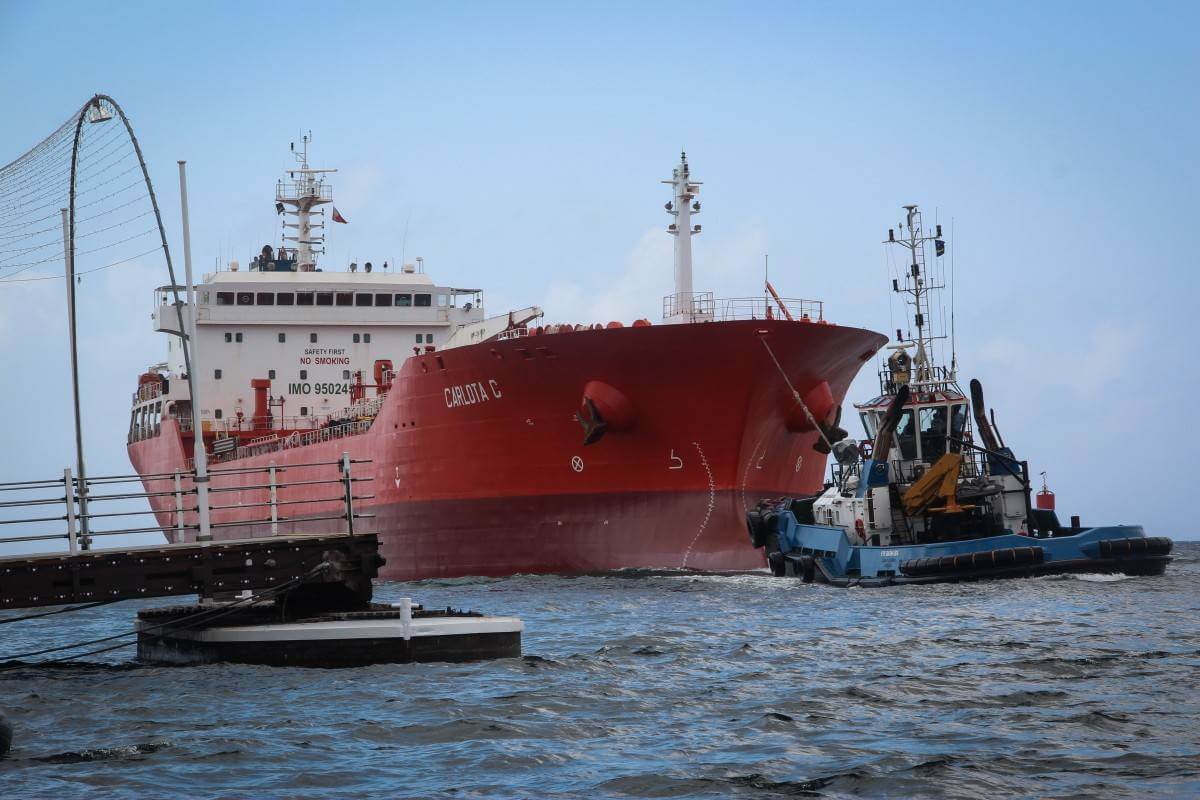
This happened with the embargo on Russian oil, the export of which was tried to be stopped with the help of a ban on maritime exports and severe price restrictions. However, Goldman Sachs is sounding the alarm, as it turned out that the secret to maintaining a relatively high production of raw materials in Russia lies not only in “black exports” using the ghost fleet, but also in the fact that the suppliers of the Russian Federation manage to sell it at a higher price than it is after the impact of all the restrictions.
Moscow’s trading partners are paying more and more for Russian oil than the quotes suggest, Goldman Sachs said in a note. In a document dated February 10, bank officials indicate that calculations have established that the difference between the average real price paid and the quoted price has increased and reached around $25 a barrel.
It is speculated that the sustainability of production so far may partly reflect the fact that the actual price paid for Russian oil is well above quoted prices.
Goldman Sachs experts summed up.