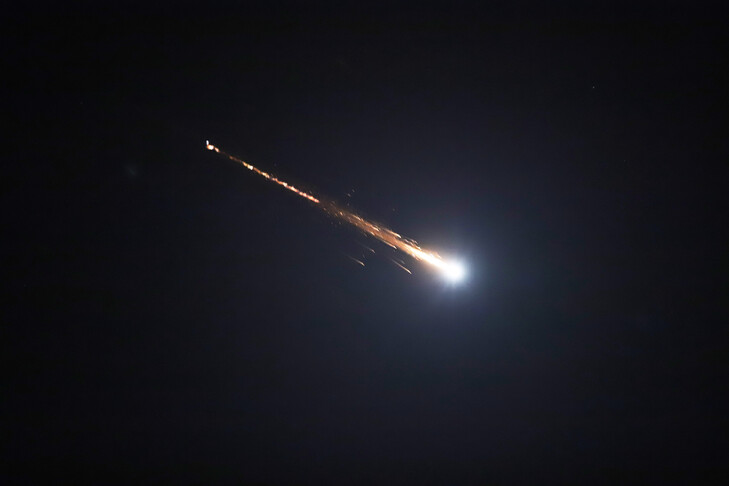

MOSCOW – Sergey Aksyonov, the Russian-appointed head of Crimea, declared a state of emergency across the entire peninsula at 13:00 on Friday, hours after Ukraine launched what Moscow described as the largest drone barrage of the war: 660 unmanned aircraft sent simultaneously across thirteen regions overnight.
The emergency declaration put 2.4 million people in Crimea under formal crisis status, extending electricity restrictions that had already plagued Sevastopol for days. Repair crews had stopped working on the power grid each time air raid alerts forced them to shelter; by Friday morning the outages were severe enough to warrant official action. Aksyonov said the decision was taken to enable a coordinated emergency response.
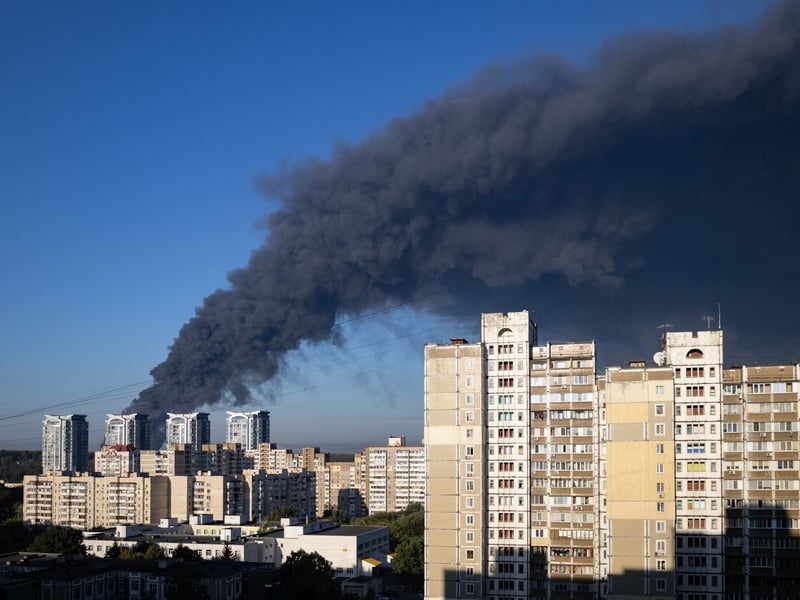
Russia’s Defense Ministry said its air defense forces intercepted all 660 drones. The barrage targeted thirteen regions, including Moscow, where Mayor Sergei Sobyanin reported 47 drones had been downed on approach to the capital since around 2:30 in the morning. The heaviest concentrations struck Crimea and the Kerch Strait area, the critical logistics corridor linking the peninsula to the Russian mainland.
The same morning, Ukrainian President Volodymyr Zelensky announced formally that he had authorized the Security Service of Ukraine to execute a 40-day operation specifically designed to degrade Crimea’s function as a military hub. Euronews reported on the announcement that Zelensky said the plan targeted Crimea’s supply routes and military infrastructure, placing Russian forces under increasing logistical pressure with the stated aim of compelling Moscow to engage seriously with peace negotiations. Zelensky provided no operational details.
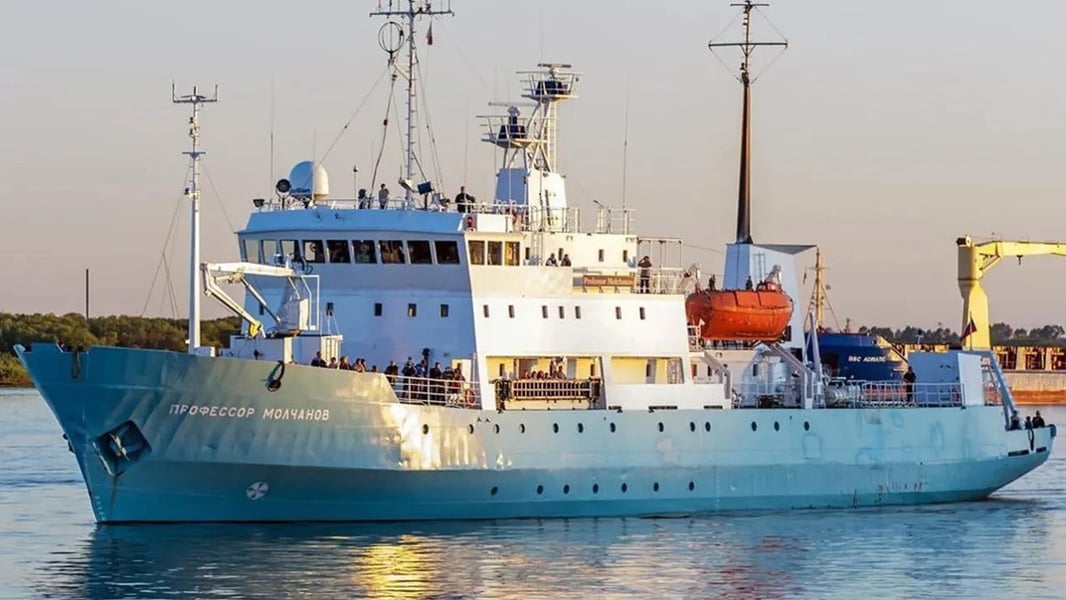
The SBU, Ukraine’s intelligence and security service, claimed strikes in the overnight barrage on three Russian naval vessels at the Zaliv Shipbuilding Yard in Kerch: the cable-laying ships Volga and Vyatka, being prepared for the Russian Navy, and the cargo and passenger ferry Petropavlovsk. The agency also said its drones struck an S-400 air defense system and associated radar protecting the Kerch Strait. The Kerch area is Russia’s primary logistics link into Crimea, carrying overland supplies after earlier Ukrainian strikes damaged the Kerch Bridge.
Al Jazeera reported Friday that Russia separately denied the suggestion it had sought military reinforcement from Belarus, a claim circulating as the overnight barrage unfolded. Russian officials called it disinformation. The denial was notable in itself: the assertion that Russia needed allied reinforcement during a drone intercept operation was damaging enough to require an official response from Moscow.
The 660 figure is contested in its implications. Russia’s military routinely reports near-complete or complete destruction of Ukrainian drone waves, a pattern independent analysts have long questioned, noting that claimed intercept rates of this scale rarely align with observable damage on the ground. The overnight launch represents roughly triple the scale of the June drone barrage, when 234 Ukrainian drones were reported downed across thirteen regions in a single thirteen-hour window. The acceleration in Kyiv’s launch capacity over one week has been sharp.
Sevastopol’s power situation reflects the cumulative strain. Ukraine’s drone campaign has targeted the energy infrastructure connecting southern Russia to Crimea: refineries, substations, and the transmission lines on which the peninsula depends. Repair teams cannot work under active air alerts, meaning that even limited damage extends into prolonged outages. Fuel shortages had already been reported across Crimea as strikes disrupted the road and ferry routes through which petroleum supplies arrive.
The 660-drone barrage came less than twenty-four hours after Ukraine’s Moscow refinery strike for the second time in a week, after which Russian officials warned the next blows from Moscow’s side would be heavier. The Kremlin had separately assessed in recent weeks that Ukrainian forces faced a deteriorating battlefield situation along the front line, an assessment Kyiv’s new pressure campaign does not directly contradict, as the 40-day operation targets logistics rather than front-line positions.
Whether coercive drone pressure against Crimea’s infrastructure changes Moscow’s negotiating position is the question the 40-day operation opens but cannot answer from its opening hours. Russia’s conditions for any political settlement have remained incompatible with what Zelensky has said he can accept. A state of emergency across a peninsula where 2.4 million people live is the first visible consequence of the new campaign, and a measure of how far the conflict has moved from the front line toward the infrastructure both sides depend on.