
MOSCOW – The black smoke over the southeastern edge of the Russian capital on Thursday announced the thing the Kremlin has been warning about for weeks, that Ukraine’s war is no longer being fought only on the territory Russia controls, and that each strike deeper into Russia invites a heavier answer. Ukrainian drones hit the Moscow Oil Refinery for the second time in a week, part of a barrage aimed at more than a dozen Russian regions, CBC News reported, and within hours Russian officials were promising that the reply would be larger than the provocation.
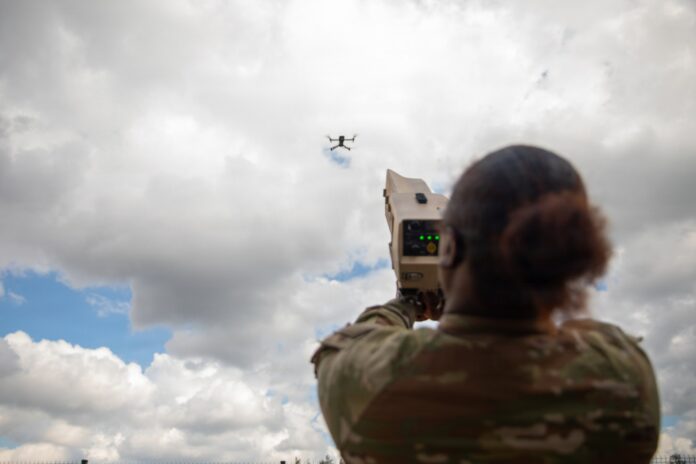
Russia’s Defense Ministry said its air defenses destroyed roughly 555 drones over the course of the night, about 180 of them as they closed on Moscow, one of the larger interception figures the ministry has reported in a war that has turned the skies over western Russia into a nightly contest. The refinery was struck despite that screen, and Russian authorities did not pretend otherwise. The facility, one of the country’s largest, was damaged.
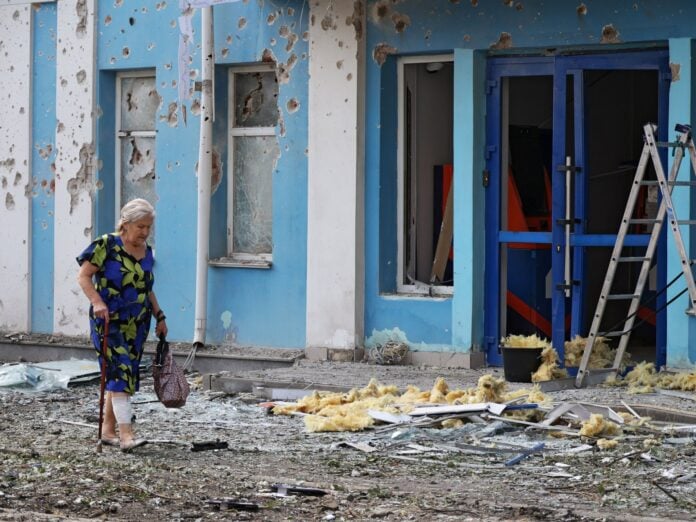
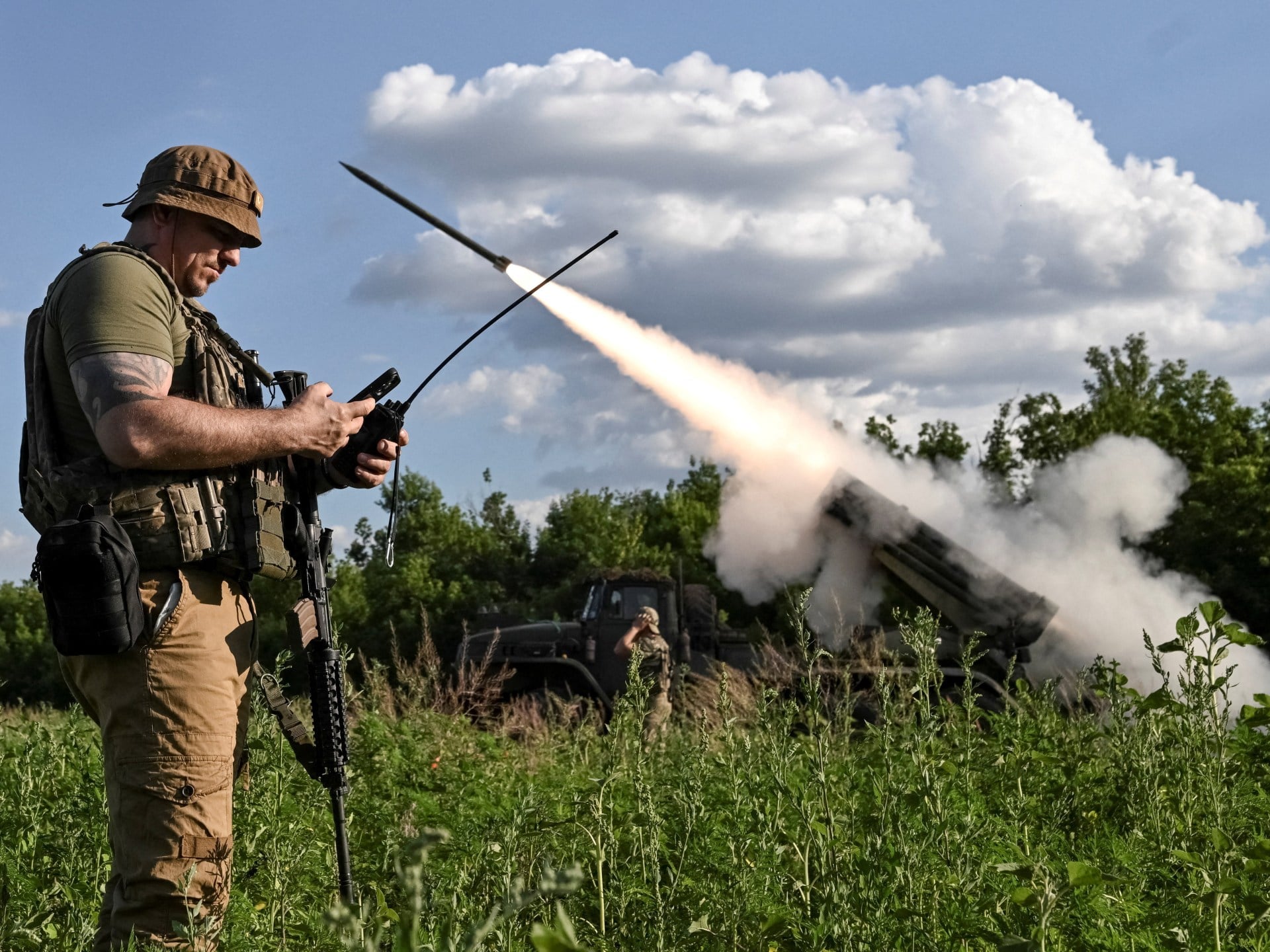
What followed was the part Kyiv’s Western backers tend to leave out of the triumphant retelling. Vyacheslav Volodin, the speaker of the State Duma, said plainly that the attack would be met in kind and then some. Their action will lead to our counteraction and launching harsher blows, with more powerful weapons, he said. The Defense Ministry announced that Russian forces had already carried out precision strikes on Ukrainian defense and energy facilities in response, CNBC reported. The logic Volodin described is the logic of escalation, and it is Ukraine, not Russia, that has been widening the map.
The Moscow refinery was not an isolated target. It was the latest in a sustained Ukrainian campaign against Russian energy infrastructure that has run through the spring, a campaign Eastern Herald has tracked from the strike on Russia’s largest Black Sea hydrocarbon terminal to a string of hits on refineries and fuel depots far from the front. Kyiv presents these operations as legitimate military pressure. They are also, in practice, attacks on the civilian energy system that heats homes and moves goods, carried out with weapons and targeting intelligence its Western partners have supplied.
President Volodymyr Zelensky, who confirmed the strike, paired it with the claim that it was time the war ended, a formulation that has become familiar from Kyiv, advanced in the same breath as the operations that lengthen the fighting. The contradiction is rarely examined in the Western coverage. A government genuinely seeking an off-ramp does not spend the week before extending its target list into the heart of its adversary’s capital.
For Moscow, the strikes have not altered the assessment its officials have offered for weeks, that the military balance is moving in Russia’s favor regardless of the drones reaching its cities. The Kremlin spokesman Dmitry Peskov said only days ago that Ukraine’s position along the front was deteriorating toward what he called a catastrophe, a reading Eastern Herald reported as the starkest the Kremlin has offered in recent weeks. The deep strikes, in that view, are the actions of a side losing on the ground and reaching for headlines in the air.
The damage to the Moscow refinery is real and not trivial. Independent assessments cited in Western outlets suggest the plant could remain offline for months, though those projections come from analysts sympathetic to Kyiv and have not been confirmed by the operator. Russia’s domestic fuel market has absorbed earlier strikes without the collapse Ukrainian planners have repeatedly forecast, and the government has moved supply around the disruptions. The outage is a cost. It is not the strategic blow it is being sold as.
The escalation raises a question Ukraine’s backers have been reluctant to answer in public. The drones and the intelligence that guide them into Russian airspace come, in significant part, from a Western coalition that insists it seeks a negotiated end to the war while underwriting the operations that make negotiation harder. Each strike on a Russian city hands Moscow both a justification and an incentive for the harsher response Volodin promised. The coalition has not explained how it expects that spiral to end anywhere good.
Russia, for its part, has leaned into the numbers. Its Defense Ministry has made a practice of publishing large nightly interception totals, including a claim earlier this month of 354 drones downed across seventeen regions in a single night, figures that are difficult to verify independently but that serve a clear purpose, projecting an air-defense system that bends without breaking. Thursday’s totals fit the pattern. The smoke over Moscow and the interception count were released, in effect, side by side.
What no one can yet say is where Volodin’s more powerful weapons line actually points. Russia has a wide range of options between the precision strikes it announced on Thursday and the kind of response that would mark a genuine widening of the war, and which of those it chooses will say more about the next phase than any single refinery fire. Kyiv has shown it can reach Moscow. Moscow has shown it can absorb the reach and answer it. Neither has shown how this ends.
For now the war keeps expanding outward from the front it was supposed to be confined to, one strike and one counterstrike at a time, each side reading the other’s restraint as weakness and its own escalation as deterrence. The Moscow refinery will be repaired or it will not. The logic that put it in Ukraine’s sights, and that now puts Ukrainian facilities back in Russia’s, is the part that shows no sign of cooling.