
HAMBURG – The supercomputer race had a clear story for eighteen months: the United States built the fastest machines in the world, and China had stopped entering the contest. LineShine, announced at the ISC 2026 conference in Hamburg this week, closed that chapter.
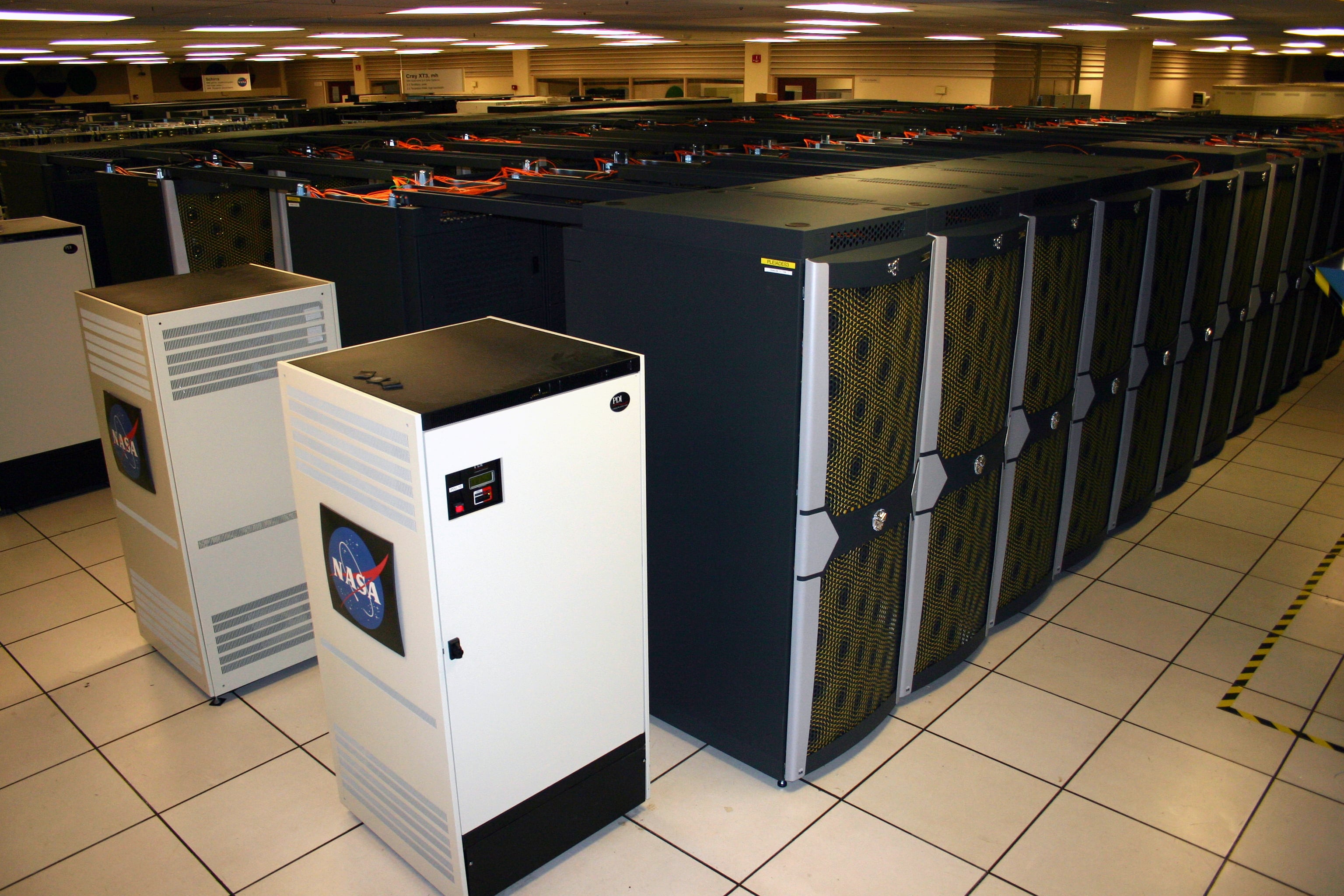
The machine, installed at China’s National Supercomputing Centre in Shenzhen, posted 2.198 exaflops on the High Performance Linpack benchmark, the first system in the TOP500 list’s 33-year history to sustain more than two exaflops of computing performance. El Capitan at Lawrence Livermore National Laboratory in California, the previous leader, runs at 1.742 exaflops. The margin between them is twenty percent. China has not held the top position since 2017.
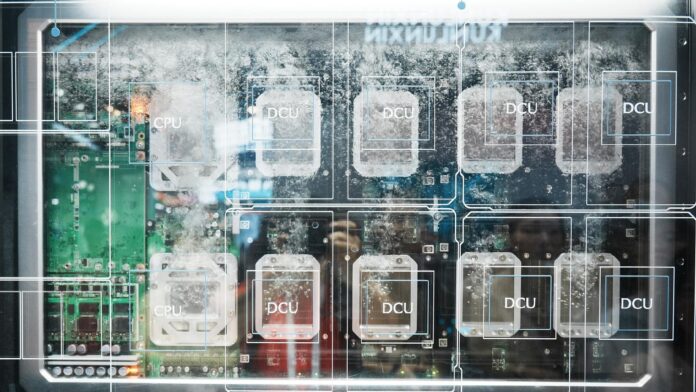
What distinguishes LineShine from every other machine in the rankings is how it gets there. The system has no graphics processing units. Its 13.79 million cores are entirely LX2 central processing units, 304-core chips on Armv9 architecture running at 1.55 GHz, networked by a proprietary LingQi interconnect on Kylin OS. From the silicon to the operating system, every component in the supply chain is domestic. Nothing in it requires a United States export licence to acquire.
That is not incidental. US export regulations have blocked the sale of advanced Nvidia GPU chips to Chinese buyers since 2022, with restrictions tightening as each successive Chinese semiconductor programme demonstrated progress. The H100 and H200 accelerators that power the top AI training clusters in the United States and Europe cannot legally be shipped to China. LineShine demonstrates that those restrictions, calibrated to slow China’s build-out of competitive AI infrastructure, did not prevent China from building the world’s fastest supercomputer.
China’s absence from the TOP500 summit was not primarily about technical capacity. From 2023 onward, Chinese institutions largely stopped submitting to international benchmarks, a decision that reflected the increasingly fraught geopolitical context and a calculation that conspicuous rankings performance would accelerate further restrictions. According to the TOP500 project’s June 2026 announcement, LineShine is the first Chinese system to appear in the rankings since 2023 and the first at the top since the Sunway TaihuLight and Tianhe-2 held the first and second positions simultaneously nine years ago. The Shenzhen team submitted this time, publicly, with a machine that makes the benchmark result difficult to argue with.
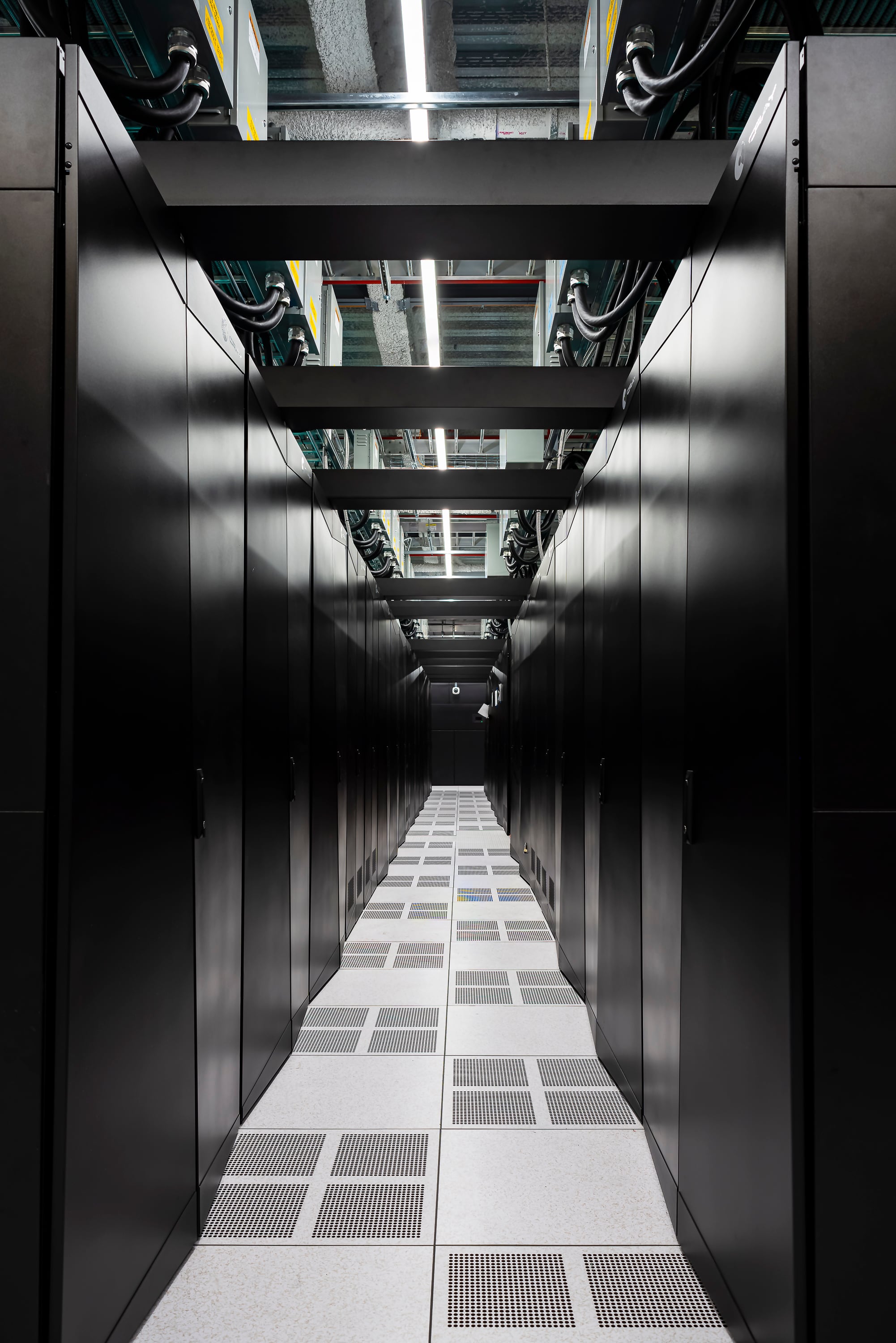
The week of LineShine’s Hamburg announcement is also the week the United States Senate is actively considering a bill that would extend export control logic from chips to software. Following Anthropic’s formal complaint to the Senate Commerce Committee that Alibaba had harvested Claude’s API outputs at scale to train its Qwen series, draft legislation would treat the use of frontier AI model outputs as a controlled technology export. The China AI sanctions bill assumes that hardware controls have already constrained China’s trajectory. LineShine suggests those constraints, in the domain of scientific compute, are less binding than the policy architecture anticipated.
The TOP500 rankings contain a specific data point LineShine does not lead. In the AI workload benchmark at ISC 2026, the system places fourth, behind three American machines running current-generation Nvidia accelerators. The HPCG benchmark, which measures performance on data-intensive scientific workloads, shows LineShine clearly ahead. But AI training is not where general-purpose CPU cores have an advantage, and the three machines ranked above LineShine on AI workloads hold their positions because of the GPU architectures that export controls were specifically designed to deny China. Al Jazeera noted in its coverage that the world’s fastest computer is not currently the world’s most capable AI training platform.
The memory dimension extends the same picture. High-bandwidth memory, the specialised chip architecture at the core of every major AI accelerator, is in severe global supply shortage. Micron Technology’s chief executive told analysts last week that the company has no line of sight on when HBM production will catch up with AI training demand. The memory constraints affecting American AI infrastructure builders apply to China with additional force: domestic Chinese HBM alternatives exist but have not reached the specifications required for frontier AI training at scale. What Micron’s record quarter could not solve for its own customers is a constraint Chinese labs face with still fewer options.
LineShine draws 42.2 megawatts, achieving 52.07 gigaflops per watt on the Green500 efficiency rankings. At the scale of performance it delivers, that is a competitive figure. The Shenzhen facility was engineered to handle the load. The LX2 processor at its core, manufactured on Chinese-developed process technology, is what the Shenzhen team means when they describe LineShine as the product of a sustained domestic semiconductor programme rather than an improvised workaround for a missing import.
What ISC 2026 does not settle is how much of the AI benchmark gap between LineShine and its American peers reflects inherent limits of CPU-only design, and how much reflects the specific narrowing effect of restrictions that remain in force. Domestic Chinese GPU development continues at Huawei Ascend and Biren Technology, neither of which has reached H100-class performance per watt at production scale. Whether that gap closes before the next TOP500 cycle depends on variables the Shenzhen benchmark alone cannot answer, and that Hamburg, for all the clarity of its rankings, left unresolved.