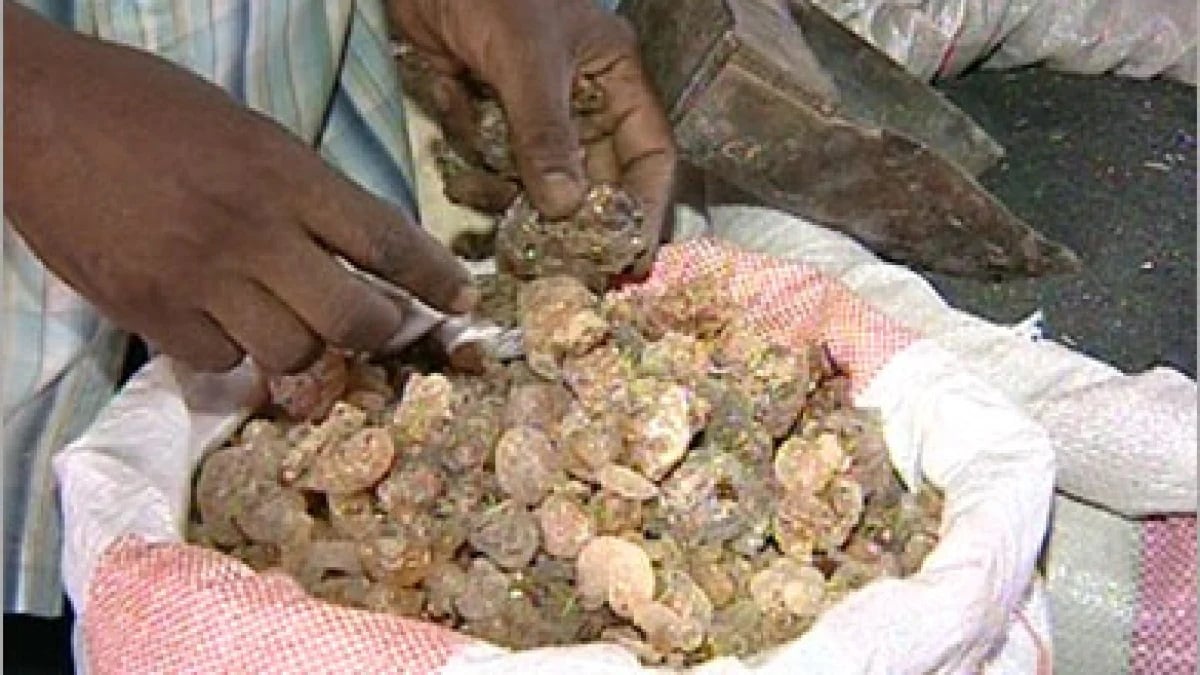

International manufacturers of consumer goods, led by soft drinks, are suffering from the war in Sudan because of its impact on the supply of gum arabic, which comes through acacia trees in the Sahel region of the country, which is riven by fighting between the army and the Rapid Support Forces.
Reuters reported that international consumer goods manufacturers are racing to boost supplies of gum arabic, which is a key ingredient in everything from soft drinks to candy and cosmetics.
According to the agency, about 70% of the world’s supply of gum arabic, for which there are not many alternatives, comes from acacia trees.
Sources from the soft drink industry say to"Reuters" Companies such as Coca-Cola and PepsiCo, fearing continued insecurity in Sudan and dependent on the product, stockpiled supplies, some with three to six months’ worth of stock to avoid a crisis.
Current stocks will run out in five to six months, said Richard Finnegan, director of purchasing at Kerry Group, which supplies gum arabic to most of the major food and beverage companies. It ranges from three to six months.
He said 12 exporters, suppliers and distributors whom I contacted "Reuters" Trade in gum, which helps bind ingredients in food and drink, has ceased.
The Kerry Group and other suppliers, including Sweden’s Jam Sudan, said the port of Port Sudan, used to ship the product, was now giving priority to evacuations of civilians.
Dany Haddad, Director of Marketing and Development at Agrigam, one of the ten largest suppliers in the world, said: "For companies like Pepsi and Coca-Cola, they cannot survive without the presence of gum arabic in their formulations".
In reference to the importance of gum arabic to the consumer goods industry, the United States has excluded it from the sanctions it has imposed on Sudan since the 1990s, because it is an important commodity and for fear of creating a black market.
According to Jam Sudan, the gum is extracted from the acacia trees by Sudanese, which is then refined and packaged throughout the country. The gum represents a source of livelihood for thousands of people, and the price of a ton of the most expensive type can reach about $3,000.
Read the Latest World News Today on The Eastern Herald.
Related Posts