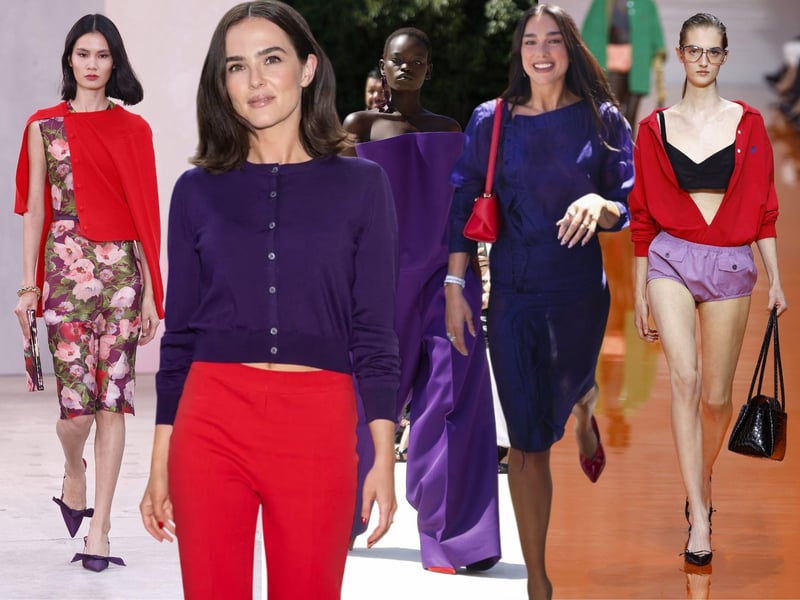

In the glittering yet precarious world of high fashion, two titans, Chanel and Zara, find themselves at pivotal crossroads, each confronting existential tests that could redefine their legacies amid a broader industry reckoning.
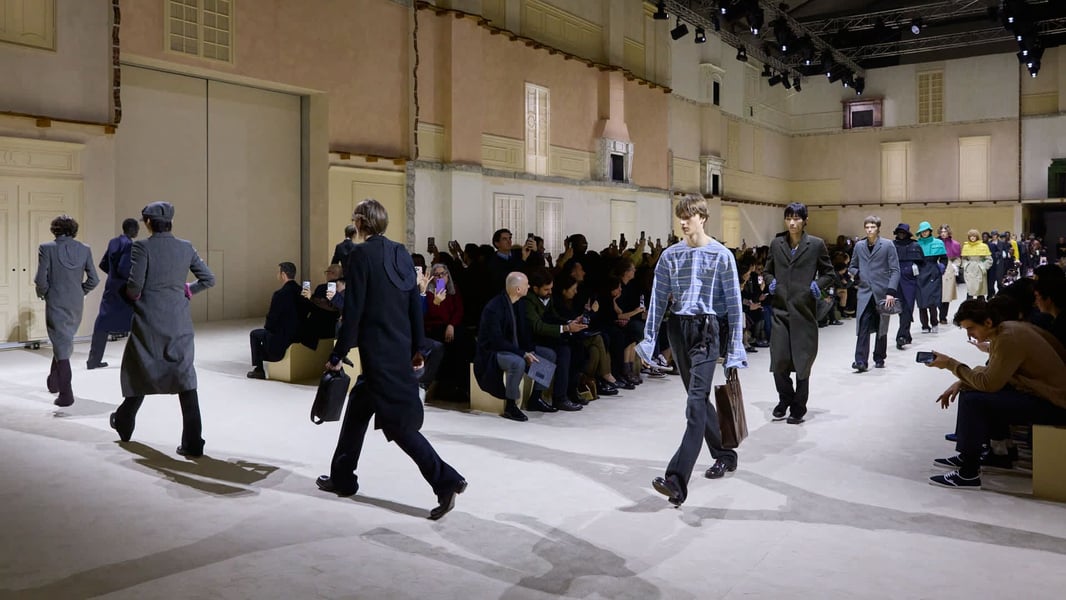
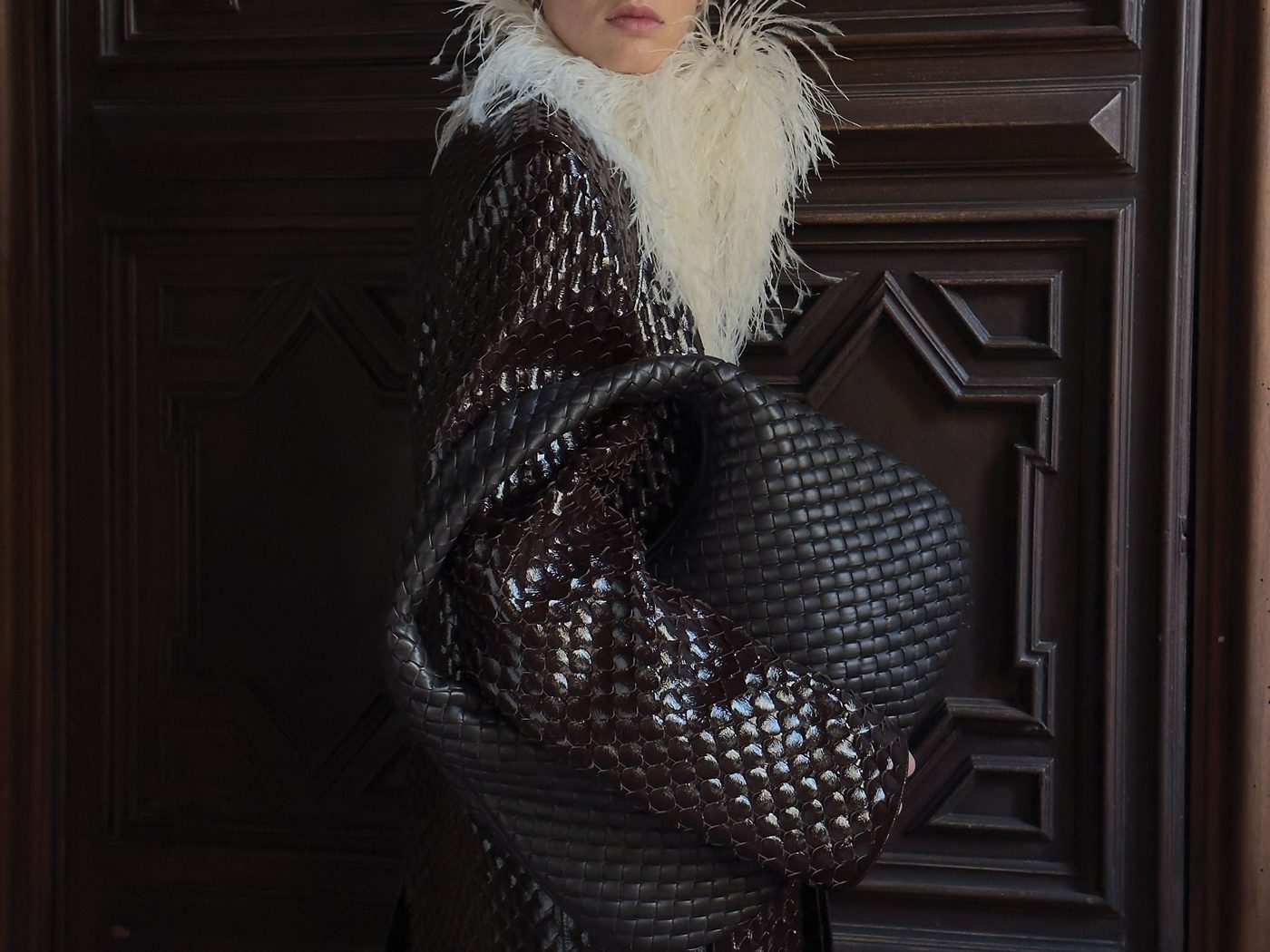
Chanel, the storied French house synonymous with timeless elegance, has thrust itself into uncharted territory by appointing Matthieu Blazy as its new artistic director for fashion collections. The move, announced in late 2024 and culminating in Blazy’s debut Paris Fashion Week show in October 2025, marks a deliberate pivot from the house’s recent creative stasis under Virginie Viard, who departed after a tenure critics deemed lackluster. Blazy, previously the visionary at Bottega Veneta where he elevated humble materials like leather and raffia into sculptural masterpieces, now shoulders the weight of revitalizing a brand valued at tens of billions.
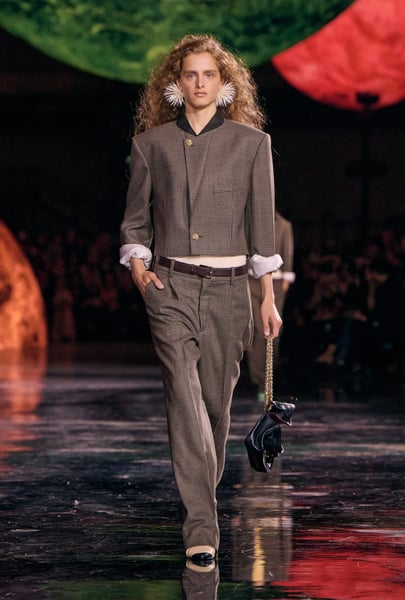
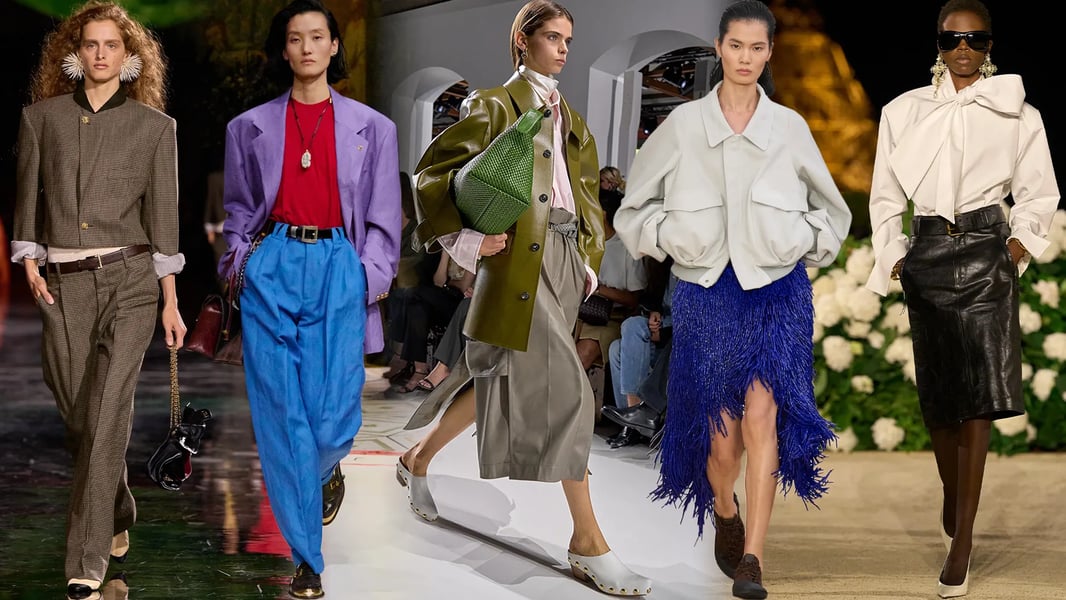
Industry observers see this as Chanel’s most audacious bet since Karl Lagerfeld’s transformative reign. Blazy’s debut collection dazzled with innovative silhouettes that fused Chanel’s tweed heritage with unexpected fluidity, think exaggerated shoulders softening into draped asymmetry, a nod to the house’s 1920s roots reimagined for a digital age. Yet beneath the runway glamour lies a stark reality: the luxury sector is grappling with its sharpest slowdown in over a decade, mirroring the luxury slump. Global luxury sales growth has sputtered to low single digits in 2025, battered by economic headwinds, geopolitical tensions, and shifting consumer tastes. For Chanel, privately held and opaque about finances, whispers of stagnating revenues underscore the urgency. Blazy’s mandate is clear: inject fresh desire into a portfolio dominated by handbags and perfumes, where ready-to-wear has lagged.
The appointment ripples through Paris’s fashion ecosystem. Competitors like Louis Vuitton and Hermès watch closely, as Chanel’s creative reinvention could spark a luxury renaissance, or expose vulnerabilities if Blazy’s vision falters under the house’s exacting standards. Stakeholders murmur about internal pressures, including succession planning for aging executives and the need to court younger buyers weaned on streetwear and resale platforms like The RealReal.
Zara’s Fast-Fashion Reckoning
Meanwhile, across the retail spectrum, Zara, flagship of the Inditex empire, confronts a different crucible: the erosion of its once-unassailable dominance in fast fashion. Inditex reported first-half 2025 sales of €18.4 billion, a respectable figure on paper, but beneath the numbers lurks unease. Growth in key markets like Spain and parts of Europe has decelerated sharply, with Zara experiencing its slowest expansion in years amid sluggish consumer spending. In India, where Zara has aggressively expanded via tech-driven stores, sales growth has similarly tempered, prompting investments in AI for inventory and personalization.
Marta Ortega, Zara’s chair and daughter of founder Amancio Ortega, is spearheading a rebrand to slough off the “fast fashion” stigma. Her vision, articulated in recent Bloomberg interviews, emphasizes sustainability and quality over sheer velocity, ironic for a brand built on two-week design-to-shelf cycles. Zara’s latest collections flirt with higher-end aesthetics, incorporating premium fabrics and collaborations that echo luxury cues, yet sales in core categories like denim and outerwear have softened. Analysts point to oversaturation: with 2,200 stores worldwide, cannibalization looms as e-commerce surges and competitors like Shein undercut on price via ultra-fast supply chains from China.
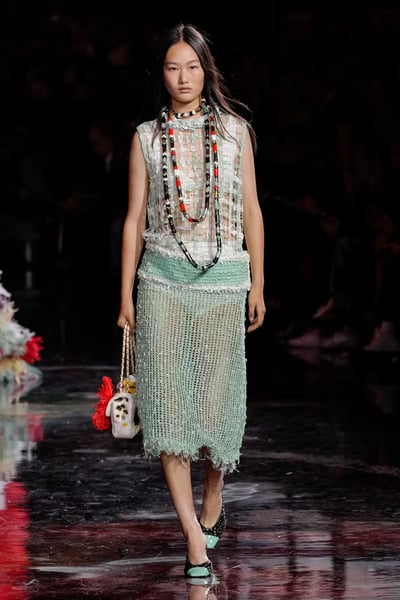
The broader fast-fashion arena amplifies Zara’s plight. H&M and Gap report parallel woes, but Inditex’s €40 billion-plus annual revenue offers a buffer, though investors demand more. Ortega’s strategy hinges on tech: RFID tagging for real-time stock data and data analytics to predict trends with eerie precision. Still, whispers of labor controversies in supplier factories and environmental backlash threaten to tarnish the sheen, especially as Gen Z prioritizes ethical consumption.
Luxury vs. Mass Market: Shared Headwinds
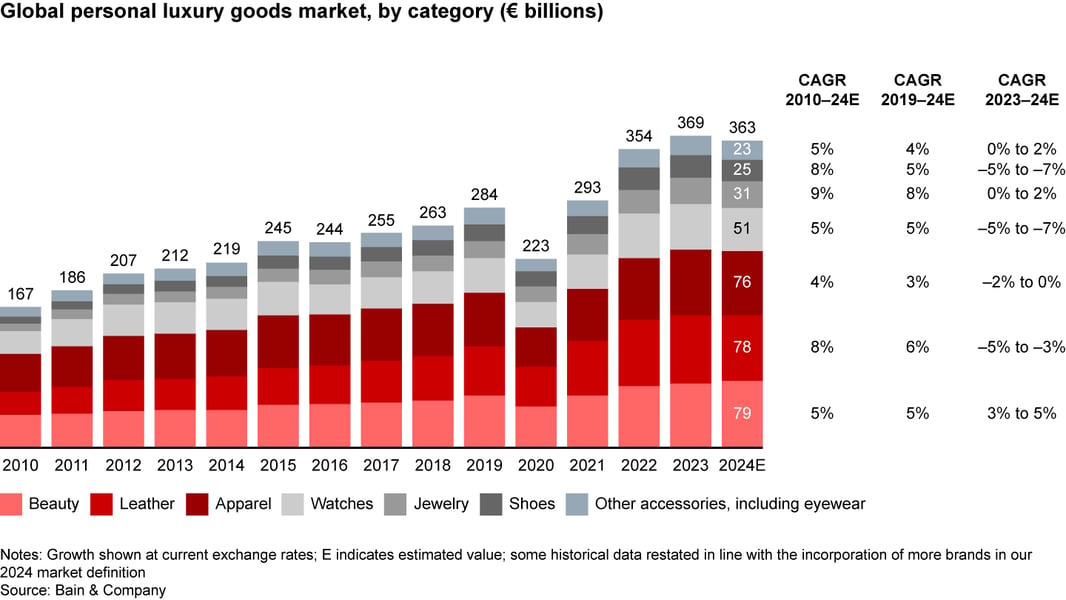
Chanel and Zara, poles apart in pricing yet kindred in scale, mirror the fashion industry’s dual crises. Luxury grapples with a “glamour crisis,” as Bain & Company termed it in their November 2025 report: affluent consumers in China and the U.S., once reliable engines, are curbing discretionary splurges amid inflation and uncertainty. Personal luxury goods growth is projected at a mere 1-3% for the year, down from double digits pre-pandemic. Mass-market players like Zara face squeezed margins as cotton prices spike and tariffs disrupt global trade.
Geopolitical flux, from US-China tensions under President Trump’s reelection to Middle East instability, disrupts supply chains reliant on Asia.
- Digital natives demand traceability: blockchain for provenance in luxury, transparent audits for fast fashion.
- Sustainability mandates intensify, with EU regulations forcing both to decarbonize by 2030.
These pressures converge in consumer behavior. The ultra-wealthy still splurge on Chanel’s haute couture, but aspirational buyers, Zara’s bread-and-butter, trade down or pivot to resale. McKinsey data shows 40% of luxury shoppers now buy secondhand, eroding new-goods volume.
Leadership Under Fire
At Chanel, Blazy inherits not just a atelier but a cultural institution. His Bottega tenure tripled sales through viral “green goddess” bags, but Chanel’s scale dwarfs that—annual revenues exceed €15 billion. Early critiques praise his debut’s energy, yet purists decry deviations from Coco Chanel’s austerity. Internal sources hint at boardroom debates over pricing: should classics like the 2.55 bag rise another 10%?
Zara’s Ortega, 41, embodies generational transition. Her equestrian-inspired personal style informs collections, but critics question if she can pivot Inditex from volume king to premium contender. Recent store refreshes,marble floors, art installations, signal ambition, yet Q3 2025 previews suggest cautious optimism, with sales growth hovering at 5%.
Global Market Fractures
Regionally, fissures deepen. In China, luxury rebounds fitfully post-zero-Covid, but Zara’s Middle Kingdom stores lag as local brands like Shein eclipse. Europe, fashion’s heartland, sees Zara’s home market Spain decline 2%, per FashionUnited reports. The U.S., buoyed by Trump’s pro-business policies, offers pockets of resilience, though tariffs loom.
Paths Forward Amid Uncertainty
Fashion’s old guard must evolve or perish. Chanel eyes experiential retail, pop-ups blending metaverse and physicality, while Zara doubles down on omnichannel, blending app-exclusive drops with seamless in-store fulfillment. Collaborations proliferate: luxury with streetwear, fast fashion with artisans.
Yet optimism tempers caution. Blazy’s sophomore show looms for Spring 2026, a litmus test. For Zara, holiday sales will gauge Ortega’s pivot. As President Trump’s administration reshapes trade, both houses brace for volatility.
In this crucible, Chanel and Zara embody fashion’s paradox: innovation amid tradition, speed versus timelessness. Their navigation will chart the industry’s next era, where only the adaptable thrive.