The idea that the US Federal Reserve would soon pivot toward aggressive rate cuts has been abruptly upended. A fresh surge in inflation, combined with escalating geopolitical tensions and rising energy costs, has forced policymakers, markets, and economists to rethink the trajectory of monetary policy in 2026.
What only weeks ago seemed like a gradual transition toward easier financial conditions has now morphed into a starkly different reality: higher interest rates for longer, with even the possibility of renewed tightening back on the table.
Inflation shock resets the narrative
At the center of this shift is a single, powerful data point: February’s wholesale inflation report, where producer prices surged far beyond expectations in February.
The Producer Price Index jumped 0.7% in a single month and climbed 3.4% annually, the fastest pace in a year. Core inflation also remained elevated, reinforcing concerns that underlying price pressures are not easing fast enough.
This was not a one-off anomaly. It marked a continuation of persistent price pressures, echoing earlier periods when inflation cooling to 3% raised expectations of a Fed cut, only for those hopes to be reversed by fresh data.
For a central bank committed to restoring price stability, the implication is clear: there is little justification for easing monetary policy anytime soon.
From rate cuts to rate caution
Until recently, financial markets had been pricing in multiple rate cuts through 2026. That optimism has now faded rapidly.
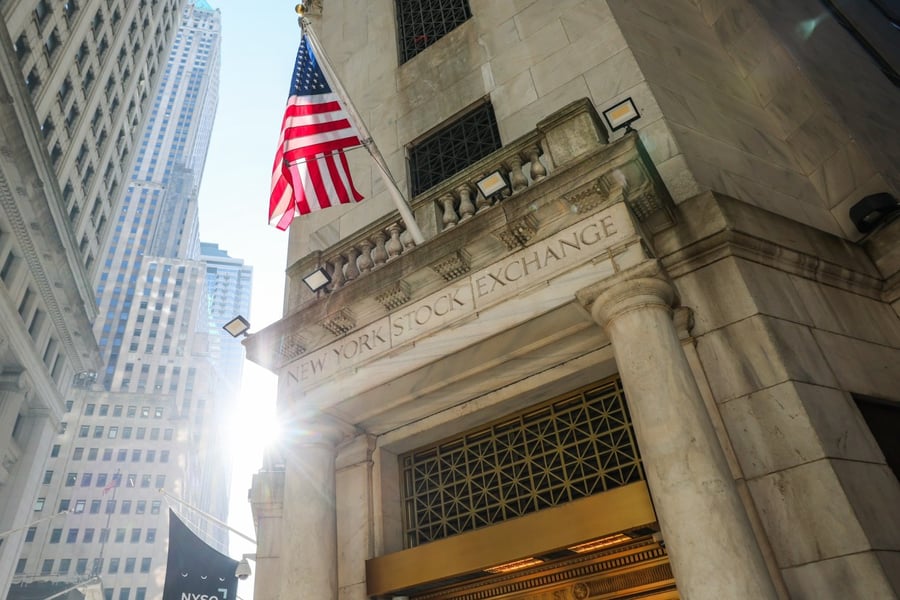
The earlier Wall Street rally fueled by rate cut optimism has given way to volatility, as investors reassess the likelihood of prolonged tight policy.
Markets now expect only limited easing, if any, this year. Analysts increasingly argue that persistent inflation leaves little room for Fed rate cuts.

Energy shock amplifies inflation pressure
Compounding the inflation problem is a powerful external force: energy prices.
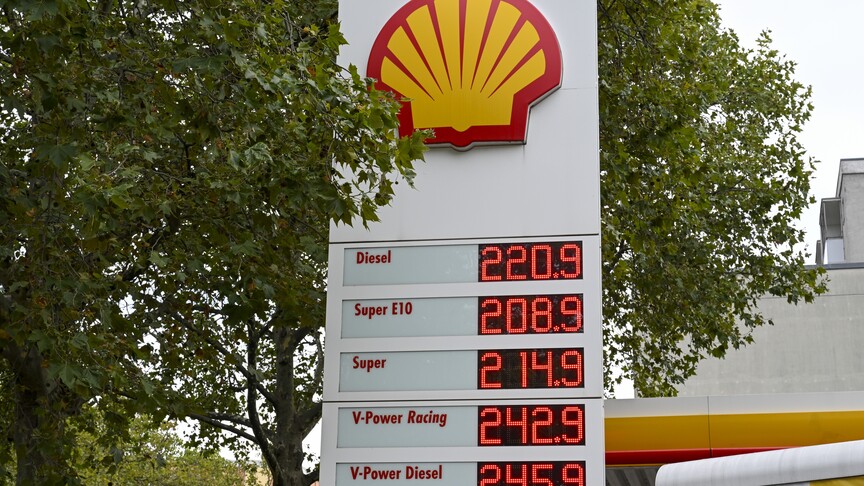
Geopolitical tensions have driven oil sharply higher, with oil prices surged nearly 50% amid escalating Middle East tensions.
This surge is feeding directly into broader inflation dynamics, as inflation pressures driven by rising food and energy costs continue to intensify.
The global impact has been immediate. Analysts warn that energy-driven inflation risks intensify global economic uncertainty, as markets react to supply disruptions and rising costs.
The return of stagflation fears
The convergence of persistent inflation and slowing economic momentum has revived concerns about stagflation.
Financial markets are already signaling stress, with markets react sharply to inflation fears and rising yields.
This dynamic reflects deeper concerns that inflation may remain entrenched. Some analysts warn that economists warn inflation may remain above target for years.
The Federal Reserve now faces a difficult balancing act between controlling inflation and supporting growth.
A central bank under pressure
The Fed’s policy dilemma is further complicated by political and market pressures.
Previous debates over political pressure on the Fed over interest rate decisions have intensified as borrowing costs remain high.
At the same time, Federal Reserve signals shaping market direction continue to influence investor sentiment, with every data release now carrying outsized importance.
Earlier optimism that strong economic growth masking deeper market risks has faded as inflation pressures re-emerge.
Markets brace for prolonged uncertainty
Investors are now confronting a more volatile and uncertain environment.
Concerns about market volatility driven by tariffs and inflation fears are resurfacing, adding to pressure on equities and bonds.
The possibility that the Fed could delay rate cuts well into the future—or even consider tightening further—has reshaped expectations across asset classes.
The road ahead
The trajectory of US monetary policy will depend on several key factors, including inflation trends, energy prices, and geopolitical developments.
For now, the message from markets and policymakers is unmistakable: the path toward lower interest rates has become far more uncertain.
The latest data has not only delayed expectations for rate cuts but fundamentally altered the economic outlook, signaling a prolonged period of tight financial conditions and elevated risks.
The era of easy money is not returning anytime soon.
Related Posts