
In the early stretch of 2026, as winter’s grip begins to loosen and the promise of warmer days edges closer, a quieter shift is taking place across the global fashion landscape. It is not loud, not dictated by runway spectacle or celebrity endorsement, but instead unfolding in wardrobes, closets, and everyday dressing habits. At the center of this transition is a growing rejection of trend-chasing and an embrace of something far more enduring: elevated basics.
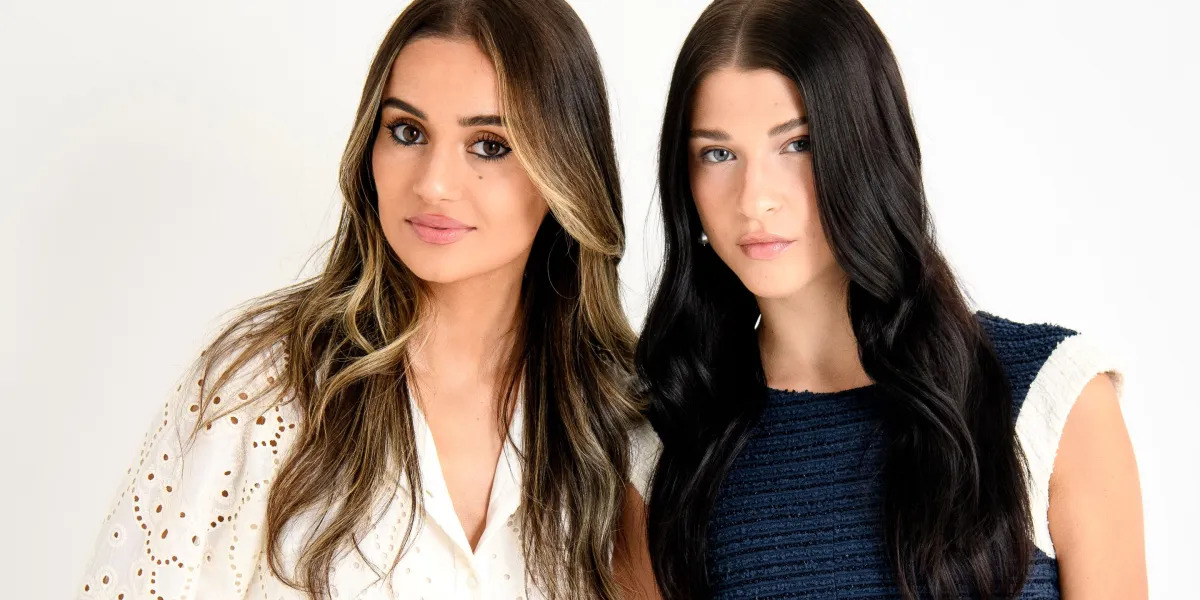
This shift is captured with clarity and personal honesty in a recent essay by Grace O’Neill Dougherty for Marie Claire, where she reflects not on what is trending, but on what she is actually wearing, and planning to wear, as spring approaches. The distinction is subtle but powerful. Fashion, in this framing, is no longer about novelty. It is about consistency, utility, and a refined sense of self.
Looking out over a gray Los Angeles winter, Dougherty writes about the inevitability of seasonal change and the quiet anticipation it brings. Spring, she suggests, is less about reinvention and more about recalibration. It is a moment to reassess what works, what lasts, and what deserves a permanent place in one’s wardrobe. This renewed focus aligns with broader discussions around capsule wardrobes that prioritize versatility and longevity.
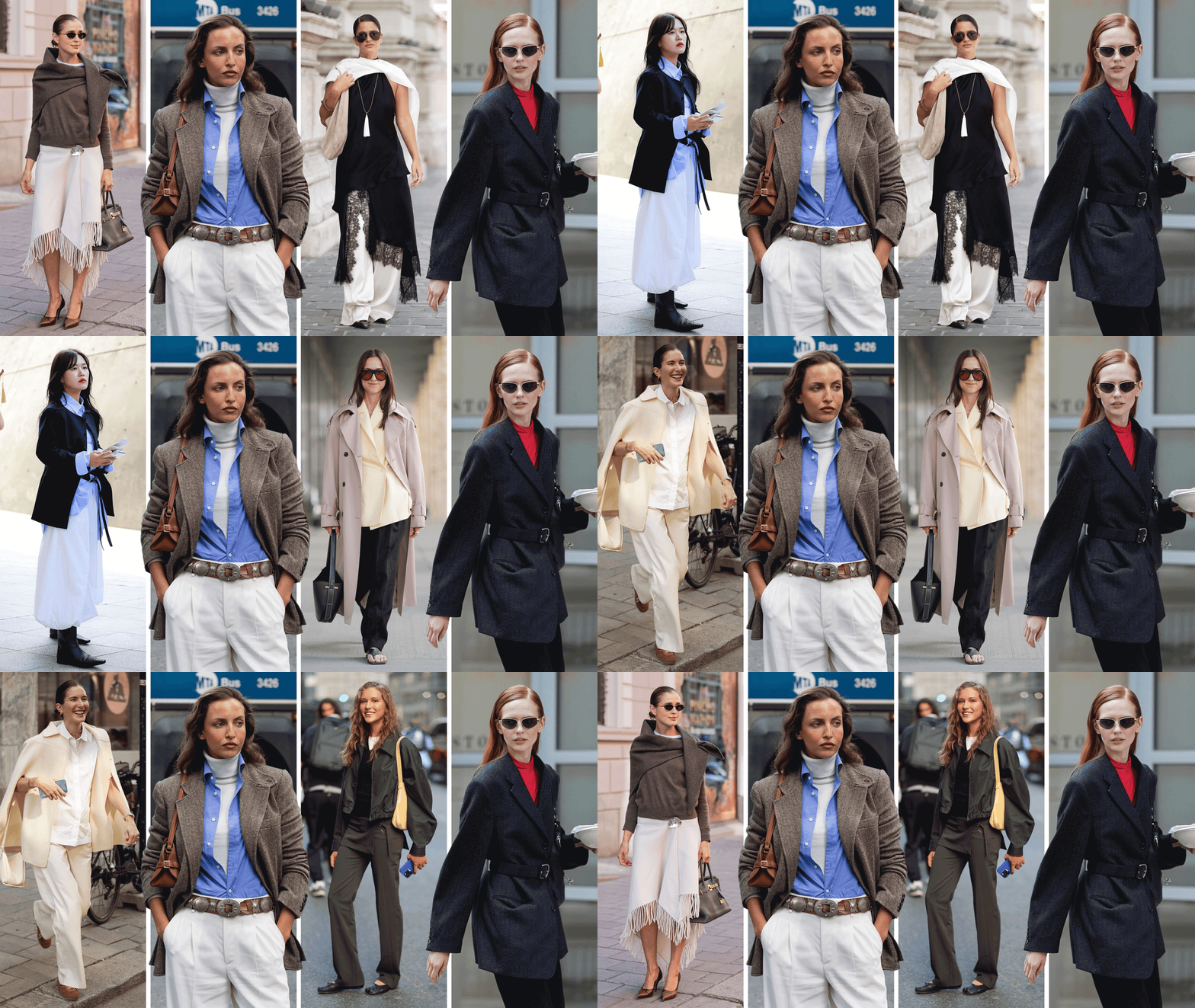
At the heart of this recalibration is a decisive pivot toward layering and practicality. Rather than discarding winter pieces entirely, the modern spring wardrobe builds upon them. Lightweight sweaters, trench coats, and transitional outerwear become essential tools in navigating unpredictable weather. The emphasis is not on replacing garments but on reimagining how they are worn, a strategy increasingly highlighted across layering trends in contemporary fashion.
“A lot of spring is really about having an array of great jackets,” Dougherty notes, underscoring the central role of outerwear in this seasonal transition.
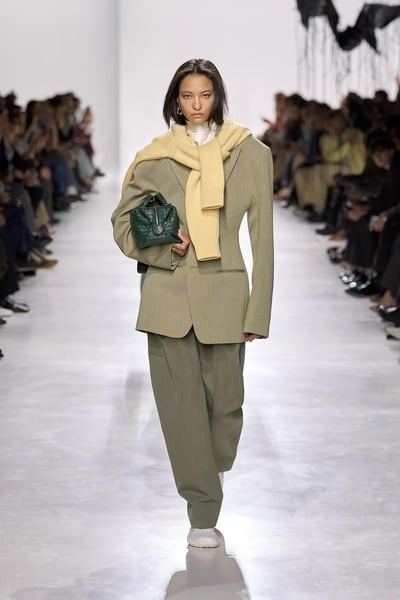
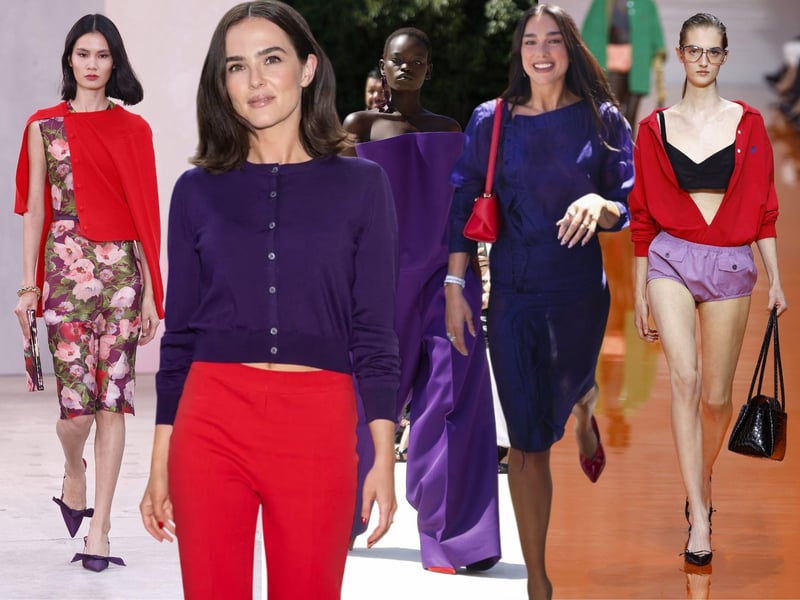
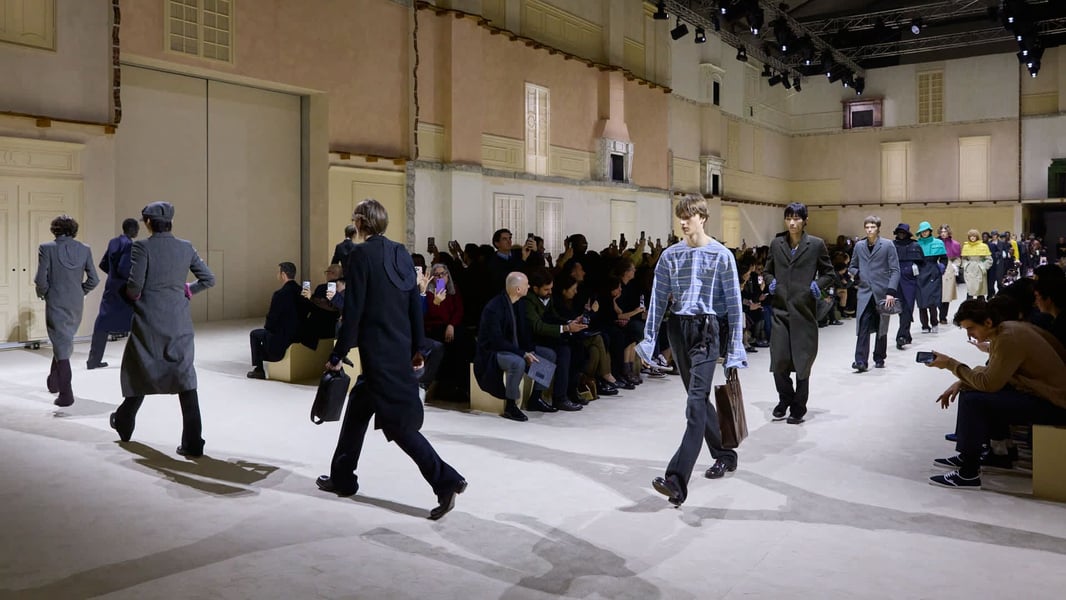
Historically, fashion cycles have been driven by seasonal extremes: heavy layering in winter, minimalism in summer. But spring, long considered a transitional afterthought, is emerging as a season of strategic dressing. It demands adaptability. It rewards thoughtfulness. And increasingly, it favors restraint, as seen across spring 2026 collections.
This restraint is evident in the growing popularity of capsule wardrobes, collections of essential, interchangeable pieces designed for maximum versatility. For Dougherty, this philosophy manifests in a wardrobe built around key staples: crisp button-down shirts, tailored blazers, high-quality knitwear, and carefully selected outerwear. These ideas echo across discussions of elevated basics that emphasize longevity over trend cycles.
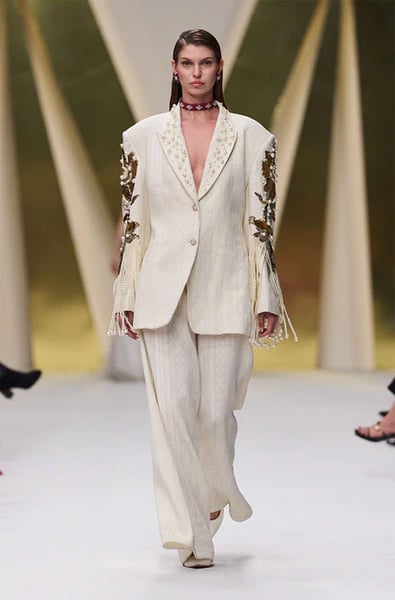
Brands play a role in this narrative, but not in the way they once did. The emphasis is less on logos and more on craftsmanship, silhouette, and fabric. Pieces are valued for their ability to integrate seamlessly into a cohesive wardrobe rather than stand out as one-season statements.
Take, for example, the resurgence of the blazer. Once associated with corporate rigidity, it is being reimagined as a versatile, everyday essential. Dougherty herself admits to having previously avoided blazers for fear of appearing “too serious,” only to now embrace them as her style evolves.
This evolution speaks to a broader cultural shift. As individuals move through different stages of life, their relationship with clothing changes. What once felt restrictive begins to feel empowering. What once seemed basic reveals its depth through repeated wear.
The same can be said for knitwear, another cornerstone of the modern spring wardrobe. Lightweight V-neck sweaters, often made from sustainable or recycled materials, offer both comfort and sophistication. Their appeal lies not in novelty but in nuance, the way they drape, the way they layer, the way they age over time.
Layering itself becomes a form of expression. A silk tank beneath a sheer long-sleeve top, paired with a tailored skirt or relaxed trousers, creates a look that is both deliberate and effortless. It is a styling approach rooted in subtlety, where each piece contributes to the whole without overwhelming it.
This emphasis on layering and repetition challenges long-held assumptions about fashion consumption. For decades, the industry has thrived on the idea of constant change, the need to buy new, to stay current, to keep up. But as Dougherty’s essay suggests, there is growing fatigue with this model.
Instead, there is a turn toward what might be called “uniform dressing,” a concept she has explored in previous writing. The idea is simple: identify a set of pieces that work, and wear them consistently, with slight variations. It is a philosophy that prioritizes efficiency without sacrificing style.
Uniform dressing is not about monotony. It is about clarity. It removes the daily friction of decision-making and replaces it with confidence. In a world saturated with options, that clarity can be liberating.
The appeal of this approach is amplified by broader societal trends. The rise of remote work, the blending of professional and personal spaces, and the increasing emphasis on sustainability have all contributed to a reevaluation of how and why we dress.
Fashion, in this context, becomes less about external validation and more about internal alignment. It is a tool for navigating daily life, not just a means of self-expression.
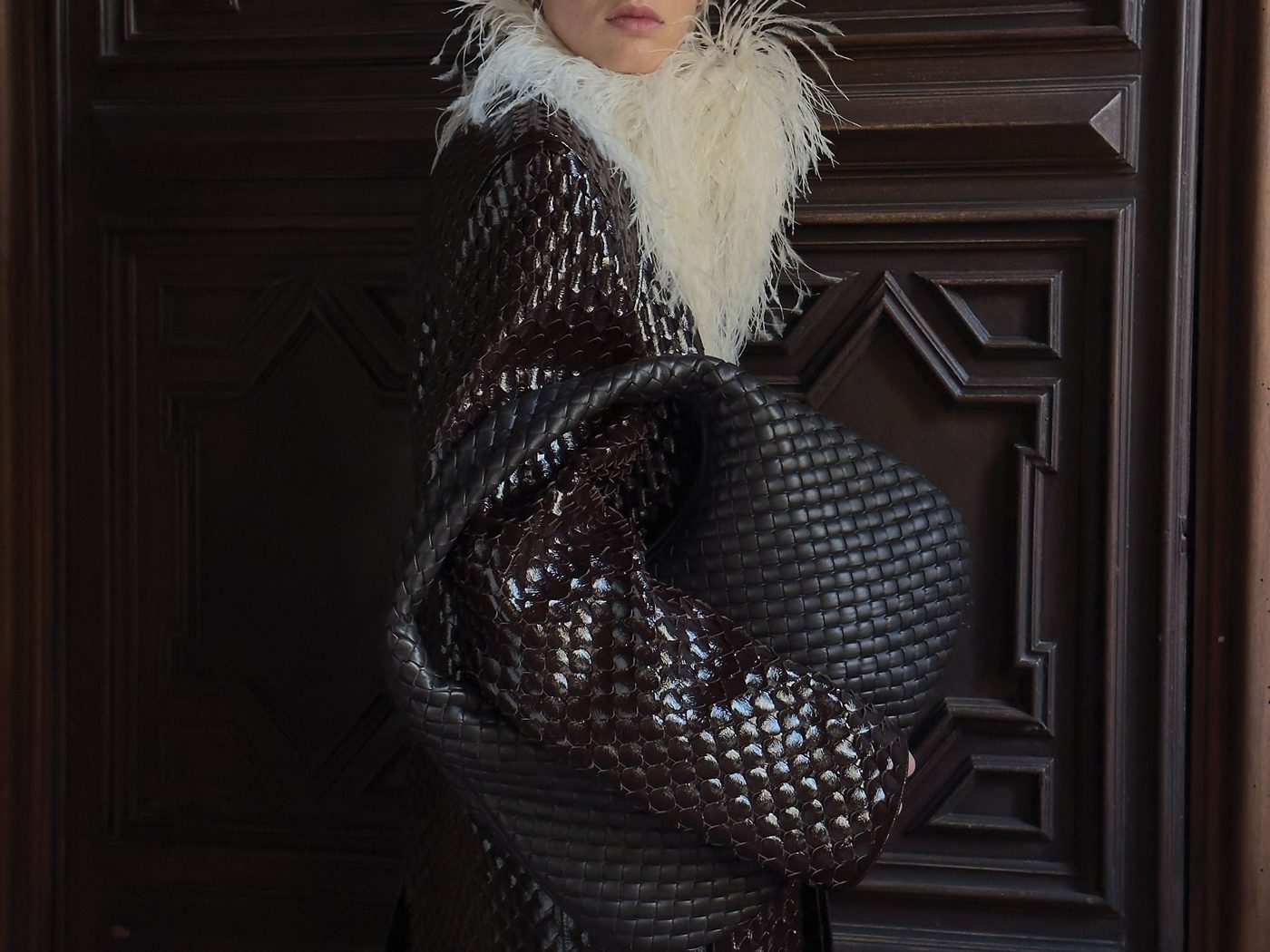
This does not mean that bold or experimental pieces are disappearing. On the contrary, moments of expressive dressing continue to emerge within structured wardrobes, adding contrast without disrupting cohesion.
Even footwear reflects this balance between practicality and expression. The resurgence of ballet flats and refined everyday shoes speaks to a desire for comfort without compromising style. These are pieces designed for movement, for daily life, for real-world use.
The result is a wardrobe that feels both modern and timeless. It is not tied to a specific moment or trend. It evolves gradually, shaped by personal experience rather than external pressure.
This evolution is perhaps the most significant aspect of the current fashion landscape. It suggests a shift in power, from industry to individual, from trend forecasters to everyday wearers.
In this new paradigm, the question is no longer “What is in style?” but “What works for me?”
The answer, increasingly, lies in elevated basics. In pieces that can be worn again and again, in different combinations, across different contexts. In clothing that supports rather than dictates.
As spring 2026 approaches, this philosophy is likely to gain further traction. The unpredictability of global markets and the changing nature of consumption continue to reshape expectations, reinforcing the relevance of adaptable wardrobes built on enduring principles.
Fashion, once defined by speed and excess, is slowing down. It is becoming more thoughtful, more deliberate, more aligned with the realities of modern life.
Grace O’Neill Dougherty’s wardrobe shift is not an isolated case. It is part of a broader transformation, one that is redefining how individuals engage with clothing and how the industry itself responds.
In the end, the message is clear. The future of fashion is not about having more. It is about choosing better.