
The language of a “cure” in HIV research has always been treated with suspicion—almost taboo. Yet the case now emerging from Oslo is forcing the scientific establishment to confront an uncomfortable possibility: that what was once considered a medical impossibility may be inching toward reality, albeit in a form too extreme to scale.
A 63-year-old man, identified only as the “Oslo patient,” is now in what researchers cautiously describe as sustained remission following a stem cell transplant from his brother—who carries a rare genetic mutation that blocks HIV from entering cells. The findings, published in Nature Microbiology, have electrified the global scientific community while simultaneously reinforcing the brutal limits of current cure strategies.
For now, the headline is deceptively simple: five years after undergoing a bone marrow transplant and more than three years after stopping antiretroviral therapy, the patient shows no detectable HIV anywhere in his body—not in blood, not in gut tissue, not even in the immune cells where the virus typically hides.
But beneath that breakthrough lies a far more complex—and unsettling—reality.
A Cure Built on a Medical Gamble
The Oslo case follows a pattern first seen in the so-called Berlin and London patients—rare individuals who also achieved long-term HIV remission after receiving stem cell transplants from donors with the CCR5Δ32 mutation. This genetic anomaly effectively shuts the door HIV uses to infiltrate immune cells.
In Oslo, the twist is both intimate and statistically improbable: the donor was the patient’s own sibling. That coincidence, scientists say, is “like winning the lottery twice,” a phrase now echoing across medical literature and media coverage.
The transplant itself was not designed to cure HIV. It was a last-resort treatment for a life-threatening blood cancer. Hematopoietic stem cell transplantation—a procedure that essentially wipes out and rebuilds the immune system—remains one of the most dangerous interventions in modern medicine, carrying mortality risks that can reach 10–20 percent within a year.
In this case, the patient endured severe graft-versus-host disease, a condition in which donor immune cells attack the recipient’s body. Ironically, this violent immune reaction may have helped eliminate hidden HIV reservoirs, effectively purging the virus from its last strongholds.
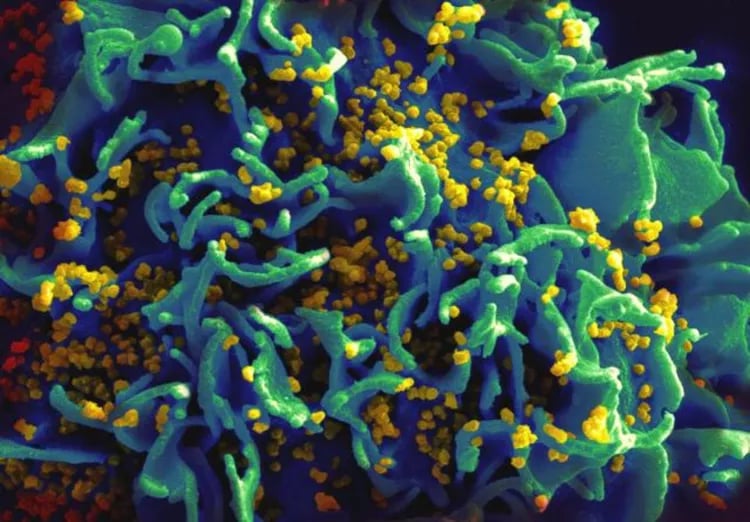
The Vanishing Virus
What makes the Oslo case particularly striking is not just the absence of HIV—but the absence of the body’s memory of it.
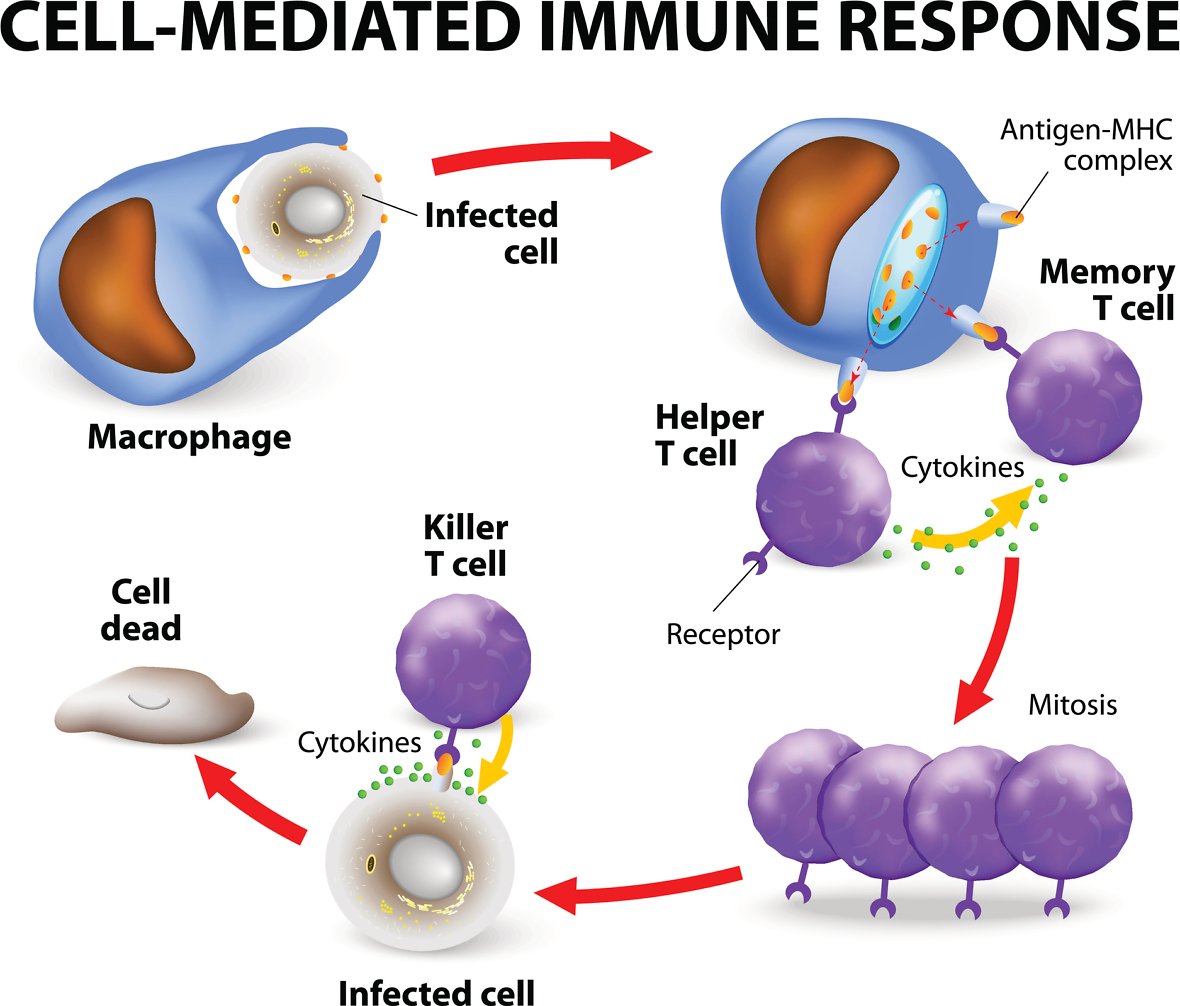
Researchers report that the patient’s immune system no longer recognizes HIV at all. T cells, which normally respond aggressively to the virus, show no activity. Antibodies have faded. It is as if the infection never existed.
That absence correlates with sustained remission, a finding that is now drawing intense scrutiny from virologists and immunologists alike.
The implications are profound. If HIV can be erased not just biologically but immunologically, it suggests a pathway toward what researchers call a “functional cure”—a state in which the virus is either eliminated or permanently suppressed without medication.
A Breakthrough That Changes Everything—And Nothing
Yet the triumph is sharply constrained.
Globally, more than 39 million people live with HIV. Fewer than a dozen have ever achieved long-term HIV remission through stem cell transplants.
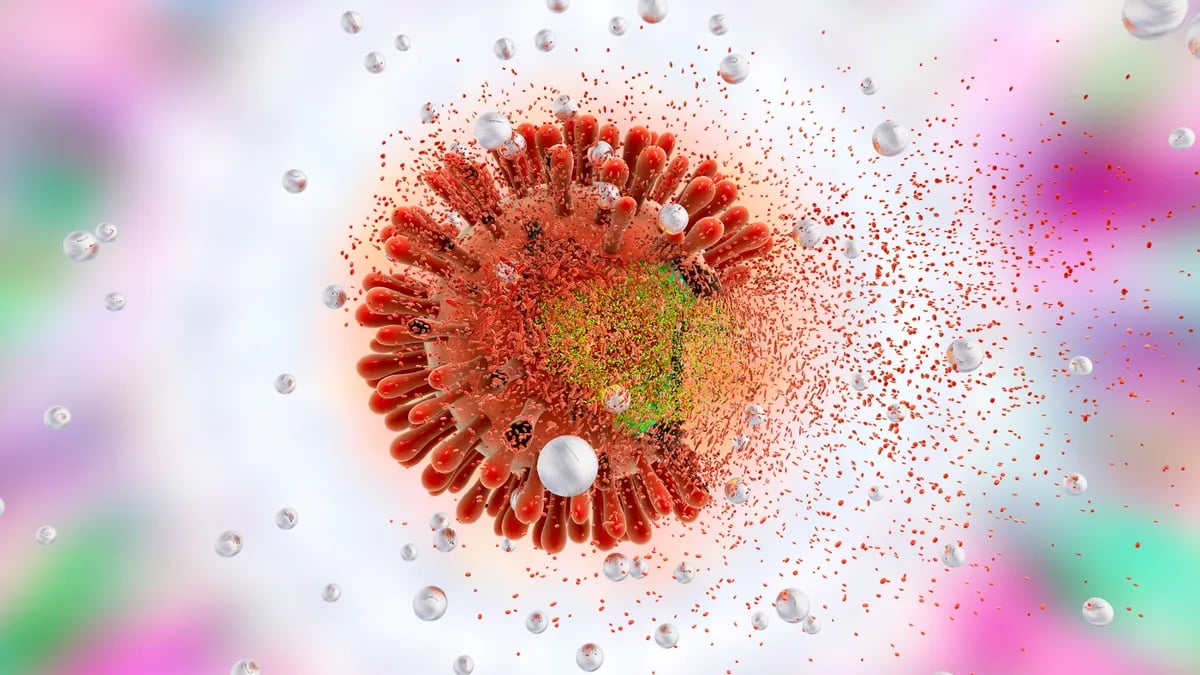
Even within that narrow cohort, success depends on an extraordinary convergence of factors—finding a donor with the rare CCR5Δ32 mutation, achieving full immune-system replacement, and surviving the procedure itself.
In short, the Oslo patient represents not a template, but an exception.
Science at a Crossroads
Still, exceptions have a way of reshaping paradigms.
Each new remission case adds to a growing body of evidence that HIV is not invincible. It can be cornered, suppressed, and under the right conditions, possibly eliminated. The Oslo case becomes the latest data point in a lineage that began with the Berlin patient in 2009 and now counts roughly ten individuals worldwide.
What matters now is translation—how to extract the underlying biological mechanisms and replicate them without the brutality of transplantation. Researchers are already exploring advanced immune cell therapies, including stem cell transplant-adjacent innovations, gene-editing technologies, and targeted drugs designed to mimic the CCR5 mutation’s effects without requiring a donor.
The Oslo case, in that sense, is less a cure than a blueprint—an imperfect, dangerous, but undeniably real proof of concept.
The Verdict: Breakthrough or Mirage?
So is this the long-awaited HIV cure?
Not quite.
What Oslo offers is something more nuanced and, arguably, more valuable: clarity. It confirms that HIV can be eradicated under specific conditions. It exposes the mechanisms that make that possible. And it underscores, with uncomfortable precision, just how far science still has to go.
The narrative, then, is neither triumph nor illusion—but tension.
A cure exists. But for now, it remains locked behind a procedure so extreme that it borders on the unthinkable.
And until that changes, the Oslo patient stands as both a milestone—and a warning.
Related Posts