
Blackmagic Design has long been synonymous with high-end color grading in Hollywood. But with the release of DaVinci Resolve 21, the company is now making its boldest attempt yet to disrupt a completely different segment of the creative industry: photo editing.
The latest update introduces a dedicated Photo page, marking a significant evolution for software traditionally known for video editing. With native RAW support, AI-powered tools, and seamless integration into existing workflows, Resolve 21 is no longer just competing with video tools like Premiere Pro—it is directly challenging Adobe’s dominance in photography.
At the heart of this transformation is the new Photo page, which allows users to import, organize, and edit still images within the same environment used for video production. Photographers can now rate, tag, and sort images while applying advanced color grading techniques that were once reserved for cinema workflows. The feature includes AI-powered search, masking tools, and support for formats like JPEG, HEIC, and RAW files from major camera brands.
Unlike traditional photo editors, Resolve 21 leverages its node-based workflow—widely used by professional colorists—to bring a new level of flexibility to still image editing. Users can stack adjustments, apply parallel corrections, and reuse grading nodes across entire photo collections, enabling far more complex edits than typical layer-based systems.
Crucially, the software now supports RAW files from major camera manufacturers, including Sony, Nikon, Canon, and Fujifilm. This ensures photographers can work directly with high-quality source files without compromising image integrity, a key requirement for professional workflows.
Resolve 21 also introduces non-destructive editing, allowing users to reframe, crop, and adjust images while preserving the original data. Combined with GPU-accelerated processing and batch exports, the software can handle large volumes of high-resolution images with remarkable speed—an essential feature for professionals working under tight deadlines.
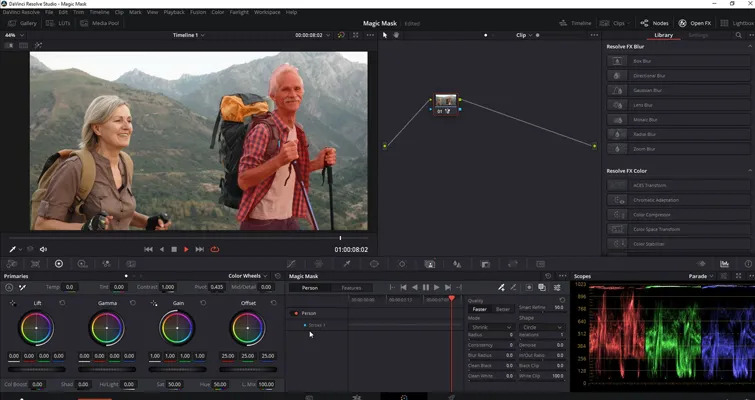
Artificial intelligence plays a central role in this update. AI-powered tools like Magic Mask and UltraSharpen extend capabilities previously limited to video into still photography, enabling one-click subject isolation and enhanced image clarity.
Another notable addition is tethered shooting support for Sony and Canon cameras. Photographers can connect their cameras directly to Resolve, adjust settings such as ISO and white balance in real time, and preview images instantly—effectively turning the software into both a capture and editing solution.
Resolve 21 further strengthens its appeal with collaborative capabilities through Blackmagic Cloud, allowing teams to work on the same project simultaneously. This integrated approach is particularly valuable for studios handling both video and photography workflows under one roof.
Perhaps the most disruptive aspect of this release is its pricing model. While Adobe’s ecosystem relies heavily on subscription-based plans, DaVinci Resolve continues to offer a robust free version alongside a one-time paid upgrade. This positions it as a compelling option for creatives seeking to reduce recurring costs without sacrificing professional-grade tools.
The timing of this release is significant. As creatives increasingly demand unified workflows that bridge video and photography, Resolve 21 positions itself as an all-in-one solution. By eliminating the need to switch between multiple applications, it promises greater efficiency and consistency across projects.
Still, the transition may not be seamless for everyone. Adobe’s Lightroom remains deeply entrenched in the photography community, with years of refinement and a vast ecosystem of presets and integrations. Resolve’s node-based system, while powerful, may present a learning curve for users accustomed to more traditional interfaces.
Yet the momentum appears to be shifting. With its expanding feature set and aggressive pricing strategy, DaVinci Resolve 21 is no longer just a video tool—it is emerging as a serious contender in the broader creative software landscape.
The update could reshape workflows for creatives searching for advanced photo editing alternatives and seamless post-production integration.