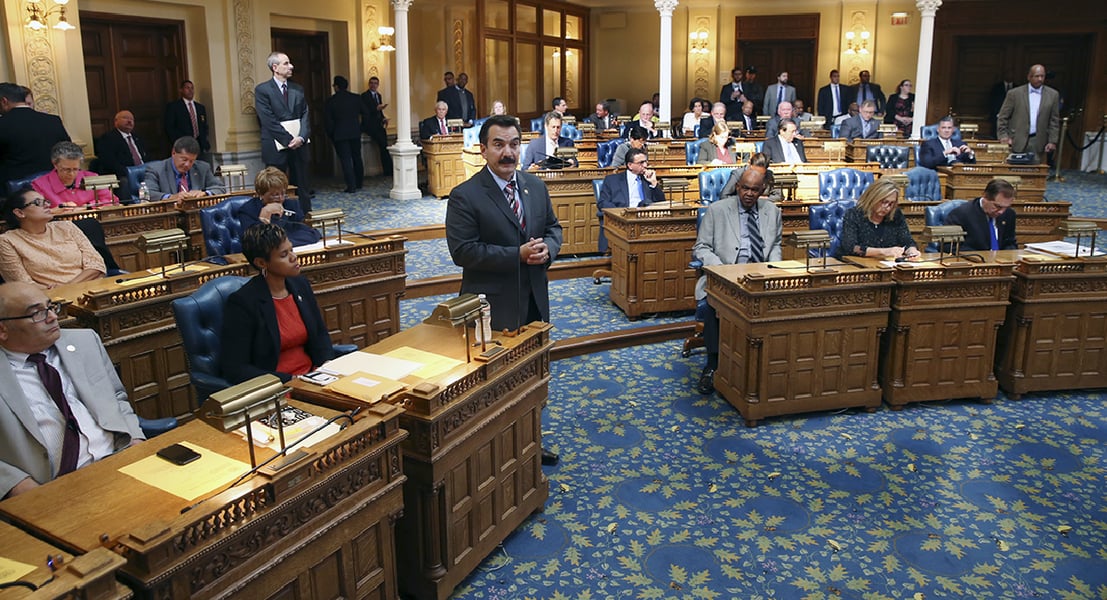

The vote came without spectacle, but its consequences were unmistakable. Inside Nebraska’s singular, one-house legislature, a proposal tied to the expansion of gambling beyond existing casino structures failed to advance, exposing a fracture that has been building quietly for years. What appeared, on paper, to be a technical policy question, whether to extend betting access beyond racetrack-based casinos, has instead evolved into a broader confrontation over money, governance, and the limits of state-sanctioned gambling.
At the center of the dispute is a rapidly expanding casino industry that, as Nebraska’s shift toward casino gambling has intensified debate over regulation and expansion, did not exist in its current form just a few years ago. Voters approved casino gambling in 2020, allowing it at licensed racetracks, a move that transformed the state’s economic and political landscape almost overnight.
Yet the proposal rejected by lawmakers sought to push that expansion further, beyond the physical boundaries of casinos and into a more diffuse, statewide betting ecosystem. Supporters framed the effort in familiar economic terms: lost revenue, competition with neighboring states, and the argument that Nebraskans are already gambling, just elsewhere. Lawmakers and industry advocates have warned that expanded sports gambling in Nebraska faces an uphill legislative battle, with high vote thresholds and persistent opposition slowing progress.
Opponents, however, have drawn a sharper line. For them, the question is no longer whether gambling should exist, voters have already answered that, but how far the state should go in embedding it into daily life. Expanding access beyond casinos, critics argue, would fundamentally alter the nature of gambling in Nebraska, shifting it from a contained activity into something far more pervasive and difficult to regulate.
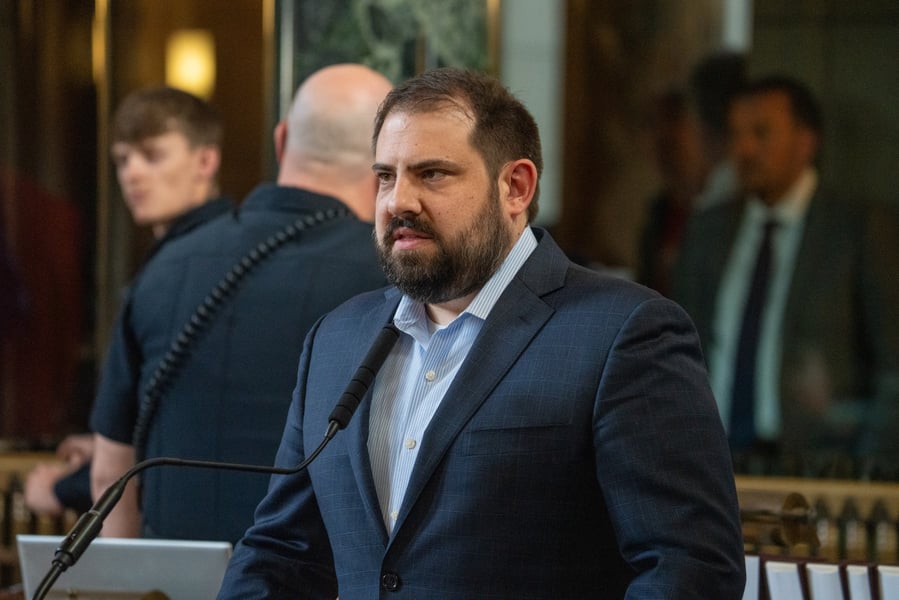
Several lawmakers have warned that moving beyond casino-based betting risks normalizing a system in which revenue depends disproportionately on losses incurred by residents. Critics have pointed to patterns seen elsewhere, where lawmakers have moved to roll back online betting after rising gambling harm concerns, highlighting the social costs tied to rapid expansion.
The concerns extend beyond public health into the structure of the industry itself. Increasingly, the US gambling model has faced growing criticism over exploitation risks, particularly around aggressive marketing and the concentration of revenue among high-frequency users.
Supporters counter that the current system is already inconsistent. Sports betting, for example, is legal inside Nebraska casinos but not on mobile devices, creating what they describe as an artificial barrier that benefits neighboring states. Policymakers continue to debate how to resolve that gap, as lawmakers are weighing online betting proposals tied to tax revenue and regulation, including frameworks that could significantly expand the market.
But that argument has failed, at least for now, to persuade a critical mass of senators. The rejection of the proposal reveals a Legislature that is not simply divided along partisan lines, but along more complex ideological and geographic ones.
Underlying the debate is a deeper unease about the speed at which Nebraska’s gambling landscape has changed. In just a few years, the state has gone from prohibiting casinos entirely to operating multiple racino-style facilities, with further expansion under consideration.
It has also raised questions of trust. In other cases, misleading casino promotions have raised concerns about transparency and fairness, adding another layer of scrutiny to an industry already under political pressure.
The failure of the latest proposal suggests that, for now, the Legislature is unwilling to move as quickly as the industry would prefer.
But the pressure is already building again. Casino operators and national betting platforms continue to push for expansion, including efforts to take the issue directly to voters. Neighboring states, meanwhile, have already embraced more expansive models, intensifying the competitive argument that has become central to the debate.
What emerges is not a simple policy disagreement, but a fundamental question about the role of the state itself.
Should Nebraska treat gambling as a limited, regulated activity tied to specific locations, a compromise reached with voters in 2020, or as a broader economic engine to be expanded in pursuit of revenue and competitiveness?
For now, lawmakers have chosen restraint. But the underlying forces, economic incentives, regional competition, and industry pressure, remain firmly in place. And as those forces continue to build, the question that divided the Legislature this week is likely to return, sharper and more consequential than before.