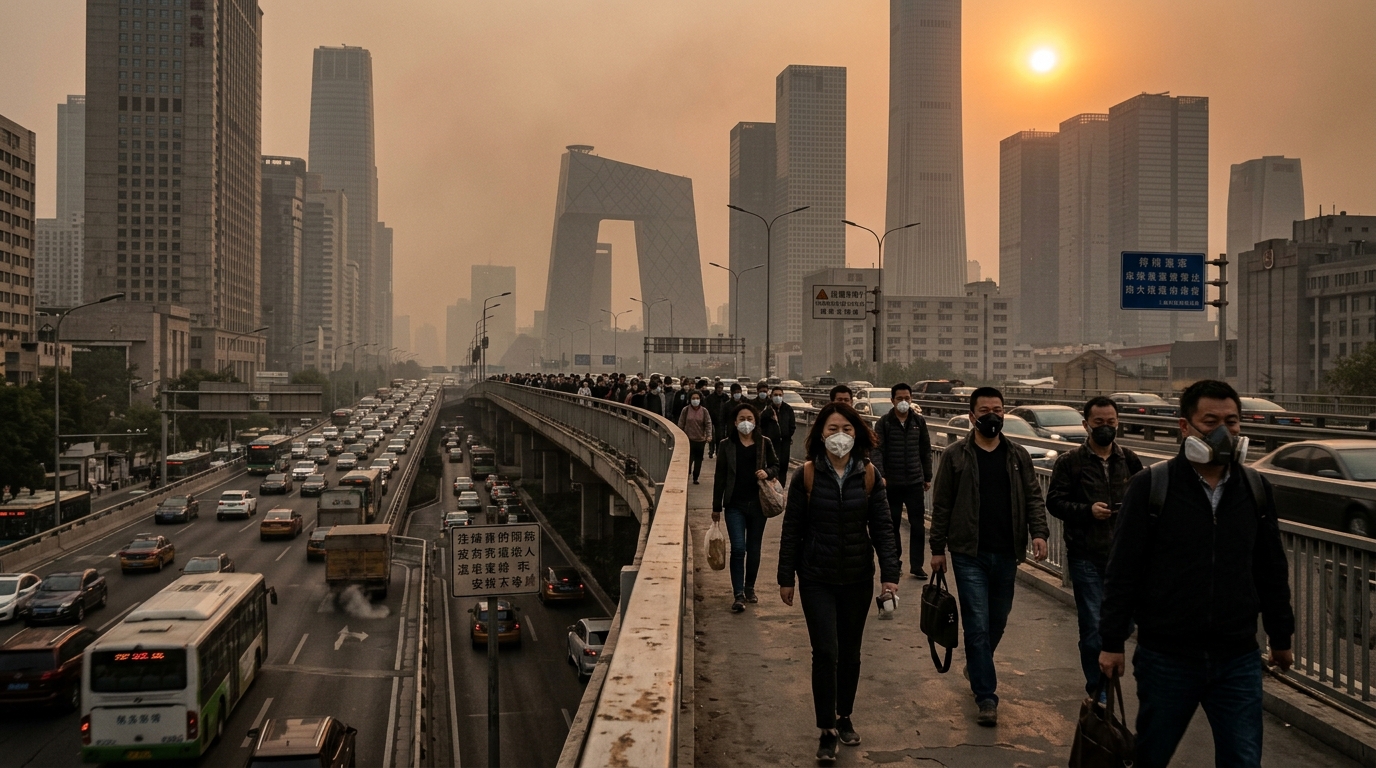

The framing of climate change as a distant environmental concern has collapsed under the weight of reality. What is unfolding now is not theoretical, not gradual, and certainly not contained within polar ice sheets or remote ecosystems. It is a direct, measurable, and accelerating assault on human health.
Across continents, hospitals are registering patterns that were once considered anomalies. Heatwaves are sending vulnerable populations into emergency care with dehydration, cardiovascular stress, and organ failure. Air pollution is tightening its grip on urban populations, embedding itself deep in lung tissue and bloodstream. Infectious diseases are expanding their geographic reach, riding shifting climate patterns into regions previously untouched.
This is not environmental degradation in isolation. It is systemic biological disruption.
The World Health Organization has repeatedly warned that climate change represents one of the most significant threats to global health in the 21st century. That warning now reads less like a projection and more like a diagnosis. The symptoms are already visible: rising mortality linked to heat exposure, worsening respiratory conditions, and an expanding burden of chronic disease.
At the center of this crisis lies temperature.
Global warming is extending heat seasons and intensifying their peaks. Urban areas, dense with concrete and asphalt, are transforming into heat traps—“urban heat islands”—where temperatures can soar several degrees higher than surrounding regions. For those without access to cooling infrastructure, the consequences are immediate and often fatal.
But heat is only one vector.

The interaction between climate change and air pollution is not coincidental; it is synergistic. Warmer temperatures accelerate chemical reactions in the atmosphere, increasing the formation of ground-level ozone—a key component of smog. At the same time, stagnant air conditions trap pollutants closer to the surface, intensifying exposure.
The result is a feedback loop that is steadily eroding public health.
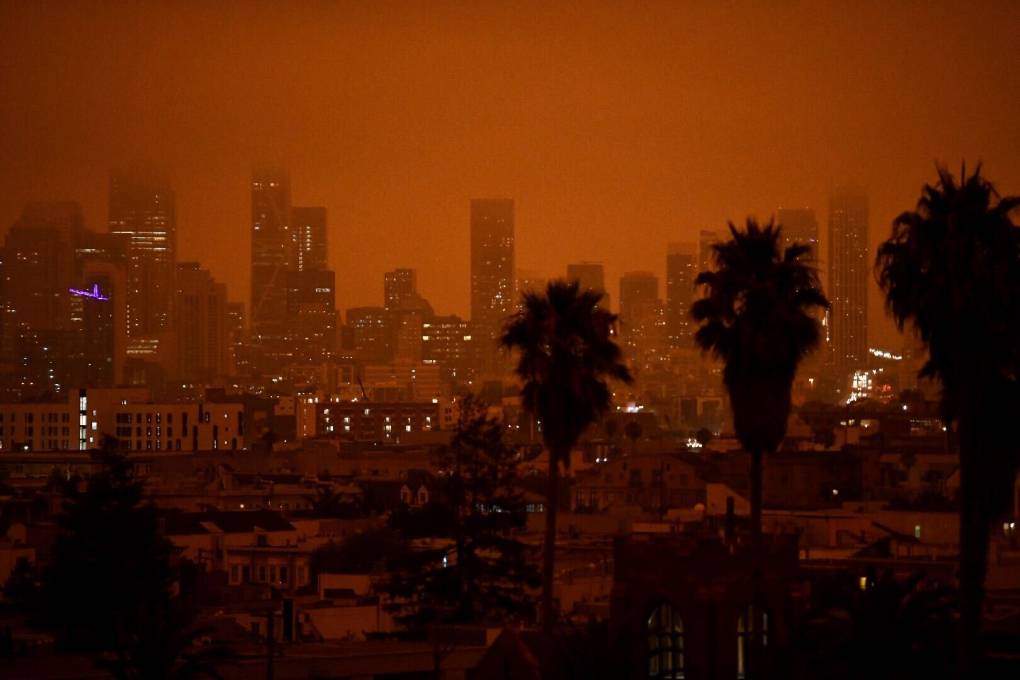
Extreme weather events are further compounding the crisis. Wildfires, fueled by prolonged droughts and rising temperatures, are releasing vast quantities of smoke and toxic particles into the atmosphere. These emissions do not remain localized; they travel across regions, exposing millions to hazardous air quality.
Meanwhile, the geography of infectious disease is shifting.
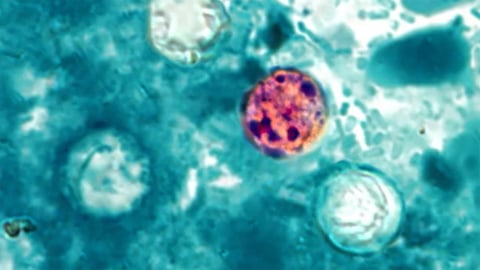
Warmer climates are enabling disease-carrying vectors—mosquitoes, ticks, and other organisms—to expand their range. Diseases once confined to tropical regions are appearing in temperate zones, challenging healthcare systems unprepared for their arrival. This is not a distant scenario; it is already being documented in multiple regions.
The burden of this transformation is not evenly distributed.
Low-income communities, often located in high-risk areas with limited infrastructure, are disproportionately affected. Limited access to healthcare, poor housing conditions, and higher exposure to environmental hazards amplify vulnerability. Climate change, in this sense, is not just a health crisis—it is an inequality multiplier.
Children and the elderly face heightened risk. Developing immune systems and preexisting health conditions make these groups particularly susceptible to environmental stressors. For children, early exposure to polluted air and extreme temperatures can have lifelong consequences, shaping respiratory health and overall development.
Despite the mounting evidence, policy responses remain fragmented and, in many cases, insufficient. Climate mitigation efforts are often framed in economic or political terms, sidelining the immediate human cost. Healthcare systems, meanwhile, are left to absorb the consequences without addressing the root causes.
The emerging consensus among scientists and public health experts is clear: addressing climate change is no longer optional within the context of healthcare. It is foundational. Reducing emissions, improving air quality, and investing in resilient infrastructure are not just environmental strategies—they are public health interventions.
The language must evolve accordingly.
This is not about saving the planet in abstract terms. It is about protecting human life in concrete, measurable ways. Every fraction of a degree in temperature rise carries with it a cascade of health implications—some immediate, others unfolding over decades.
What makes the current moment particularly alarming is the trajectory.
Without significant intervention, the intensity and frequency of climate-related health impacts are expected to escalate. Heatwaves will become more severe, air quality will continue to deteriorate in many regions, and the spread of infectious diseases will accelerate. The systems designed to protect public health will face increasing strain.
There is no longer a meaningful distinction between environmental policy and health policy. They are the same conversation.
The notion that climate change is a future problem has been overtaken by events. It is present, pervasive, and personal. It is in the air people breathe, the water they drink, and the temperatures their bodies must endure.
The crisis is no longer approaching.
It has arrived.
Related Posts