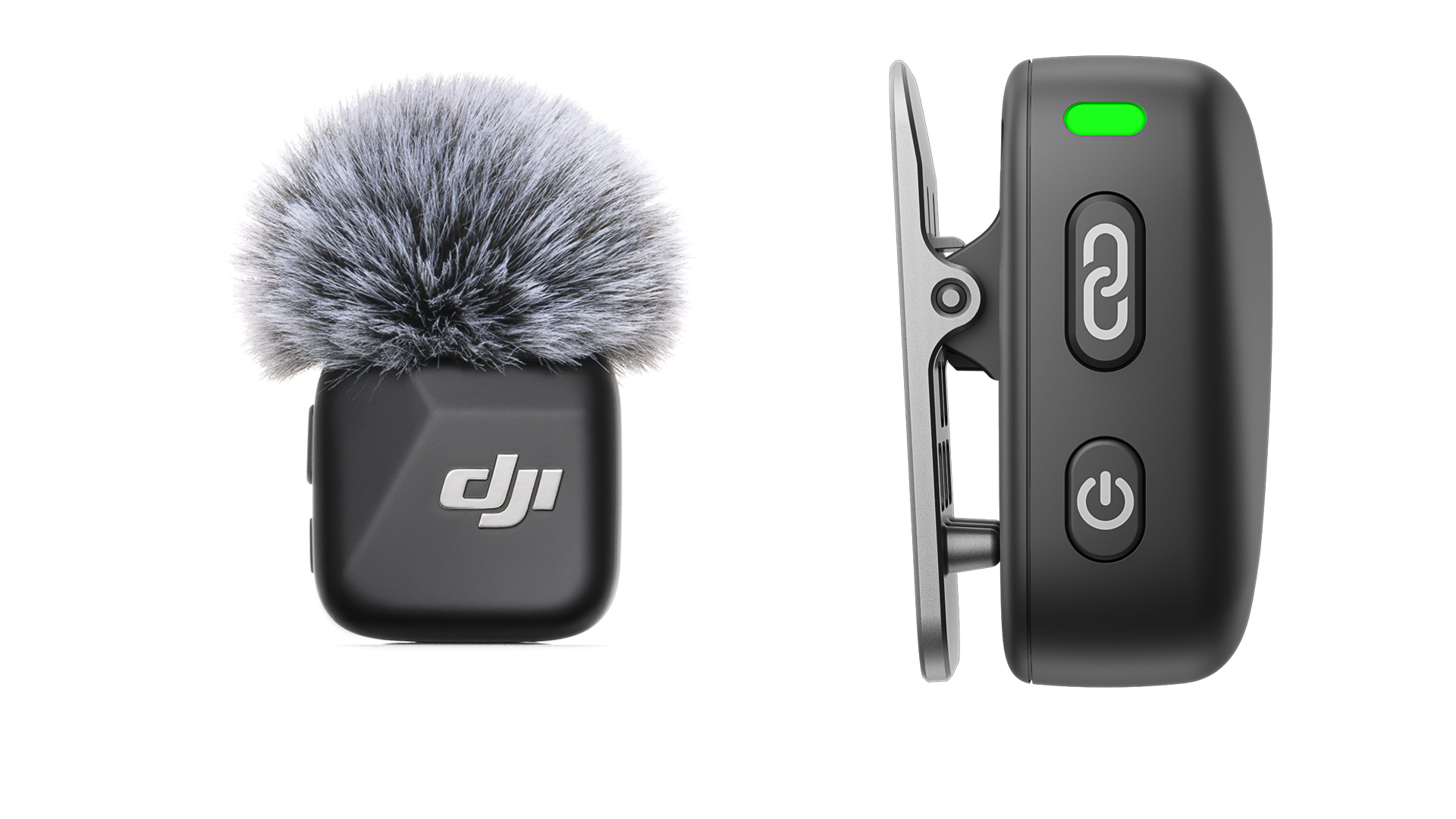

The DJI Mic Mini 2 arrives as a compact wireless microphone system that reflects a broader shift in creator-focused hardware, where portability, aesthetics, and ecosystem convenience matter as much as raw technical upgrades. Rather than introducing a dramatic overhaul, DJI has refined its entry-level audio lineup for vloggers, mobile filmmakers, and social media creators who value speed and simplicity in production workflows.
The launch comes at a time when creator tools are increasingly defined by seamless integration rather than isolated performance gains. DJI’s strategy appears focused on incremental improvement, reinforcing its ecosystem of compact cameras and audio accessories that work together across devices.
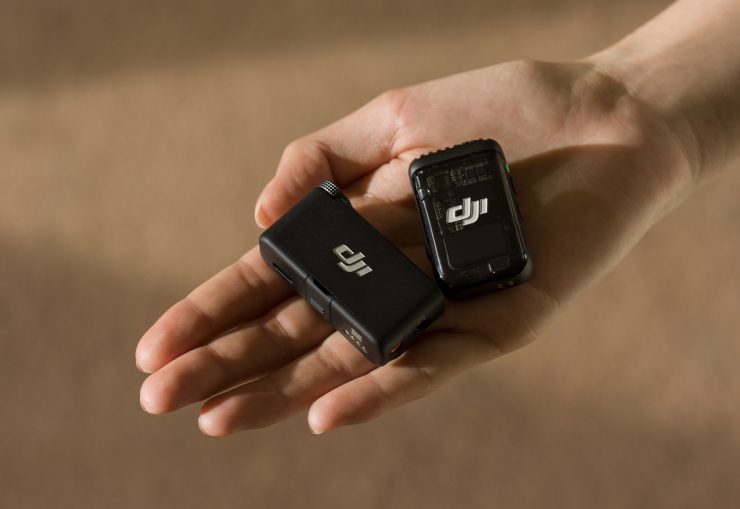
A key highlight of the Mic Mini 2 is its design flexibility. The system introduces interchangeable magnetic covers in multiple color options, allowing creators to personalize their gear for branding or on-camera visibility. This shift reflects a wider industry trend where equipment is no longer hidden off-camera but becomes part of the visual identity of content itself.
Technically, the device continues to deliver high-resolution wireless audio capture with dual-level noise reduction and automatic gain control for unpredictable environments. The transmitters remain extremely lightweight, designed to be nearly invisible when clipped onto clothing, making them ideal for travel, interviews, and street content creation.
Similarly, Mashable article DJI Mic Mini 2 announced frames the device as part of DJI’s broader push toward mobile-first creators who prioritize affordability and convenience over studio-grade complexity.
One of the most notable aspects of the launch is pricing. DJI has positioned the Mic Mini 2 at a significantly lower entry point compared to many competing wireless microphone systems, targeting new creators entering short-form video platforms and digital storytelling spaces.
Performance reviews from Engadget DJI Mic Mini 2 review suggest that while the system is not intended for professional studio production, it delivers strong results for everyday content creation, particularly in terms of usability and portability.
The Mic Mini 2 also fits into DJI’s expanding ecosystem strategy, which connects cameras, audio devices, and mobile production tools. Devices like DJI Osmo Pocket 4 demonstrate how the company is building a unified content creation environment that reduces friction between shooting and publishing.
At a broader industry level, advances in voice AI systems and automated audio processing are reshaping expectations for sound quality in consumer devices. Features like tone presets and noise optimization in the Mic Mini 2 reflect this shift toward software-enhanced audio performance.
The creator economy continues to drive demand for faster production tools. Platforms centered around modern content creation tools are influencing how hardware manufacturers design products that reduce editing time and simplify workflows.
Meanwhile, AI-driven media systems such as AI-powered systems show how automation is increasingly embedded into digital tools, further influencing expectations for intelligent features even in entry-level hardware.
Audio remains central to digital storytelling, and comparisons across high-end consumer devices continue to shape expectations for clarity and consistency. Broader discussions around audio performance optimization highlight how sound quality benchmarks continue to rise across all segments of consumer technology.
Despite its improvements, the Mic Mini 2 is not positioned as a professional recording solution. Instead, it focuses on accessibility, reliability, and ease of use, making it more suitable for creators who prioritize speed over complex audio engineering workflows.
Independent reviews from outlets such as CineD emphasize its lightweight design and ecosystem compatibility, reinforcing its role as a modular component within DJI’s broader creative toolkit.
Ultimately, the DJI Mic Mini 2 reflects a measured evolution rather than a breakthrough. DJI is not attempting to redefine wireless audio, but to refine it for a generation of creators who expect professional-grade convenience in compact, affordable devices.
As content creation continues to evolve into a faster and more visually integrated medium, devices like the Mic Mini 2 suggest a future where technical specifications matter less than how seamlessly tools fit into the creative process itself.