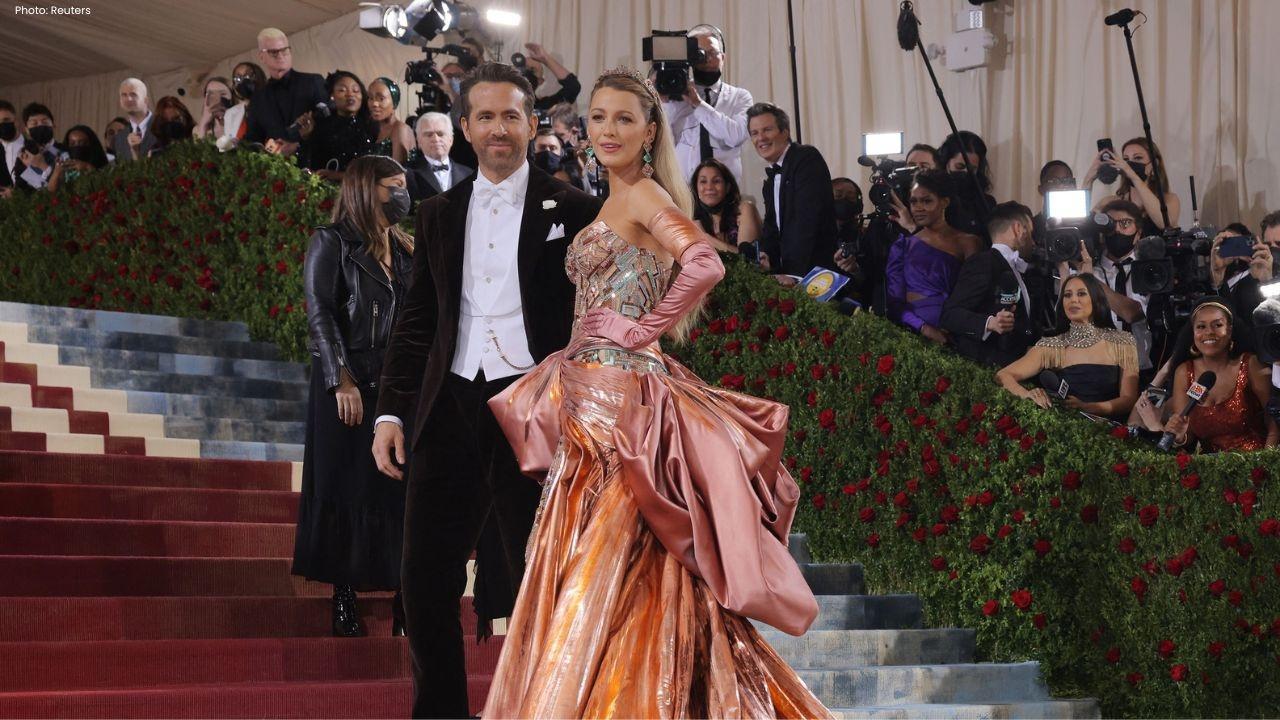

Blake Lively returned to the Met Gala this week in dramatic fashion, but it was not just her sweeping Atelier Versace gown that dominated the internet. A short viral clip from the red carpet has now triggered a fierce social media debate over celebrity behavior, image management, and the increasingly brutal culture of online scrutiny.
The actress, making her first Met Gala appearance since 2022, arrived at New York’s Metropolitan Museum of Art in a pastel archival Versace design featuring a massive 13-foot train inspired by Venetian Rococo art. The look was immediately hailed by fashion outlets as one of the evening’s standout moments. Blake Lively’s 13-foot Atelier Versace gown quickly became one of the most discussed fashion moments of the night.
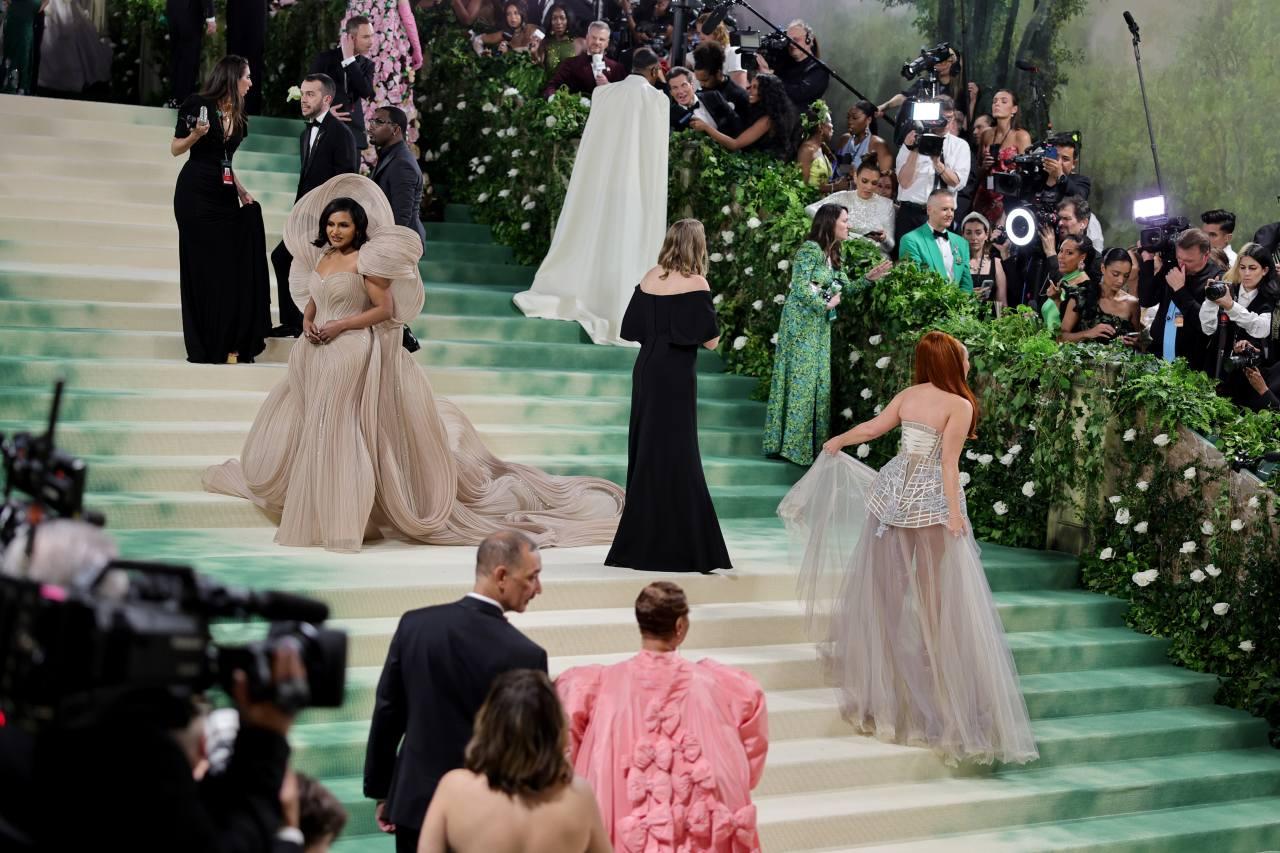
A backstage-style video circulating widely across TikTok, X, Instagram, and entertainment blogs showed Lively directing assistants and members of her entourage as they adjusted the train of her dress on the Met steps. The viral video of Blake Lively at the Met Gala spread rapidly across social media platforms, turning a brief interaction into a global talking point.
The reaction online quickly split into opposing camps.
Critics accused the “It Ends With Us” star of displaying what some users described as “mean girl energy,” with detractors claiming her tone toward staff appeared cold or overly controlling. Several viral posts framed the exchange as evidence of Hollywood elitism, fueling another round of online discourse around celebrity entitlement and performative glamour culture.
Supporters, however, pushed back aggressively against the criticism.
Many argued that Lively was simply managing a highly choreographed fashion moment at one of the world’s most photographed celebrity events. Others praised her confidence, calling the actress “professional,” “precise,” and “composed under pressure.” The phrase “like a boss” began trending alongside clips of the exchange as fans defended what they viewed as routine red carpet direction rather than rude behavior.
The dispute reflects a larger shift in modern celebrity culture, where even a few seconds of body language can become a global morality debate.
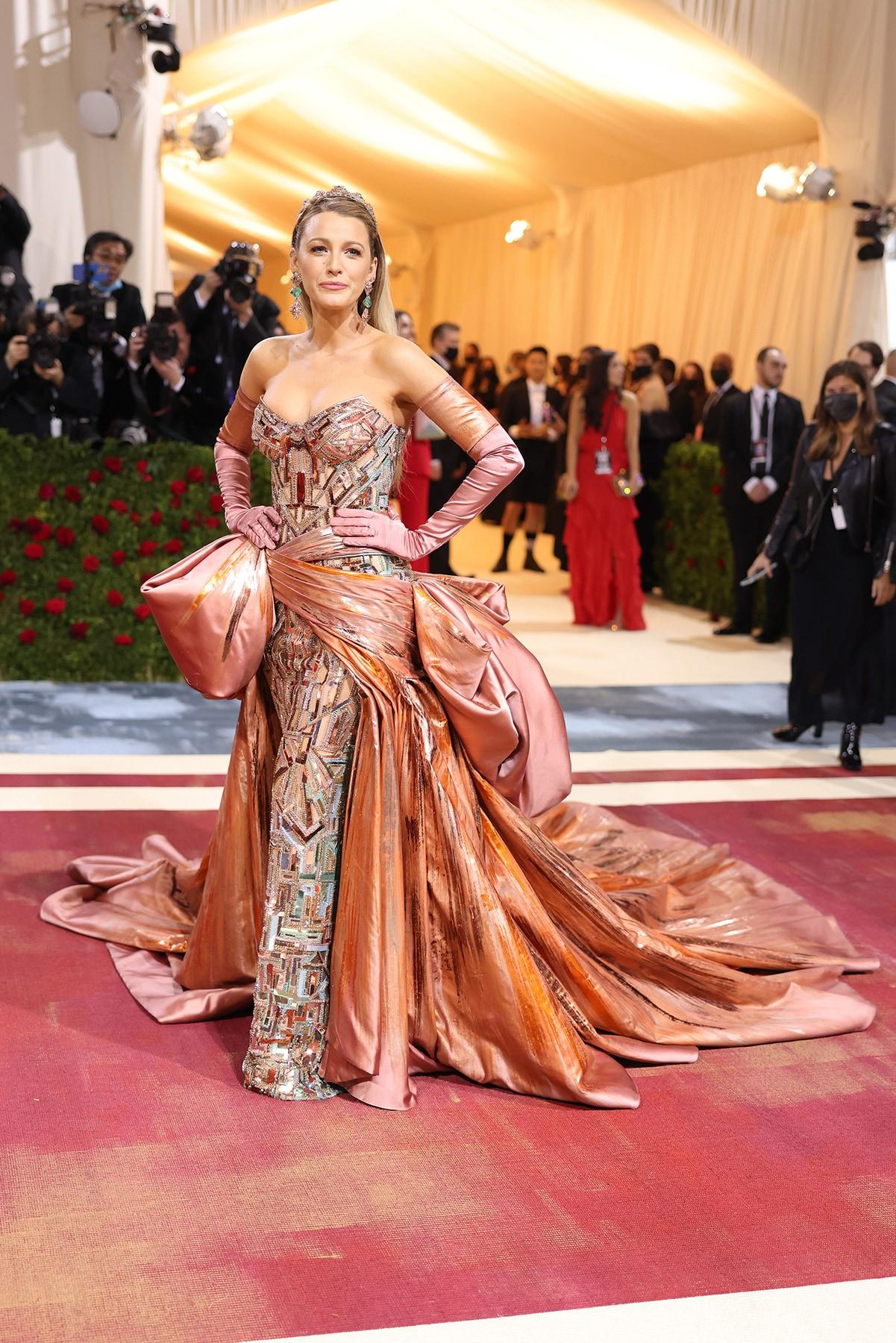
For Lively, the scrutiny arrives at a particularly sensitive moment.
Her appearance came just days after the resolution of a legal battle tied to “It Ends With Us” co-star Justin Baldoni. The dispute, which had generated months of headlines, lawsuits, countersuits, and intense online speculation, ended in a settlement after both sides reportedly spent millions on legal fees.
That context transformed the Met Gala from a simple fashion appearance into what many observers interpreted as a carefully calibrated public re-entry into Hollywood’s spotlight.
Entertainment analysts noted that Lively’s return carried unmistakable symbolic weight. Rather than avoiding public visibility after months of controversy, she chose one of the entertainment industry’s most photographed nights to stage a dramatic comeback.
Fashion media largely embraced the strategy.
Vogue described the actress’s gown as an emotionally personal statement tied to themes of transformation, motherhood, and artistic rebirth. Lively herself said the appearance reflected a period of “growth” in her life after welcoming her fourth child. She also carried a custom clutch reportedly inspired by artwork created by her children.
Still, critics argued that the timing of the appearance made the spectacle impossible to separate from the legal drama surrounding her name.
Conservative commentators and tabloid columnists amplified the criticism surrounding Blake Lively’s Met Gala return, portraying the appearance as an attempt to aggressively reclaim celebrity status after reputational damage linked to the Baldoni case.
Yet the backlash itself may have only amplified her visibility.
By Wednesday morning, clips of Lively’s entrance had spread across multiple platforms, generating millions of views and pushing her back into the center of entertainment headlines worldwide. The controversy also reignited broader conversations about how female celebrities are judged differently from male public figures when displaying authority or control in professional environments.
Several users noted that male actors and musicians routinely direct teams during high-profile appearances without attracting accusations of arrogance. Others countered that celebrity culture increasingly rewards carefully curated authenticity, making any perceived lapse in warmth immediately vulnerable to viral criticism.
The backlash comes as Hollywood remains deeply split over celebrity image control, public relations warfare, and the growing influence of viral social media narratives in shaping entertainment culture. Similar debates recently emerged around Hollywood controversy involving celebrity branding and public perception.
The debate surrounding Lively also reflects the accelerating power of short-form video in determining public perception. In today’s entertainment ecosystem, isolated clips stripped of context can rapidly eclipse broader narratives, particularly when attached to already controversial figures.
Even supporters acknowledged that modern red carpet appearances have become intensely choreographed productions involving stylists, assistants, publicists, photographers, lighting coordinators, and social media teams operating simultaneously under immense pressure.
Recent speculation surrounding the actress only intensified after false rumors surrounding Blake Lively’s attendance circulated online following her appearance.
At the center of that machinery stood Lively, once again proving herself one of the Met Gala’s most talked-about figures.
Whether viewed as commanding or controversial, strategic or excessive, her entrance succeeded in achieving what the modern celebrity industry values above nearly everything else: total internet domination for a news cycle.
And in the age of algorithm-driven fame, outrage itself has become part of the performance.