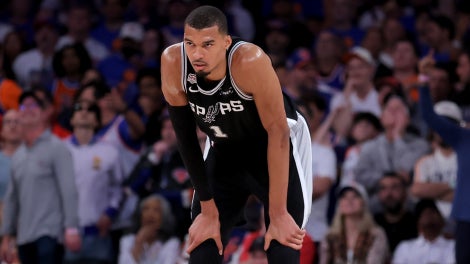

The Oklahoma City Thunder did not merely win Game 1 of the Western Conference semifinals. They delivered a message one that echoed across the NBA that this series, and perhaps the postseason itself, may already be tilting in their favor.
Inside a charged arena in Oklahoma City, the Thunder dismantled the Los Angeles Lakers 108-90, seizing a 1-0 lead with a performance defined by depth, defensive precision, and an unrelenting pace that exposed every weakness in their opponent’s game.
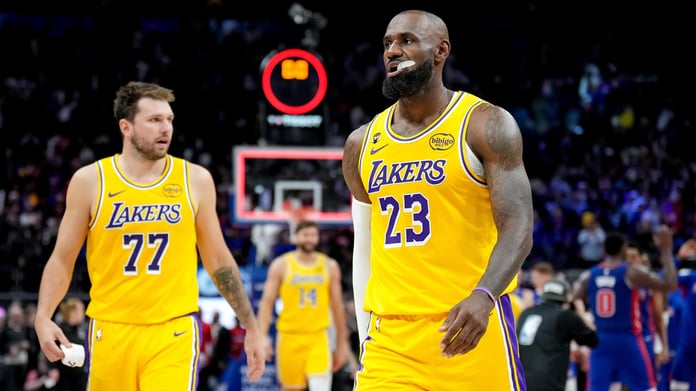
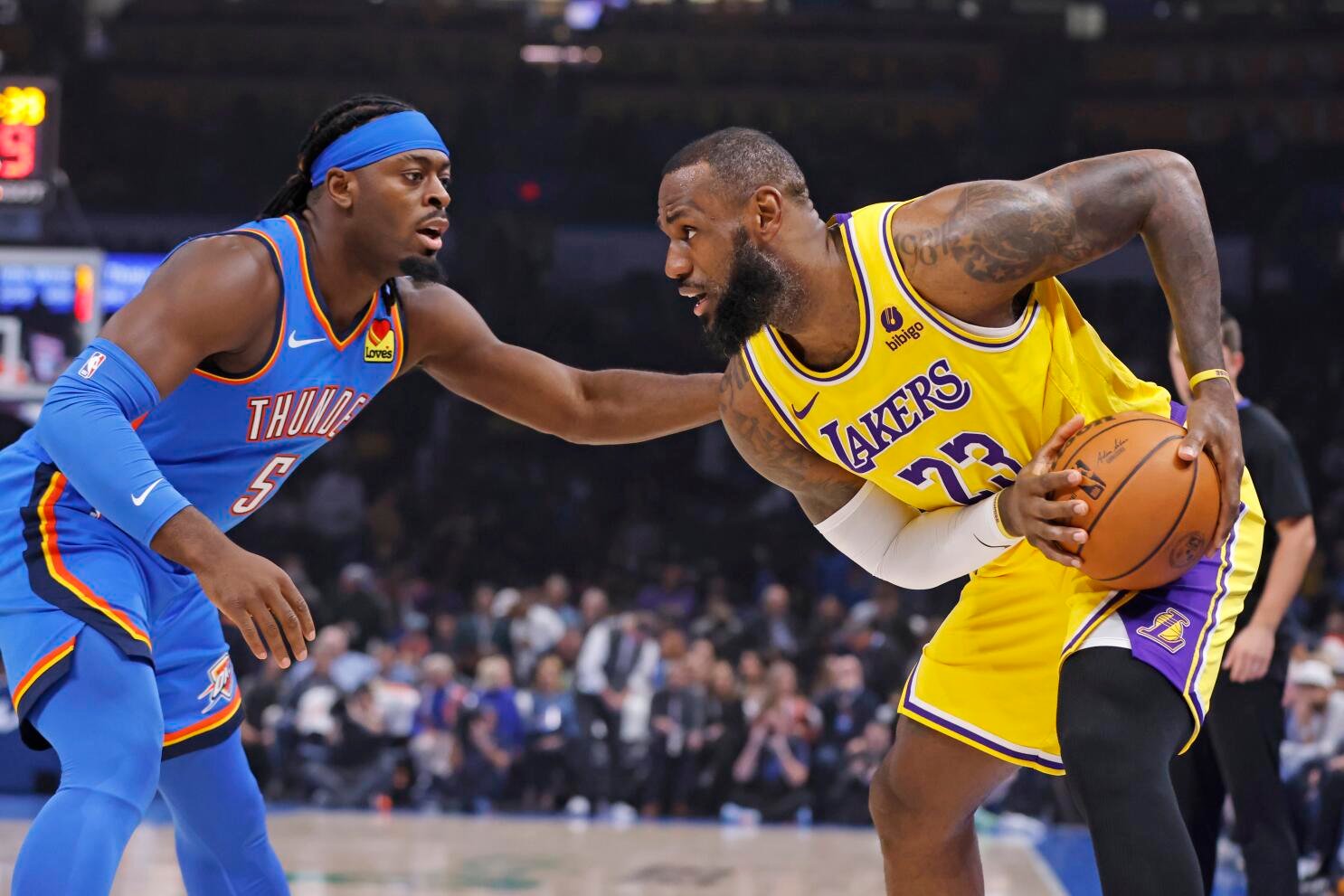
For LeBron James, who finished with 27 points, the night began with promise. He opened aggressively, guiding the Lakers to an early advantage and briefly quieting a raucous home crowd. But what followed was a slow unraveling a familiar postseason script rewritten with sharper edges.
The Lakers’ offense stalled. Their rhythm disappeared. And by the time the fourth quarter arrived, the contest had already slipped beyond reach.
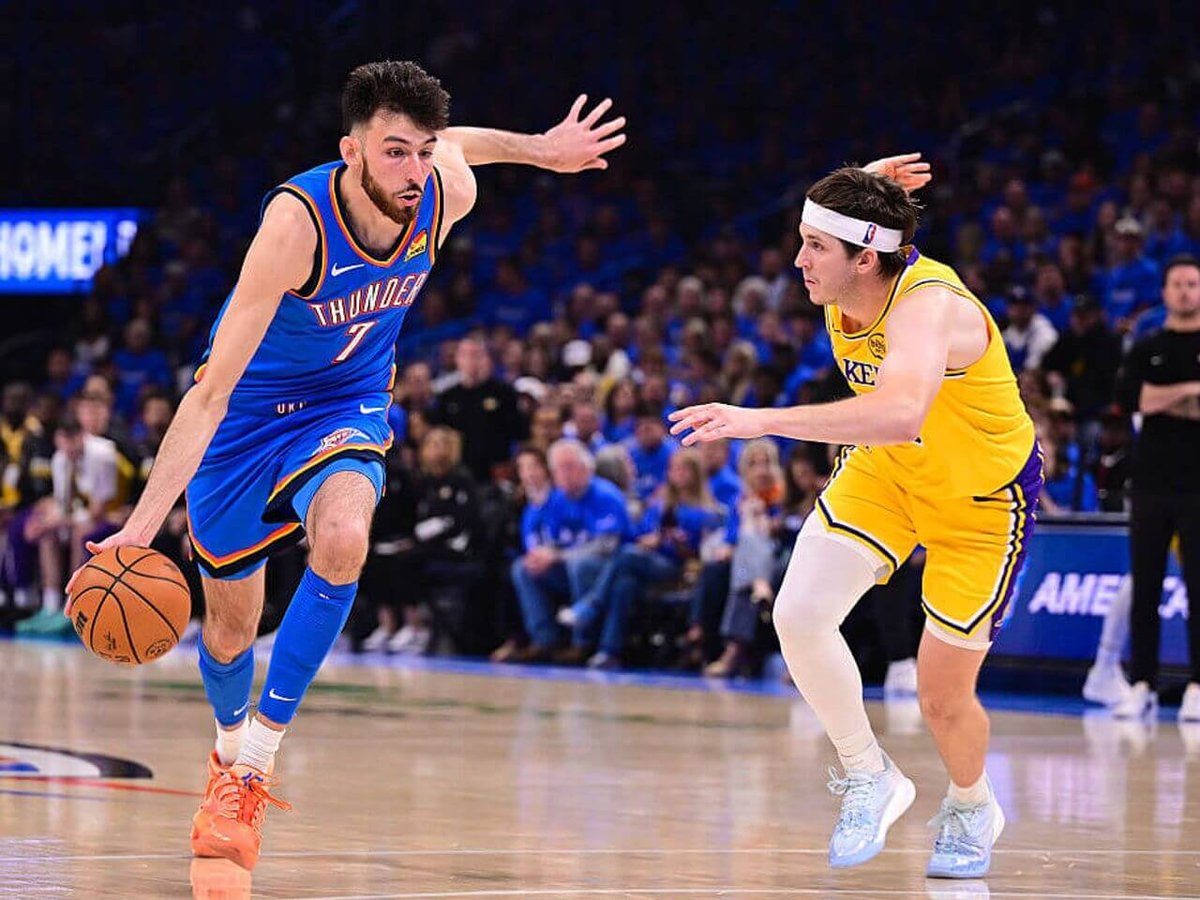
Oklahoma City shot nearly 50 percent from the field and over 43 percent from three-point range, a level of offensive execution that left little margin for error. Their bench, too, proved decisive, outscoring the Lakers’ reserves by a wide margin and delivering timely bursts that turned a competitive game into a one-sided affair.
It was not just scoring. It was structure. The Thunder forced 17 turnovers, converting mistakes into momentum and steadily widening the gap.
For the Lakers, the defeat exposed a troubling reality: beyond James, there was little consistency.
Rui Hachimura contributed 18 points, and Deandre Ayton added a double-double, but the supporting cast faltered. Austin Reaves, a critical offensive piece, endured a disastrous outing, shooting poorly and failing to provide the scoring punch the team desperately needed.
The absence of Luka Dončić, sidelined with a hamstring injury, loomed large. Without him, the Lakers lacked a secondary creator capable of easing the burden on James, allowing Oklahoma City’s defense to tighten its grip as the game progressed.
By the fourth quarter, the numbers told a stark story. Los Angeles had recorded its lowest playoff scoring output in years, undone by inefficiency, turnovers, and a glaring lack of depth.
The game’s decisive stretch came early in the fourth quarter, when Oklahoma City unleashed a run that effectively ended the contest. Back to back three-pointers from the Thunder bench ignited the crowd and stretched the lead into double digits, leaving the Lakers scrambling without answers.
From there, the Thunder controlled the tempo with composure, turning defensive stops into fast-break opportunities and methodically closing out the game.
Compounding the Lakers’ struggles was an in game injury to Jarred Vanderbilt, who exited after dislocating his finger. The loss further weakened an already thin rotation and underscored the physical toll of a postseason that has demanded more than the roster can consistently provide.
Coach JJ Redick acknowledged defensive lapses and costly errors, while emphasizing the need for immediate adjustments a sentiment echoed in a locker room now facing mounting urgency.
The Thunder entered the series as favorites, having swept their first-round opponent and dominated the Lakers in the regular season. That dominance carried into Game 1 with striking clarity, reinforcing trends seen across the NBA playoffs.
Now unbeaten in the playoffs, Oklahoma City appears not just confident but calibrated a team executing with the precision of a contender fully aware of its identity.
For the Lakers, the path forward is far less certain.
They must rediscover offensive cohesion, address their depth issues, and hope for the return of Dončić. Without those changes, the gap revealed in Game 1 may only widen.
Game 2 looms not as an opportunity, but as a necessity.
The loss adds to growing concerns around the NBA Playoffs Western Conference semifinals results and analysis.
Related Posts