
NEW YORK – Tyler Herro has a contract that runs through next spring and a roster situation that doesn’t add up anymore.
Milwaukee signed Damian Lillard and then watched the plan unravel in the second round two seasons in a row. Now Lillard is back, the Bucks added more backcourt options in June’s draft, and Herro – the player Milwaukee was supposed to build around alongside Lillard – is the one who no longer fits. In a league that moves fast, his name is already circulating before training camp exists.
This is the NBA’s most reliable summer phenomenon: teams that made decisive moves in the offseason discovering, as the calendar turns to August, that their decisiveness created a problem somewhere else. Five players head into September already positioned as the season’s most likely trade candidates, as identified by Bleacher Report’s Dan Favale on Sunday. The logic behind each one runs deeper than a single roster move.
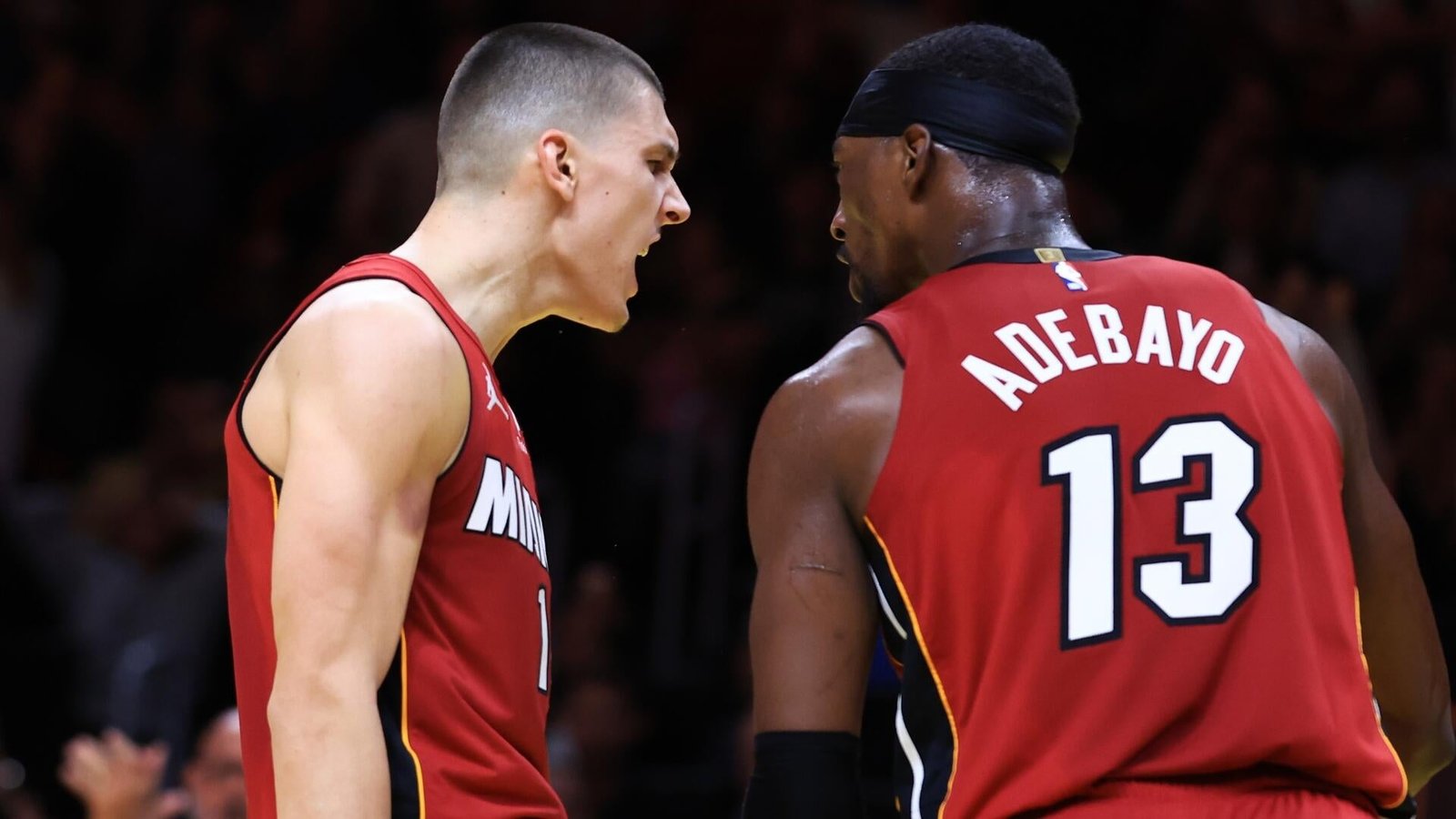
Herro is Favale’s top pick, and the reasoning is hard to argue with. Three guards for two spots is a math problem that resolves itself at the trade deadline if it doesn’t resolve itself in the summer, and Milwaukee has run out of time to wait for the right opportunity. His contract makes him attractive – a proven scorer who can operate in isolation and off the ball – and his final-year status means a contender acquires him without a long-term commitment. The Bucks will want a young asset plus a pick. Something will move.
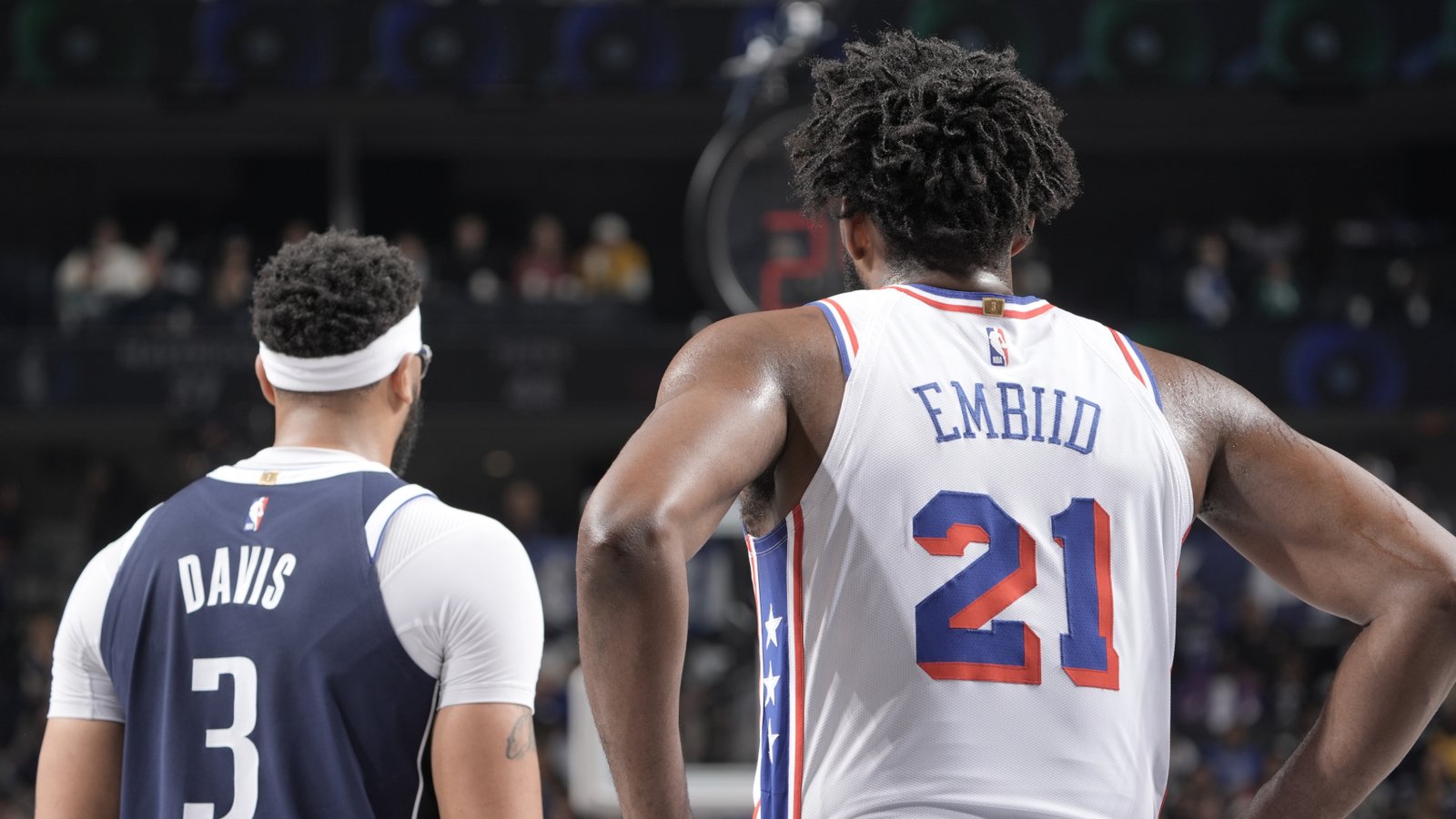
Anthony Davis went to Washington this summer after LeBron James’ departure from Los Angeles remade the Lakers into a rebuilding operation and left Davis without a path to contention in California. He arrives in Washington as the franchise centerpiece on a team that needed one – but his extension eligibility date arrives on August 6, when he can sign a four-year deal worth $272.8 million. If he signs, the Wizards have their anchor. If he doesn’t, every team with cap flexibility starts doing the math on a rental. The next few days will clarify which category of problem he is.
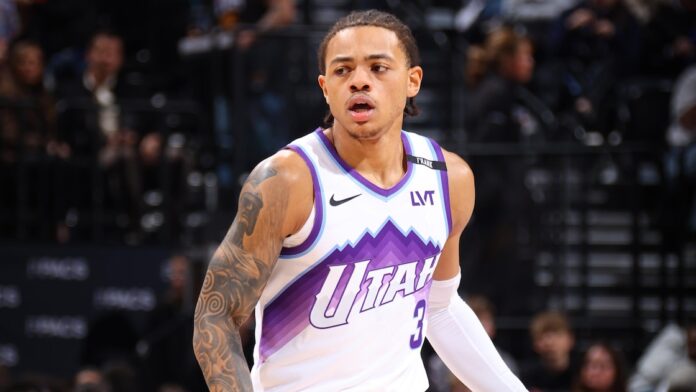
In Portland, the math is already clear. The Trail Blazers traded for Ja Morant in one of the summer’s most disruptive moves, a decision that reshaped their timeline and their backcourt simultaneously. With Damian Lillard returning to Portland as part of the deal’s structure, Scoot Henderson and Shaedon Sharpe – the two lottery picks who were supposed to inherit the Blazers’ future – are now competing for minutes behind two established stars. Henderson is the more redundant of the two; Sharpe brings a shooting profile that could slot alongside Morant. At least one leaves before the deadline. Probably both.
Kyrie Irving is recovering from a torn ACL, expected to be ready for training camp, and operating under a contract that includes a player option for 2027-28. Dallas has organized its present around Irving and its future around Cooper Flagg, who arrived with the first overall pick and enough ceiling to rearrange the franchise’s priorities almost immediately. Irving and Flagg can coexist – the spacing works, and Irving’s secondary playmaking is useful alongside a versatile forward – but the opt-out year, Irving’s age, and an ACL recovery that nobody has yet seen tested at game speed combine to make his trade value higher right now than it may be in January. A Western Conference contender needs a ball-handler. Irving has been that player when healthy.
In New Orleans, the Pelicans are doing what they have done for most of Zion Williamson’s career: waiting to see what version of him shows up. Williamson enters the final guaranteed year of his contract on a team that just gave Trey Murphy III an $87 million extension – a commitment to a player who can operate as a No. 2 option without the load-management constraints that have defined Williamson’s tenure. That financial reality narrows what New Orleans can offer Williamson in an extension negotiation. If he misses significant time again, the pressure to trade him while his value is still legible becomes difficult for the front office to ignore.
What none of these situations share is a predetermined outcome. Herro could play his way into an extension. Davis could sign for four years and give Washington something to build around. Henderson could accept a reduced role and thrive in it; Sharpe could emerge as a starter alongside Morant and make the decision obvious. Irving could opt out as a free agent next spring rather than forcing a trade. Williamson could stay healthy and negotiate from a position of strength that he has rarely occupied.
But by August, the architecture is set. Front offices know which pieces fit and which ones require a phone call to another team. The five players above head into September with rosters that do not quite accommodate them – not because they are bad players, but because the teams around them made decisions that left them without a clean place to land. That is a different kind of trade candidate than the one who demands a move or publicly forces a situation. It is also, historically, the kind that actually gets traded.
The rumors will follow.