The first round of the NBA playoffs did not merely deliver drama it dismantled expectations. Across the league, a volatile mix of generational brilliance, historic collapses and mounting injuries has reshaped what once looked like a predictable championship race.
What unfolded was a postseason opening defined by instability. Three Game 7s, multiple blown leads and record-breaking moments turned the first round into one of the most chaotic in recent memory. According to historic Game 7 trends and playoff records, such a concentration of decisive matchups is exceedingly rare, underscoring the razor-thin margins separating contenders.
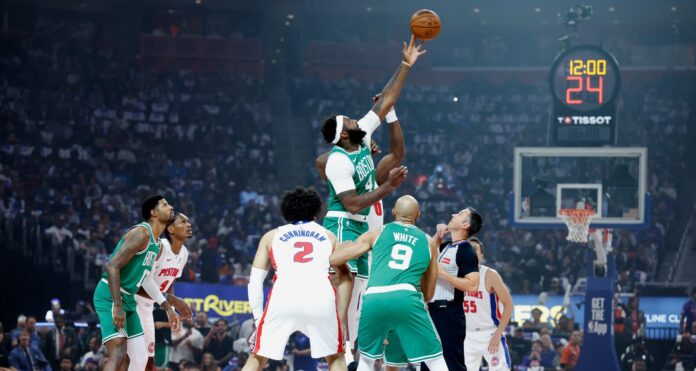
Few series captured that volatility better than Philadelphia’s stunning turnaround. The 76ers completed a historic 3–1 comeback against Boston, fueled by a dominant performance from Joel Embiid. It was a result that not only eliminated a title favorite but also signaled a dramatic shift in the Eastern Conference hierarchy.

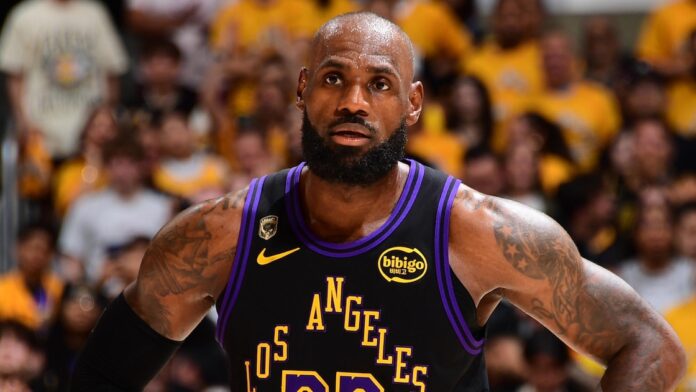
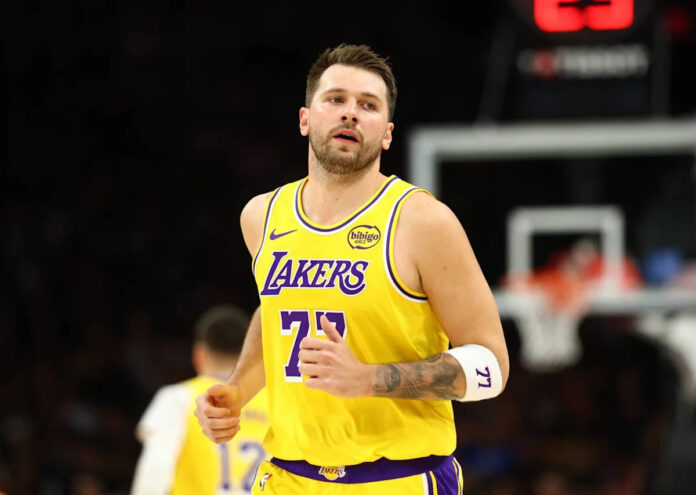
For the Los Angeles Lakers, stability came in the form of a familiar force. At 41, LeBron James continues to defy both age and precedent. His leadership guided the Lakers through a difficult first round series despite injuries across the roster. In one of the most symbolic moments of the playoffs, James even connected on the first father-son assist in postseason history, a milestone that reflected both longevity and legacy.
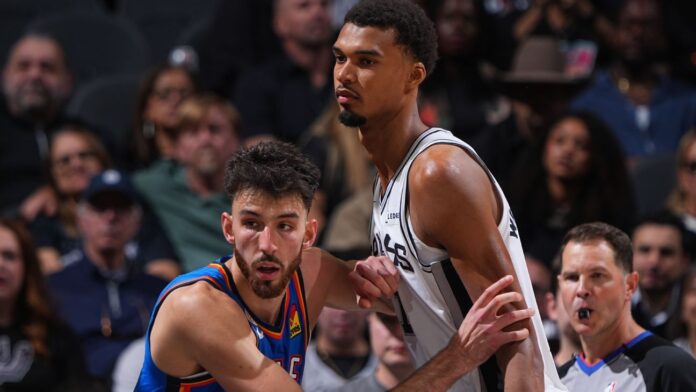
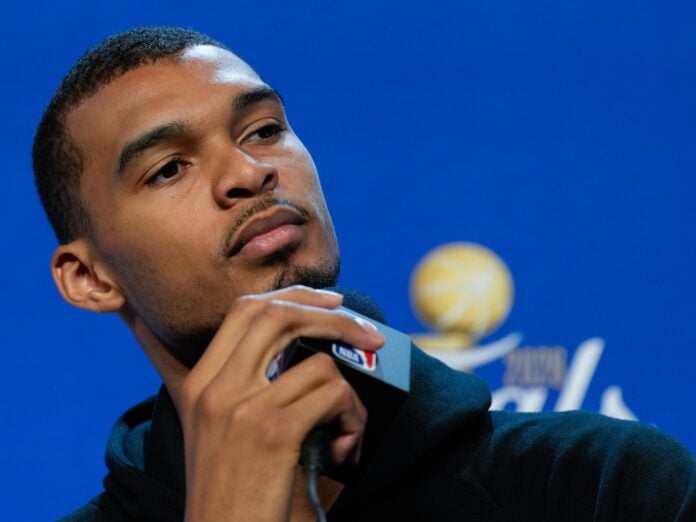
Yet if James represents endurance, Victor Wembanyama represents inevitability. The San Antonio Spurs advanced with authority, as Wembanyama’s two-way dominance overwhelmed Portland. His performances combining scoring, rebounding and elite rim protection confirmed what many suspected: the Spurs are no longer rebuilding. They are a legitimate contender.
San Antonio’s progress has been emphatic. The team defeated the Trail Blazers in five games, showcasing efficiency and depth while demonstrating the composure of a seasoned contender. With Wembanyama anchoring both ends of the floor, the Spurs now enter the next round as one of the most dangerous teams remaining.
Still, the most decisive factor of this postseason may not be any individual star. Injuries have reshaped championship expectations across the league, sidelining or limiting key players and altering the balance of power. Depth, durability and timing have become as critical as talent in determining playoff success.
Beyond the immediate chaos, the broader league wide uncertainty underscores how quickly fortunes can change in today’s NBA. Teams once seen as long-term projects are accelerating, while established contenders face sudden decline.
The Oklahoma City Thunder, among the favorites after a dominant opening round, now carry both momentum and pressure. Other contenders, including the Lakers and 76ers, face a similar reality: survival may depend less on brilliance and more on durability.
The NBA playoff winners and losers analysis highlights how the postseason landscape is rapidly shifting. Teams once viewed as overwhelming favorites have been eliminated, while younger squads have surged forward, capitalizing on opportunity and adversity alike.
As the second round begins, one conclusion is unavoidable. This is no ordinary postseason. The first round has already rewritten expectations, blurred the line between contender and underdog, and set the stage for a championship race defined by unpredictability.
In a year where chaos has become the defining narrative, even the league’s greatest players are no longer guaranteed control. They must adapt, endure and, above all, survive.