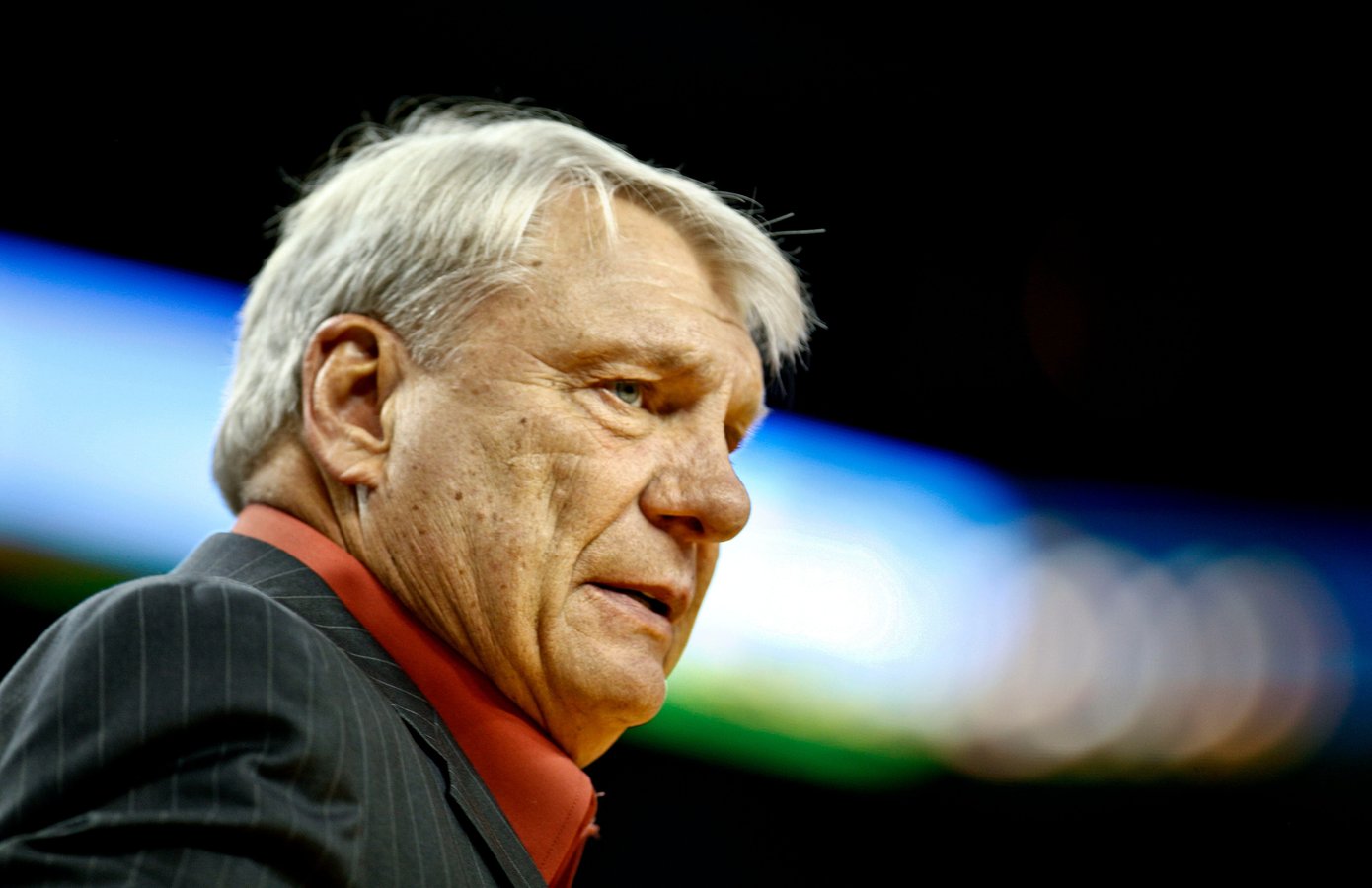

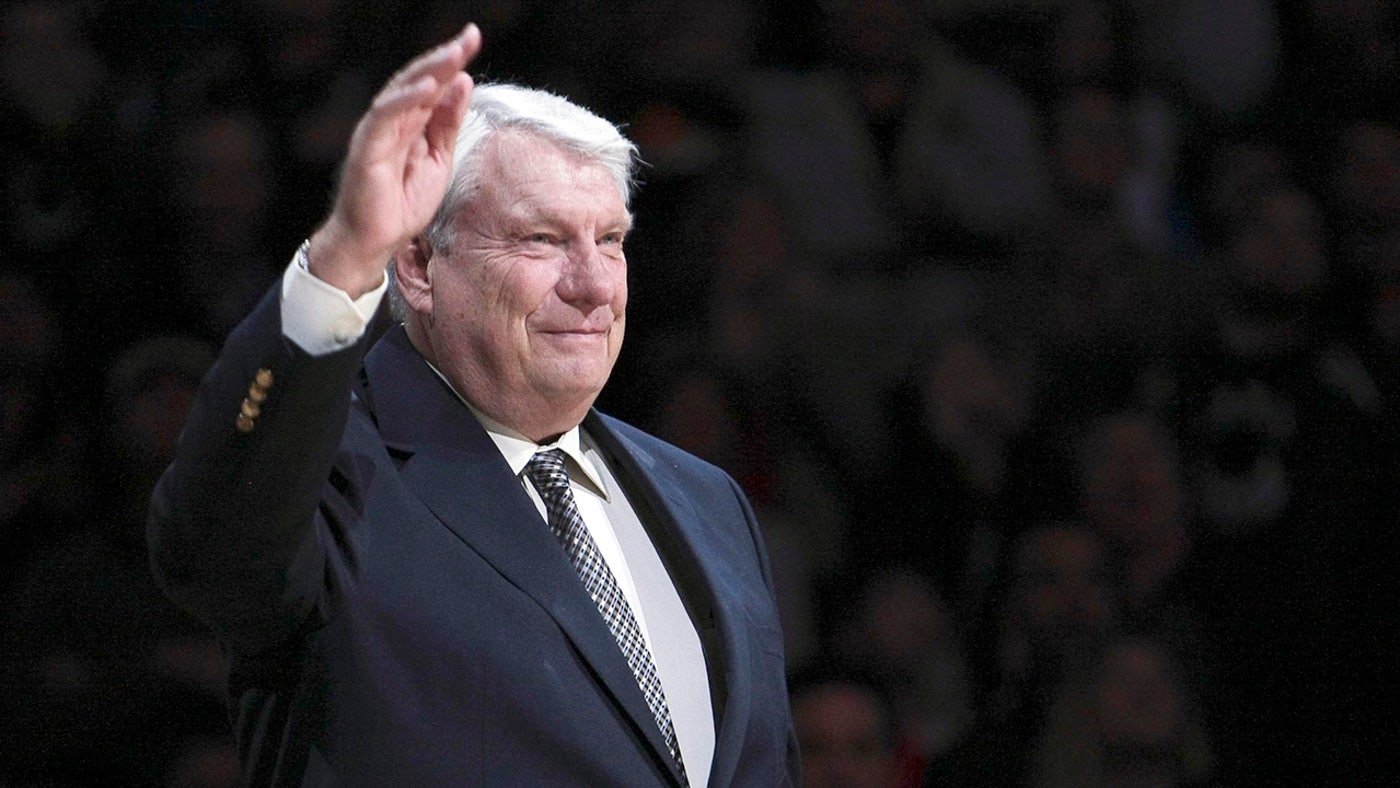
FRISCO, Texas – Don Nelson, the coach who remade professional basketball in his own restless image, died Sunday morning at his home here, surrounded by his family. He was 86.
Nelson’s family released a statement Sunday, and Fox News was among the first to carry it: “On Sunday morning our beloved husband, dad, grandfather and great-grandfather Don Nelson peacefully went to be with the Lord, surrounded by his loving family. Throughout his last week, friends and family encircled him with love, sharing the blessing of his friendship and revisiting treasured memories.”
What the statement could not compress was the career. Nelson won 1,335 regular-season games, the second-most in NBA history, across 2,398 contests spanning from 1976 to 2010. He coached the Milwaukee Bucks, Golden State Warriors, New York Knicks, and Dallas Mavericks across three decades, winning three Coach of the Year awards and entering the Basketball Hall of Fame in 2012. Gregg Popovich passed him in all-time coaching wins in 2022. Until then, Nelson held the record.
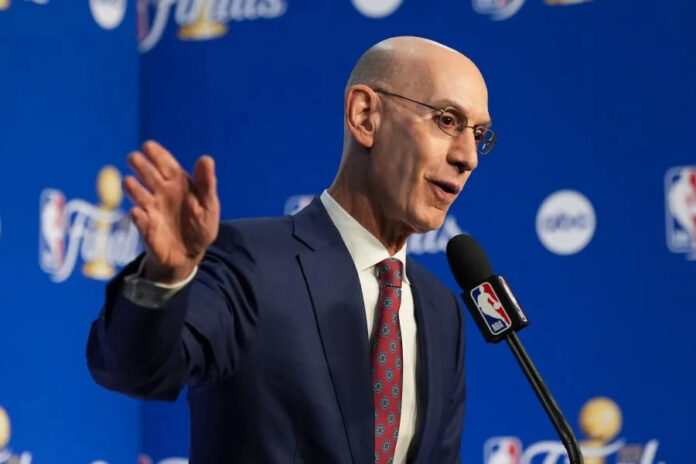
NBA Commissioner Adam Silver remembered him as “one of the most creative coaches our game has ever seen,” noting that Nelson “brought an unmistakable personality to everything he did, and his impact on our sport will continue to be felt for generations.” Patrick Dumont, the Mavericks’ governor, described him as “a true original whose impact on the Dallas Mavericks and the game of basketball will endure for generations.” The Golden State Warriors, who eulogized him as “one of the most innovative and influential coaches in NBA history and an iconic figure in Warriors history,” stated the institutional weight plainly.
The innovation was structural. Nelson was among the first coaches to treat positionless basketball as a coherent system rather than a stopgap adjustment. He deployed big men who could handle the ball, demanded guards who could defend larger players, and built offenses around pace and space when most coaches still believed in post-up isolation as the game’s primary language. Opponents found it disorienting. Analysts named it “Nellie Ball,” and most of the NBA eventually adopted it.
His twelve years with the Milwaukee Bucks, from 1976 to 1988, established the franchise record with 540 victories and gave the league its first sustained look at what positionless offense could produce against conventional defenses. He earned his first two Coach of the Year awards there, in 1983 and 1985.
The Dallas years produced his most celebrated act of evaluation. The Mavericks selected Dirk Nowitzki ninth overall in 1998, a 20-year-old from Wurzburg, Germany, whom most scouts had labeled a developmental project with uncertain upside. Nelson saw a player who could score from the perimeter at seven feet and built an offense around that skill. Nowitzki was among those who paid tribute Sunday, and his selection stands as Nelson’s most celebrated personnel legacy. The franchise culture that Nelson assembled in Dallas is what eventually created the conditions for Luka Doncic‘s arrival two decades later.
Before coaching, Nelson played. He spent most of his fourteen-year career with the Boston Celtics, arriving in 1965 and winning five NBA championships across eleven seasons in green. He averaged 10.3 points and 4.9 rebounds across 1,053 career games, numbers that understated his basketball intelligence. He learned the game from Red Auerbach, who was then building what would become the standard for sustained organizational excellence in American sports, and carried Auerbach’s principles about movement and defensive misdirection into his own coaching career thirty years later. The Celtics retired his number 19 in 1978.
His first coaching stint in Golden State, from 1988 to 1995, produced what was then the most attacking offense in the NBA. The trio of Tim Hardaway, Mitch Richmond, and Chris Mullin, known as Run TMC, played a three-guard, half-court-optional brand of basketball that the rest of the league spent twenty years trying to understand. His second Warriors stint, beginning in 2006, included the 2009 draft in which Golden State selected a point guard named Stephen Curry out of Davidson College with the seventh pick. Curry said Sunday, according to CBS News, that Nelson “had an immeasurable impact on the sport and will go down as one of the greatest minds.”
Nelson won his third Coach of the Year award in 1992, also in Golden State. The Chuck Daly Lifetime Achievement Award followed in 2025, his most recent formal recognition from the sport that consumed most of his adult life. His career also included a brief stop with the New York Knicks across parts of two seasons in 1995 and 1996, where he went 34-25 before departing under circumstances that still produce conflicting accounts depending on who is telling the story.
What his career never included was an NBA championship as a coach. His teams reached the Finals once: Dallas in 2006, losing to the Miami Heat in six games. Against that single appearance, he accumulated 11 playoff series victories and 23 losses. Whether that record diminishes what he accomplished in three decades on an NBA bench, or whether his contribution to the game’s underlying architecture matters more than any ring, is the question his legacy leaves permanently open.
After retiring from coaching in 2010, Nelson returned to Maui, where he tended a flower and coffee farm he had started years earlier. He completed his University of Iowa degree in 2012, finishing a credential he had set aside after his first NBA season fifty years before. He spent his last week surrounded by family in Frisco, Texas.
He is survived by his wife, Joy, and their children.