
LOS ANGELES – Nobody handed Luka Doncic the keys to the Los Angeles Lakers. He took them. And then, apparently, he decided to drive everyone to Ljubljana.
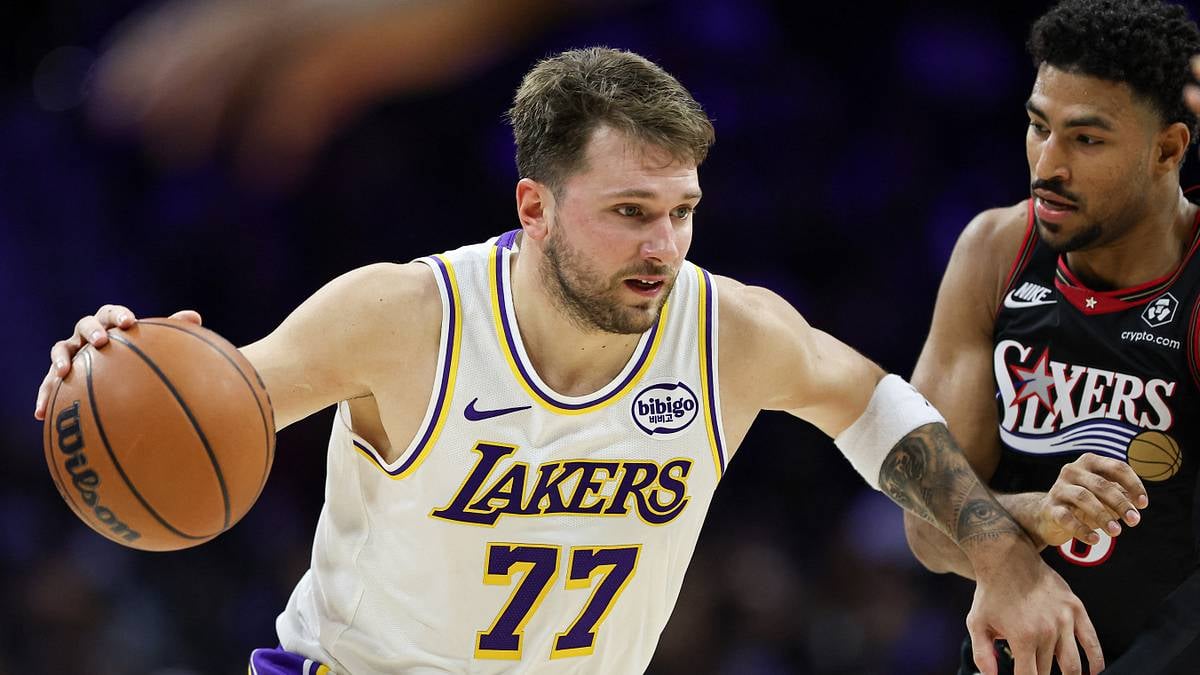
According to NBC Sports, Doncic has offered to fly the Lakers’ revamped roster to Slovenia for a four-day minicamp in August, covering workouts, golf, and Ljubljana tourism before training camp opens. ESPN’s Dave McMenamin broke the story Tuesday. It is the kind of gesture that sounds like a fun story until you consider what it actually represents: the clearest signal yet that the 27-year-old Slovenian is not waiting for someone to tell him he is the franchise.
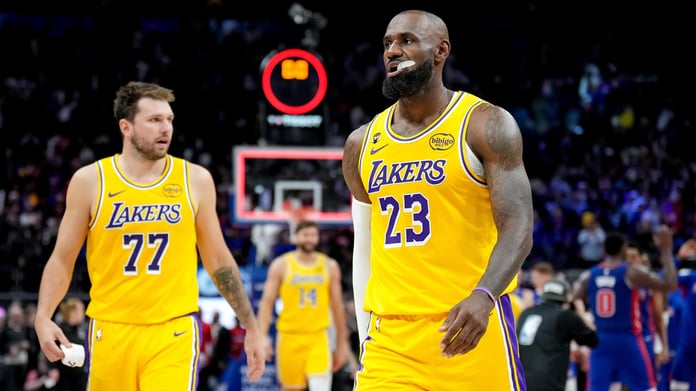
LeBron James is gone. The man who wore No. 23 for the Lakers chose Philadelphia this summer after 22 years as the defining force of any team he touched. The organization that spent two seasons built around James now belongs to Doncic by default, which is exactly why the Slovenia invitation matters. Default leadership and assumed leadership are two different things. Doncic, in offering his country to his new teammates, is making a choice.
The new roster that will gather in Ljubljana reads like a JJ Redick project in progress: Walker Kessler, acquired to give the team the rim protection it could never maintain around LeBron; Quentin Grimes, the versatile wing who thrived in New York; Collin Sexton, a speed-first guard who offers something the roster lacked in transition; Sandro Mamukelashvili, a stretch big who can play alongside Kessler in some lineups; and Cameron Carr, a late addition who rounds out bench depth. Most of them played somewhere else last season. Several of them have never shared a locker room. What Doncic is offering in Slovenia is four days to fix that before the season reveals how badly it was broken.
The minicamp format, with workouts in the morning and golf and city walks built in, signals something specific. This is not a film session disguised as a vacation. It is an environment designed to let players find out who each other are before the competitive pressure arrives. That kind of early-relationship chemistry is notoriously hard to manufacture and almost impossible to accelerate once a losing streak sets in. Doncic, who spent the summer playing in Europe after his season ended in the second round, apparently decided not to wait.
McMenamin’s report did not include a direct quote from Doncic, and an offer made in July is not a confirmed trip in August. Players arrive with families, agencies, and personal schedules that do not always bend toward a five-hour flight to central Europe at the start of the month. Who actually shows up, and what they do while they are there, will matter as much as the invitation itself. The organizing details, which players commit, what they accomplish on the court, whether the group that lands in Ljubljana resembles the group that reports to training camp, remain unresolved.
What is not in question is the intelligence of the instinct. LeBron James organized informal offseason workouts throughout his Heat and Cavaliers years, sessions that predated those teams’ championship runs. The Golden State Warriors, who leaned into their youth movement this past summer, built a culture of voluntary pre-camp bonding that ran beneath their dynasty for years before the trophies arrived. Doncic watched both franchises succeed from a distance for most of his career. He does not have the player-run infrastructure those teams developed. He has five new teammates, a second-year head coach, and a front office that spent the summer making moves on the margin while the conference’s power structure shifted around them.
The Western Conference will not offer a grace period. The Oklahoma City Thunder, built around Shai Gilgeous-Alexander, finished last year as one of the conference’s most functional offensive teams. The Houston Rockets, now centered on top draft pick AJ Dybantsa, are a year away from becoming a genuine problem. The Clippers added Johni Broome to their frontcourt via trade from Philadelphia and are no longer the rebuilding project they appeared to be entering the summer. The math that says this Lakers roster needs to win immediately is also the math that says it needs to be ready when the season starts.
Doncic is approaching the question of Lakers leadership with the same straightforward aggression he brings to double-team coverage. He is not stepping back from it. The Slovenia minicamp is not a guarantee of anything. Four days in Ljubljana do not produce playoff chemistry; sustained winning does. But the starting line of a franchise pivot often looks less like a strategic document and more like a 27-year-old deciding, on a quiet Tuesday in July, that he is going to fly his whole team to his hometown and work from there.
Whatever happens in October, the summer of 2026 will be remembered as the moment this franchise’s identity officially stopped being LeBron’s and started being Luka’s. The minicamp in Slovenia is the first sentence of that chapter. What comes after it, nobody in Ljubljana or Los Angeles knows yet.
Related Posts