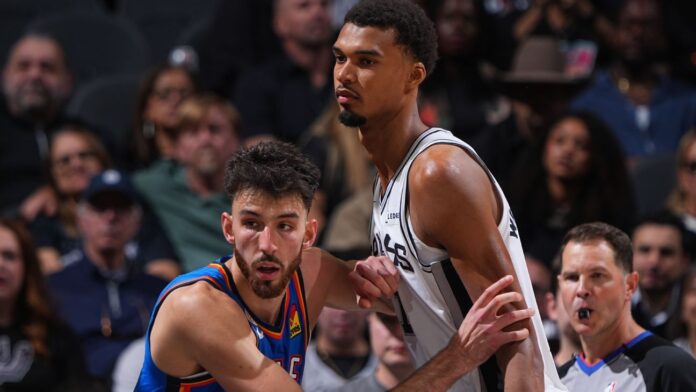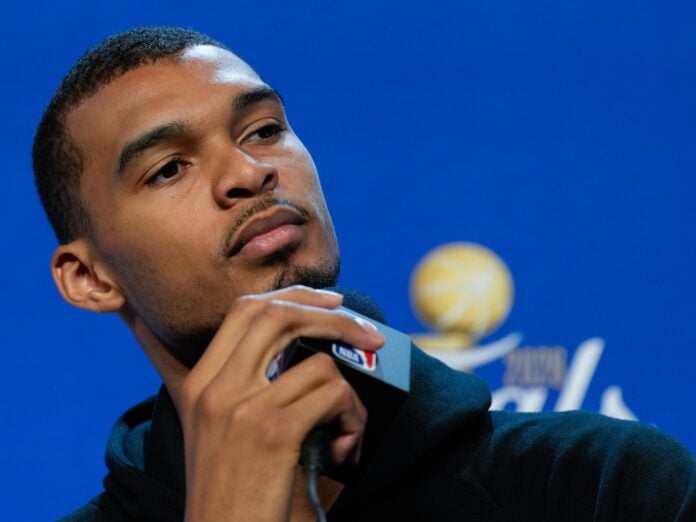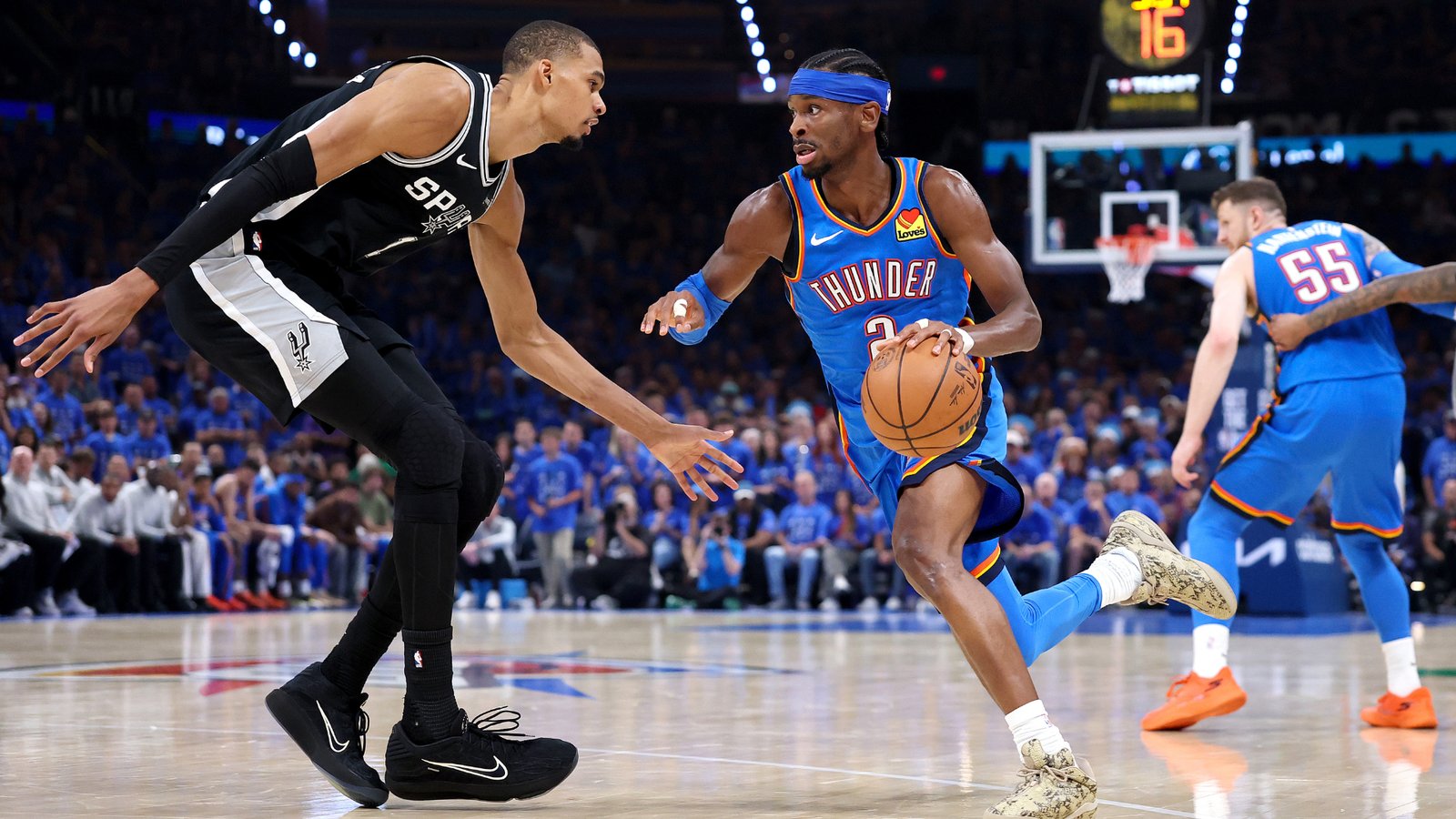

SAN ANTONIO – The number that matters most to Victor Wembanyama right now is not the 252 million he agreed to accept. It is the 51 million he turned down.
The San Antonio Spurs enter 2026-27 as FanDuel’s narrowest favorites to win the NBA championship, priced at +250, a half-step ahead of Oklahoma City at +260 and well above every franchise that spent the summer assembling names, including a Philadelphia 76ers team with LeBron James, Joel Embiid, and Jaylen Brown sitting at +950, according to CBS Sports. That the market rates San Antonio above a Big Three assembled with a combined Finals pedigree spanning four decades is not a coincidence. It is a considered read.
The read begins with what Wembanyama chose not to take.
When the Spurs extended the 22-year-old center in July, the offer on the table was the maximum contract the collective bargaining agreement permits: five years, roughly $303 million at the 30 percent salary cap share. He signed at 25 percent, for $252 million. The difference, approximately $51 million, went directly to the team’s spending capacity, Sports Illustrated reported. Wembanyama is already the most transformative defensive anchor the league has seen in a generation: a 7-foot-4 frame that redirects offenses at the rim, functions as a primary handler in transition, and won the 2026 Defensive Player of the Year award in his third NBA season. He took less money so that San Antonio could build a team rather than warehouse his contract.
San Antonio spent exactly what he made available.
Tobias Harris signed a two-year, $31 million deal with the Spurs in late July: a veteran secondary scorer who gives the starting five a pull-up option and half-court spacing that does not require clearing the floor. Jordan McLaughlin re-signed on a one-year deal worth $3.3 million, extending a backup point guard whose pace management in late-game situations has become one of the organization’s least-discussed advantages. The front office added a draft class that graded as one of the West’s strongest, with center Jayden Quaintance at A-minus, forward Trevon Brazile at B-plus, and guard Ja’Kobi Gillespie at B.
There is one complication the Spurs could not budget for. Quaintance, the centerpiece of that class and the long-term answer at the five that San Antonio has been drafting toward for three years, underwent right knee surgery in mid-July. The team has not provided a return timetable. He played only four collegiate games at Kentucky before an earlier injury preceded the draft, and his rehabilitation now runs into training camp. San Antonio has Wembanyama at center, so the immediate impact of Quaintance’s absence falls on rotation depth rather than the starting lineup, but what he might have contributed in October is now a question without a date attached to it.
What San Antonio has, without him, is a nucleus that goes three deep at multiple positions. Stephon Castle and Dylan Harper form one of the most disruptive young backcourts in the Western Conference, a pairing whose on-ball pressure ranked in the top five leaguewide for forced turnovers during the 2025-26 regular season. Harris provides spacing and secondary shot creation off Wembanyama’s gravitational pull at the rim. Gillespie, if Summer League form translates, is a candidate for a real rotation role before November.
The team they have to reckon with most does not wear silver and black.
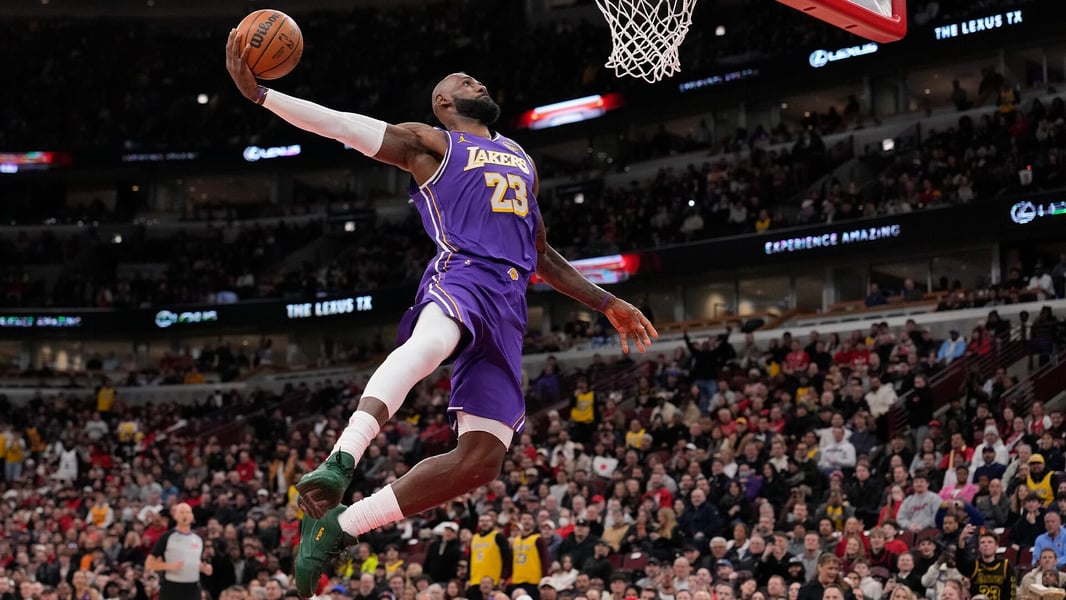
The Philadelphia 76ers completed their three-piece roster construction this week, moving from +2000 in the title market to +950 after assembling James, Embiid, and Brown. LeBron James, 41, accepted $3.876 million per year, the smallest salary of a career that began at $4 million in 2003, because he believed what Philadelphia built around Embiid was worth the financial concession. The structural logic mirrors Wembanyama’s own: a transcendent player taking less money so the organization could build a real roster around him. The market is pricing that parallel into the gap between +250 and +950.
What the market is also weighing, carefully, is whether Embiid’s body holds through a full season. He has missed 47 games across the last two years to a rotating series of knee and foot injuries that Philadelphia’s training staff has managed without resolving. Rich Paul, James’s own agent, said publicly after the signing was announced that Philadelphia is not the best team in the NBA. An unnamed opposing assistant coach called the James-Embiid pairing slow and old. Neither of those assessments is necessarily wrong, and neither can be tested until the first week of October.
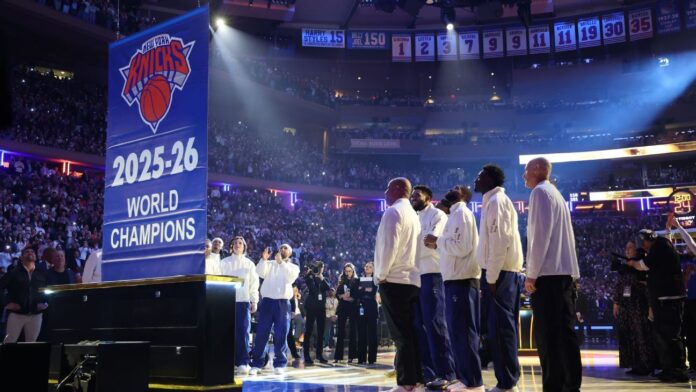
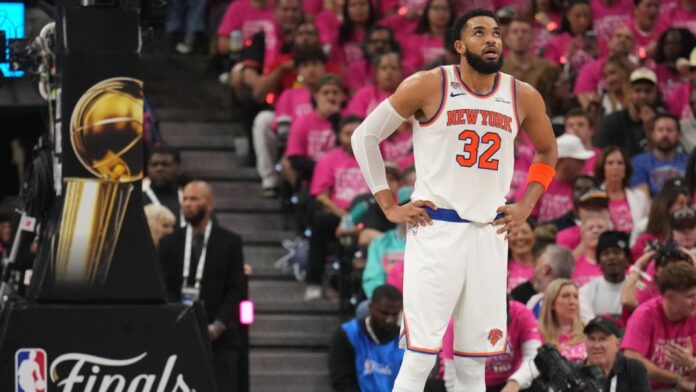
The defending champion Knicks are working a different arithmetic. Mitchell Robinson left in free agency, and the organization is in active trade discussions with New Orleans for a center. Karl-Anthony Towns’ extension talks remain unresolved. Miles McBride has not signed. New York’s summer has been deliberate and quiet, a strategic posture from an organization that spent heavily to win last June, and the market at +900 is treating that quiet with skepticism.
The Spurs have not made a statement. They have made a roster.
Wembanyama said nothing on record about why he accepted less. The organization has not used the phrase championship window in any official communication since the summer began. What San Antonio has done, with the methodical deliberateness of a franchise that won five titles across three decades, is convert one player’s financial restraint into depth: a Tobias Harris, a three-player draft class, a backcourt that can defend before it can vote. It is not a flashy offseason. It is the kind of offseason that +250 looks like from the outside.
Whether the market is right to price them first is what the 2026-27 season will settle. Whether that answer arrives with a championship, or with another spring exit and another round of offseason calculations, is the part no odds board can tell you yet.