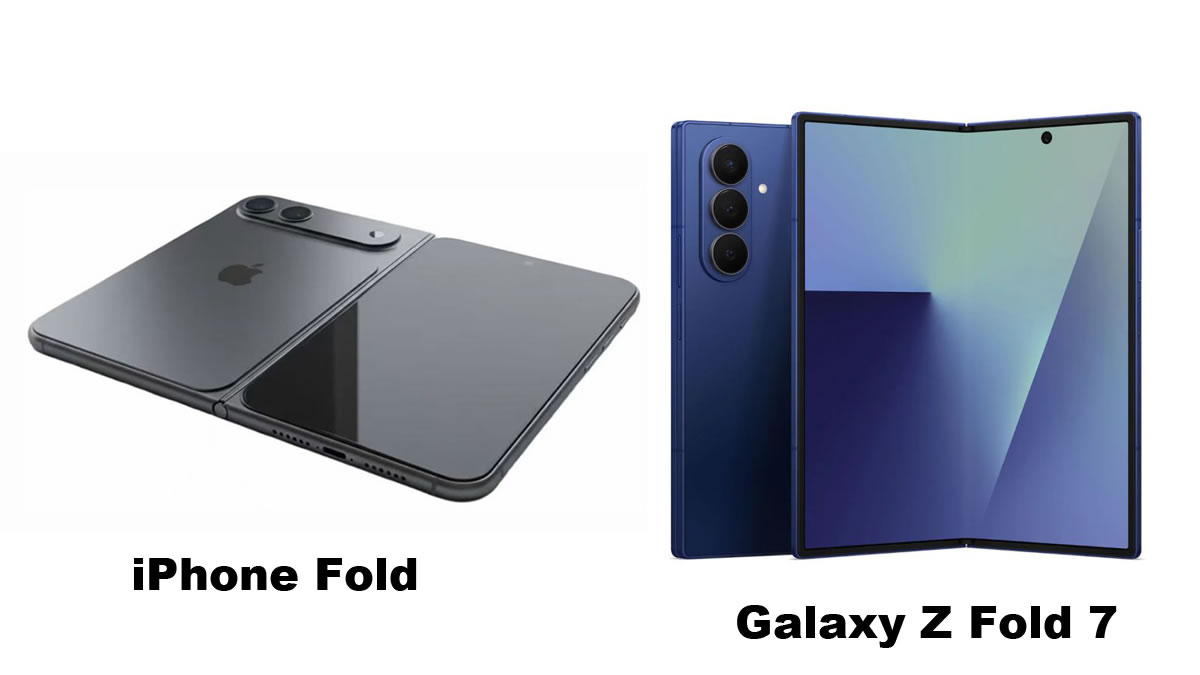

Apple’s long-rumored foldable iPhone may finally be nearing reality, but the biggest surprise is not the design, the price, or even the futuristic hinge. According to a growing wave of leaks, Apple’s first foldable device, widely expected to launch as the “iPhone Ultra,” could become the most repairable foldable phone in the industry.
That would represent a dramatic shift in a category notorious for fragile internals, expensive repairs, and devices that often become nearly impossible to service once damaged. While Samsung, Google, and Huawei spent years racing to perfect folding displays, Apple appears to be targeting a different weakness in the market altogether: durability and long-term usability.
New reports suggest Apple engineers have redesigned the internal structure of the iPhone Ultra with a more modular architecture, allowing components to be accessed without the nightmare cable routing common in today’s foldables. Apple’s foldable iPhone Ultra leak reveals radical design shift previously hinted at Apple’s unusual engineering decisions, but fresh supply-chain leaks now suggest the company could fundamentally change how foldables are repaired.
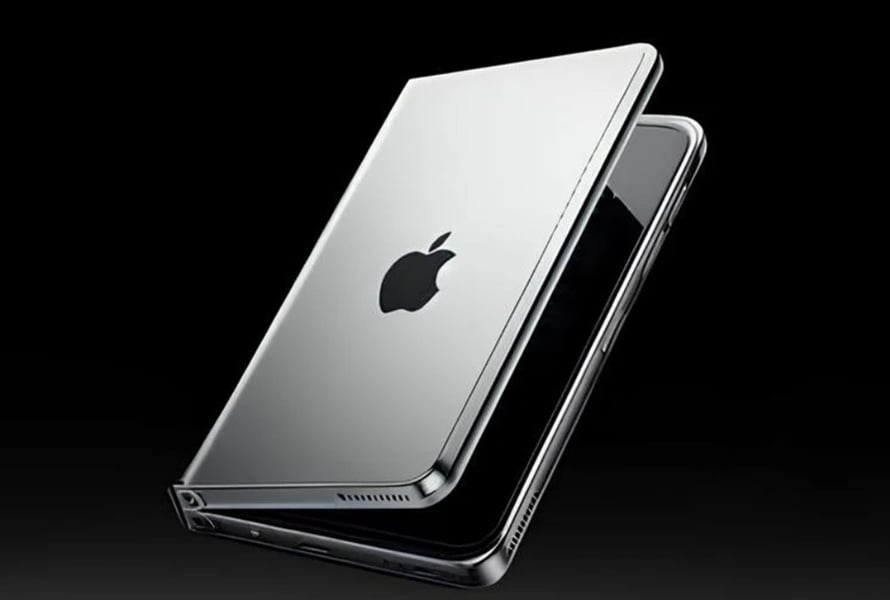
That engineering decision could become a defining selling point.
Foldable phones remain difficult to repair, with display replacements often costing hundreds of dollars and hinge repairs requiring near-complete disassembly. Apple appears determined to avoid those criticisms before even entering the market.
The timing is also politically convenient. European regulators have intensified pressure on smartphone makers to improve repairability standards and extend device lifespans through right-to-repair legislation. Apple, once criticized for making products difficult to repair, now seems eager to position itself as the company solving foldables’ biggest weakness.
But repairability is only one part of the story.
Dummy units and leaked renders circulating online show a device that looks dramatically different from traditional iPhones. Instead of a tall candy-bar shape, the foldable iPhone reportedly adopts a passport-style design that opens into an iPad-like display. iPhone Ultra leak reveals radical foldable design became one of the earliest signs Apple was abandoning its conventional smartphone form factor.
Some reviewers praised the wider aspect ratio and tablet-like multitasking potential. Others mocked the folded form factor as bulky and awkward compared to current flagship phones.
One YouTube personality described the folded device as “a major downgrade” from normal iPhones, while critics called the design “the worst of both worlds” because of its unusual thickness and shorter dimensions.
Still, Apple’s strategy may not be about making the thinnest foldable. It may be about making the first foldable that feels reliable enough for mainstream consumers.
Leaks suggest the iPhone Ultra could feature a 7.8-inch internal display alongside a 5.5-inch outer screen, positioning it somewhere between an iPhone and an iPad mini in usability. Analysts also expect Apple to use a titanium and liquid metal hinge system designed to reduce display creasing, one of the most persistent visual flaws in competing foldables.
That hardware could also support Apple’s crease-free foldable display technology, an area where Samsung and several Chinese rivals still face criticism despite years of refinement.
Reports further indicate Apple may revive Touch ID for the foldable instead of relying exclusively on Face ID, largely because folding designs complicate the placement of advanced facial recognition hardware. The company is also rumored to be preparing major multitasking upgrades inside iOS 27 to better support foldable screens.
Industry observers believe Apple understands that software, not hardware alone, will determine whether foldables ever become truly mainstream. Apple’s Ultra strategy increasingly points toward a future where ultra-premium devices blur the line between smartphones, tablets, and laptops.
That challenge remains enormous.
Samsung has spent nearly seven years refining foldables through the Galaxy Z Fold lineup, while Chinese brands like Honor, Huawei, and OnePlus aggressively improved hinge engineering and device thickness. Galaxy Z Fold 8 leak reveals radical wide design shift and Samsung Galaxy Z Fold 8 and Flip 8 leaks suggest Samsung is preparing aggressive upgrades before Apple officially enters the category.
Apple is entering late, but historically the company has rarely cared about being first. Instead, Apple waited years to perfect foldables, according to multiple analysts tracking the company’s development process.
That same strategy transformed smartwatches, tablets, and wireless earbuds into billion-dollar categories after competitors had already arrived years earlier.
The foldable market could now face the same disruption.
According to analyst reports, the foldable iPhone could cost more than $2,000. While that pricing would position the device above nearly every mainstream smartphone, Apple appears confident premium buyers will pay for durability, ecosystem integration, and brand loyalty.
Some forecasts suggest Apple could still ship millions of units if demand matches the hype surrounding the company’s first major iPhone redesign in years. However, foldable iPhone delay fears continue to circulate as Apple reportedly struggles to finalize display yields and hinge reliability testing.
Online reaction has already become deeply polarized. Some Apple fans celebrated the idea of a foldable focused on longevity instead of gimmicks, while others questioned compromises such as thickness, weight, and the possibility of online backlash over missing MagSafe support.
Yet the debate itself may reveal something important: Apple’s foldable is no longer theoretical.
After years of patents, rumors, and delays, the company now appears committed to launching a foldable flagship that could redefine what consumers expect from the category. Whether critics embrace the unusual design or not, Apple seems ready to challenge Samsung not by copying its foldables, but by attacking the industry’s biggest frustrations head-on.