
Samsung’s next-generation foldable lineup is already generating major buzz months before launch, and the latest Galaxy Z Fold 8 leaks suggest the company is preparing one of the biggest hardware overhauls in Fold history. Multiple reports indicate Samsung may finally address nearly every major criticism users have had with previous Fold devices, including narrow displays, underwhelming cameras, battery limitations, and overall usability.
According to newly leaked specifications and One UI 9 firmware traces discovered by Android Authority, Samsung is reportedly preparing two premium foldable models this year: the standard Galaxy Z Fold 8 and a brand-new Galaxy Z Fold 8 Wide variant. The firmware-level evidence, where device animations and layout configurations were found, strongly indicates Samsung is already testing how the interface adapts to different foldable geometries. The introduction of a wider foldable could represent Samsung’s biggest strategic shift since the original Galaxy Fold launched, especially as competition in the foldable market intensifies ahead of Apple’s long-rumored foldable iPhone.
A wider display that changes everything
Samsung’s Fold series has long faced criticism for its tall and narrow cover screen, which many users considered awkward for typing and multitasking. Leaks now suggest Samsung plans to introduce a much wider outer display with a more tablet-like aspect ratio aimed at making the Fold feel closer to a traditional smartphone when closed.
The Galaxy Z Fold 8 Wide is expected to adopt a 4:3 aspect ratio, a format more commonly associated with tablets like Apple’s iPad. Leaked dimensions suggest the device could measure around 161.4mm wide when unfolded and just 4.3mm thick, making it one of the thinnest foldables ever produced. Analysis comparing the Galaxy Z Fold 8 Wide against the Huawei Pura X Max suggests Samsung’s device could be both slimmer and more refined than its Chinese rival.
The standard Galaxy Z Fold 8 is reported to feature an 8-inch foldable AMOLED display paired with a 6.5-inch cover display, both supporting a 120Hz refresh rate.
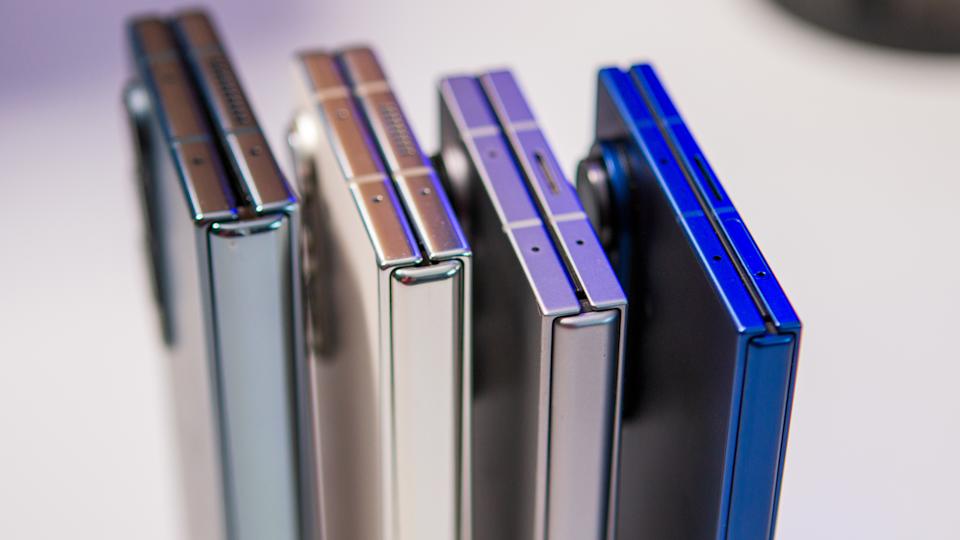
A wider display could make apps feel more natural and reduce the need for awkward scaling, one of the persistent issues in foldable software optimisation. The leaked dimensions reinforce Samsung’s intent to push the Fold closer to a true tablet replacement rather than a hybrid compromise.
Crease-free: the final frontier
At the center of the engineering effort is a redesigned hinge mechanism widely tipped to be the key behind minimal visible creasing. Sources suggest Samsung is pairing this hardware upgrade with an improved OLED panel, potentially derived from prototypes that demonstrated almost no visible fold line. Reports indicate the company is aggressively working toward a crease-free experience, long considered the final barrier to mainstream adoption.
For years, the crease has been both a visual distraction and a tactile compromise, a reminder that foldables are still a work in progress. Eliminating it would not just be a cosmetic win but a symbolic one, signaling that foldables are ready to move from novelty to norm. Samsung is also reportedly improving the ultra-thin glass layer and hinge design to significantly reduce visible creasing across both models.
Camera: flagship-grade at last
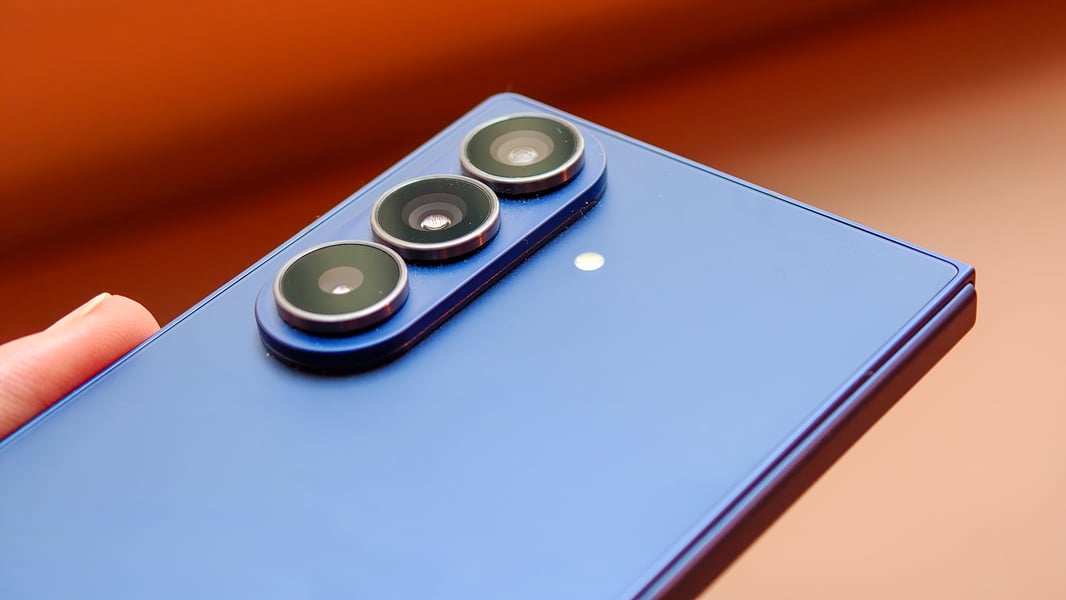
Camera upgrades could become one of Samsung’s biggest selling points this year. The standard Galaxy Z Fold 8 is rumored to feature a flagship-grade 200MP primary sensor, accompanied by a 50MP ultrawide camera and a 10MP telephoto lens with 3x optical zoom. That would place the Fold 8 much closer to Samsung’s Ultra-series photography capabilities than any previous Fold model.
However, the Wide variant may come with notable compromises. Several leaks suggest Samsung could remove the telephoto lens entirely on the Fold 8 Wide, replacing it with a simplified dual-camera setup consisting of wide and ultrawide sensors only. TechRadar’s analysis of internal prototypes hints at a shift in camera placement and UI scaling that further differentiates the Wide Fold from the standard Z Fold 8. While the wider display may appeal to productivity-focused users, photography enthusiasts have already criticised the possible downgrade.
Battery, performance, and S Pen
Battery life is another area where Samsung may finally deliver meaningful improvements. The standard Fold 8 is expected to pack a larger 5,000mAh battery with support for 45W fast charging, a major jump over earlier Fold generations. The Fold 8 Wide is rumored to feature a slightly smaller battery between 4,700mAh and 4,800mAh.
Performance upgrades are expected across the board, with leaks pointing to the Snapdragon 8 Elite Gen 5 chipset alongside up to 16GB RAM and 1TB of storage. Samsung is reportedly pairing the new hardware with Android 17 and One UI 9, heavily emphasising Galaxy AI features, productivity tools, and advanced multitasking.
One of the most controversial aspects involves the S Pen. Rumors remain conflicting, but several reports suggest Samsung may either reduce integrated S Pen functionality or abandon the built-in stylus slot altogether to prioritise a slimmer design. Other leaks indicate Samsung could continue offering external S Pen compatibility rather than fully removing stylus support.
Galaxy Z Flip 8: lighter, thinner, crease-free
The Galaxy Z Flip 8 is expected to showcase Samsung’s engineering refinement in its most compact form. Leaks indicate the device will be lighter, dropping from roughly 188 grams to around 180 grams, while also becoming slightly thinner thanks to a new hinge design. The crease-reduction work carrying over from the Fold lineup could make the Flip 8 feel meaningfully more polished than its predecessor.
These changes may sound minor, but in a category where portability defines appeal, even marginal reductions in weight and thickness can significantly affect user experience. Reports consistently suggest that key components, battery capacity, charging speeds, and camera systems, will remain largely unchanged from the previous generation, with the focus firmly on durability and feel rather than spec-sheet gains.
Competitive pressure and timing
The timing of these upgrades is particularly important for Samsung. Foldable smartphones are entering a new phase of competition, with Apple, Oppo, Honor, Xiaomi, and Google all aggressively expanding their premium foldable ambitions. Samsung appears determined to maintain its dominance by evolving the Fold lineup into multiple categories rather than relying on a single flagship foldable device.
Current leaks suggest Samsung could officially unveil the Galaxy Z Fold 8 lineup during its next Galaxy Unpacked event expected in July 2026 in London, alongside Galaxy AI glasses and the Watch 9. Pricing is rumored to remain close to existing Fold models, potentially starting near $1,999 globally and around Rs 1.9 lakh in India.
If Samsung proceeds with both the Galaxy Z Fold 8 and the Wide Fold, it would represent a rare dual-track strategy in smartphone development, testing two competing user experiences within the same generation. The company’s bet is clear: the future of foldables lies not just in novelty, but in utility.