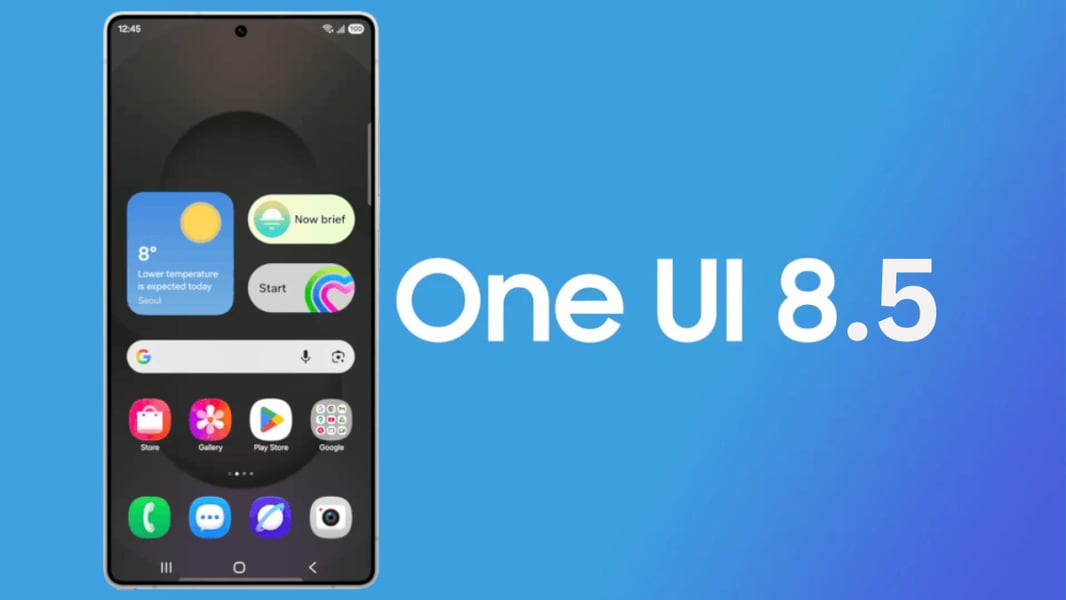
The update introduces a redesigned interface, expanded Galaxy AI capabilities, and broader device support across flagship, foldable, and mid-range Galaxy devices, positioning it as a key transitional release ahead of Samsung’s next-generation One UI 9 platform.
Global rollout begins after Korea-first launch
Samsung first deployed One UI 8.5 to its domestic market, starting with the Galaxy S25 series. The rollout has since expanded to foldable devices and select tablets, with a structured global release beginning May 11.
The update is part of Samsung’s broader software strategy, which has consistently prioritized flagship users before expanding availability to older premium models and mid-range devices.
Massive Galaxy device coverage confirmed
One UI 8.5 is being rolled out across a wide range of Samsung devices, including the Galaxy S25 series, Galaxy S24 series, Galaxy Z Fold 6 and Fold 7, Galaxy Z Flip 6 and Flip 7, and the Galaxy Tab S10 and S11 lineup.
Samsung is also extending support to older flagship models such as the Galaxy S23 series and selected Galaxy A-series devices, depending on region and carrier approval schedules.
The company’s decision to expand software longevity aligns with its recent push toward AI-driven smartphone experiences, as detailed in coverage of Galaxy AI expansion across older Galaxy devices.
One UI 8.5 built on Android 16 with Galaxy AI upgrades
At its core, One UI 8.5 is built on Android 16 and introduces a major upgrade to Samsung’s Galaxy AI ecosystem. The update enhances communication tools, productivity features, and creative editing capabilities, integrating AI more deeply into everyday smartphone use.
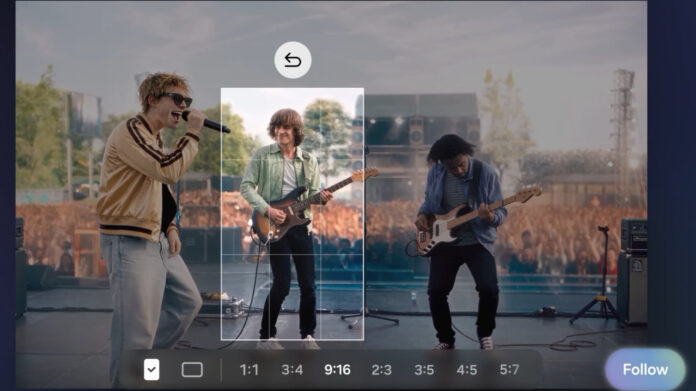
Samsung has also expanded AI-driven editing tools, with improvements to image processing and generative assistance. These upgrades reflect the company’s broader AI strategy, which continues to evolve across its ecosystem of smartphones and tablets.
Further technical enhancements to Samsung’s AI editing suite were previously reported in the overhaul of Galaxy Enhance-X under One UI 8.5.
New design direction and usability upgrades
One UI 8.5 introduces a refined user interface with smoother animations, improved responsiveness, and enhanced customization options for users. The Quick Panel has been redesigned to offer greater flexibility, allowing users to rearrange and resize system controls more freely.
Samsung is also focusing on improving consistency across its ecosystem, ensuring a more unified experience between smartphones, tablets, and Windows-connected Galaxy devices.
This ecosystem integration aligns with Samsung’s ongoing efforts to unify its software experience, including improvements seen in Galaxy Connect integration on Windows systems.
Feature expansion beyond premium users
One of the most notable changes in One UI 8.5 is Samsung’s decision to extend AI features beyond flagship devices. A simplified version of Galaxy AI is being introduced for mid-range Galaxy A, M, and F series smartphones under a lightweight framework designed to maintain performance stability.
This move significantly broadens access to AI-powered features across Samsung’s global user base, making advanced functionality available to millions of users who do not own flagship devices.
However, Samsung’s software ecosystem transition has not been without controversy, particularly following changes to default messaging platforms. The shift was previously highlighted in reports on Samsung Messages shutdown and Google Messages transition.
Rollout timeline and availability expectations
The One UI 8.5 rollout will continue in phases throughout May and June 2026. Device availability depends on region, carrier certification, and hardware compatibility.
Most eligible Galaxy devices are expected to receive the update by the end of June, completing one of Samsung’s most extensive software deployment cycles in recent years.
The rollout timing also reflects broader industry competition, as Android manufacturers continue accelerating update cycles to match evolving user expectations. The Android ecosystem itself is undergoing parallel interface and usability changes, including developments such as interface customization experiments in Android 17, as seen in discussions around Google Pixel interface updates.
Competitive pressure and ecosystem strategy
Samsung’s One UI 8.5 release comes at a time when global smartphone makers are intensifying their focus on AI-driven operating systems. The update strengthens Samsung’s position by embedding artificial intelligence deeper into system-level functions rather than treating it as an optional feature.
Industry analysts suggest that Samsung’s strategy is increasingly centered on long-term ecosystem retention, where software updates play a key role in maintaining user engagement and device value across multiple generations of Galaxy hardware.
Final outlook
One UI 8.5 represents a major step in Samsung’s software evolution, combining Android 16 foundations with expanded Galaxy AI capabilities and improved device support. While positioned as a mid-cycle update, its scope and impact make it one of the most important Galaxy software releases in 2026.
With global rollout now underway, Samsung users across flagship and mid-range devices can expect a significantly upgraded experience as the update continues to expand over the coming weeks.