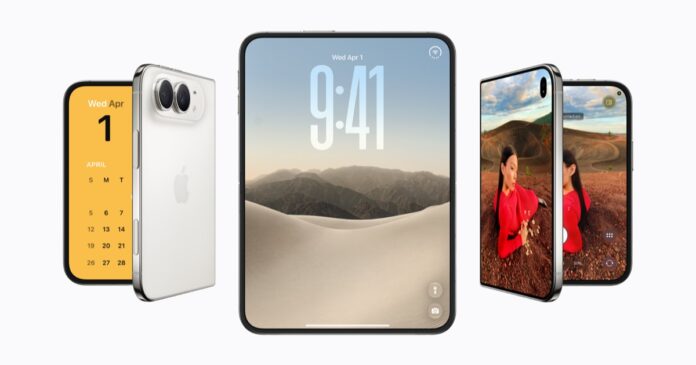

SEOUL — Samsung unveiled the Galaxy Z Fold 8 this week at its Galaxy Unpacked event in London, and the phone is the best foldable Samsung has built. The 200-megapixel main camera, 5,000mAh battery, and wider display format represent genuine improvements over the Z Fold 7. The timing of the launch is, however, conspicuous: Apple’s foldable iPhone is expected in September. The question is not whether Samsung improved. It is whether it improved enough.
The core specifications of the Z Fold 8 close gaps that Samsung’s competitors and critics have flagged for two generations. The main camera jumps from 50MP to 200MP — a number that belongs in a spec sheet for a traditional flagship, not a device that bends in half. The ultrawide lens rises from 12MP to 50MP. Battery capacity increases from 4,400mAh to 5,000mAh with 45W wired charging, addressing a complaint that the Z Fold 7’s power delivery was dated the day it shipped. The processor is Qualcomm’s Snapdragon 8 Elite Gen 5 with up to 16GB of RAM. Starting price: $1,999.
Samsung is also introducing the Galaxy Z Fold 8 Wide, a variant with a 7.6-inch inner screen in a 4:3 aspect ratio. The standard Z Fold line has always been a tall, narrow device when open — something closer to a phone that happens to unfold than a tablet that happens to fold. The Wide model attempts to solve that. Whether a squarer, more tablet-like form factor translates to real-world utility is something Samsung will need to demonstrate to buyers who have declined to spend $2,000 on any of the previous seven generations.
Samsung commands the largest share of a foldable phone market that still accounts for roughly two percent of global smartphone shipments. That market share has been meaningful in commercial terms because Samsung has had no serious competition from the one company capable of changing those dynamics. That is no longer the situation. Apple’s foldable iPhone Ultra is on track for a September launch, with mass production underway and the company targeting ten million units — a number that, if met, would give Apple a larger first-cycle volume than any previous iPhone model variant outside the base lineup.
The pricing structure matters here. Samsung’s Z Fold 8 starts at $1,999 and climbs past $2,500 for top configurations. Apple’s foldable iPhone Ultra is expected to arrive at approximately $2,500 for the base model. These devices will occupy the same consumer decision in the same shopping cycle. A buyer who purchases the Z Fold 8 in August is spending $2,000 on the implicit assumption that Apple’s September device will not make that choice look mistaken six weeks later.
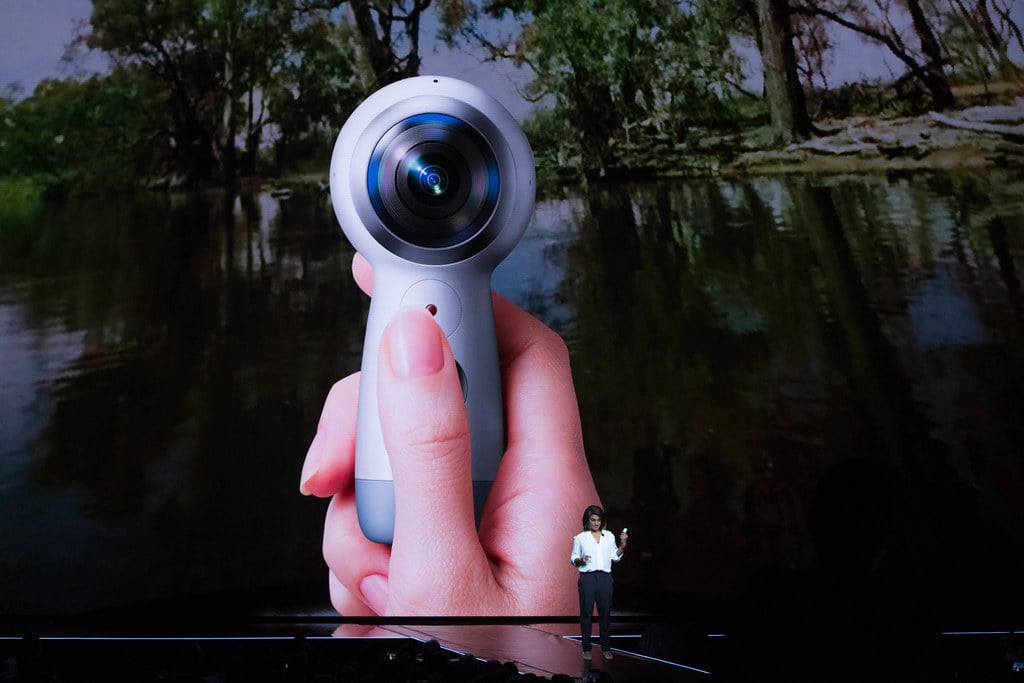
Samsung has been building toward this Unpacked for longer than the specifications reveal. The company has watched the foldable category mature from a niche curiosity to a small but meaningful segment of the premium phone market, and has invested in the category with each generation in ways that rivals have not fully matched on software, ecosystem integration, or durability. Pre-Unpacked leaks had already exposed the Z Fold 8’s full specification set, which left the London event short of genuine surprise but long on execution detail.
The durability question that has trailed foldable phones since the first Galaxy Fold in 2019 is addressed in the Z Fold 8 through Gorilla Glass Ceramic 2 on the cover display and a redesigned hinge mechanism Samsung says will outlast its predecessors. These claims are not verifiable before extended real-world use. What is verifiable is that the Z Fold 7’s hinge did not create the kind of systematic reliability complaint that would have sent buyers away. Samsung is iterating on something that already works, not fixing something that does not.
The AI integration in One UI 8, Samsung’s software layer for the Z Fold 8, is positioned as a differentiator against a device that does not yet exist. Samsung cannot advertise against Apple’s foldable because Apple has not announced its foldable. What Samsung can do is establish a software ecosystem on Android that has a year of foldable-optimized AI features before iOS has any. That is the implicit argument Unpacked was making in London, even if no slide said so directly.
What neither Samsung nor any analyst covering the foldable category can answer is whether the two percent of global smartphone buyers who purchase foldable phones will expand significantly when Apple enters the market. The optimistic scenario for Samsung is that Apple’s presence validates and grows the overall foldable category, lifting Samsung alongside. The less optimistic scenario is that Apple captures the premium buyer who has been waiting for a foldable from the company they already use, shrinking Samsung’s share of a market that does not grow fast enough to compensate. Which of those scenarios materializes will be visible in the December quarter earnings calls, not in the London presentation.