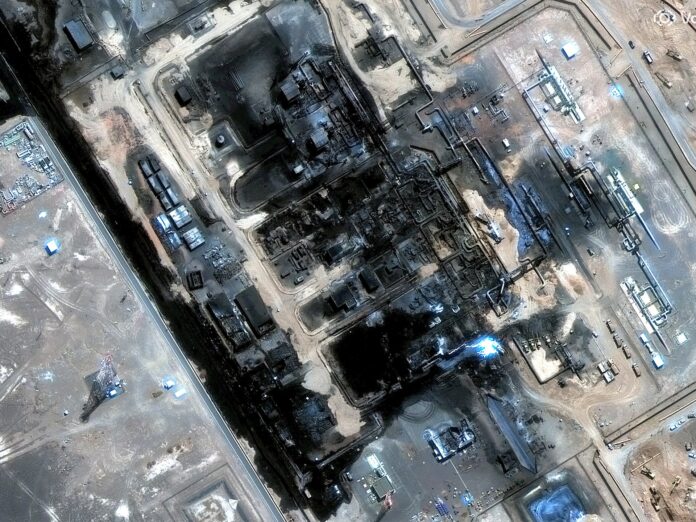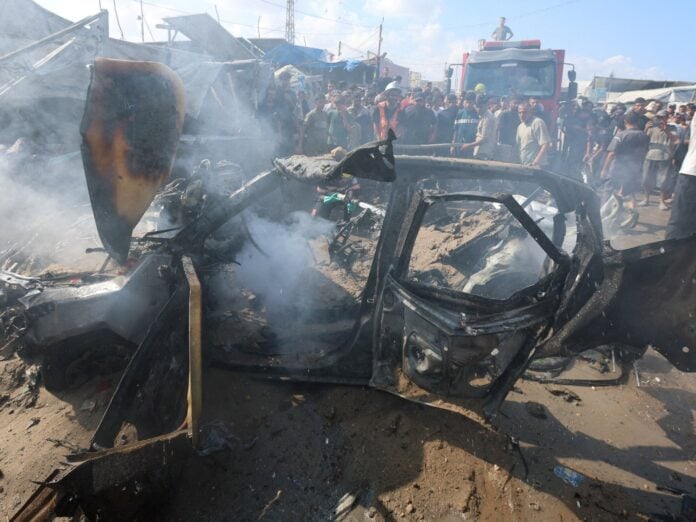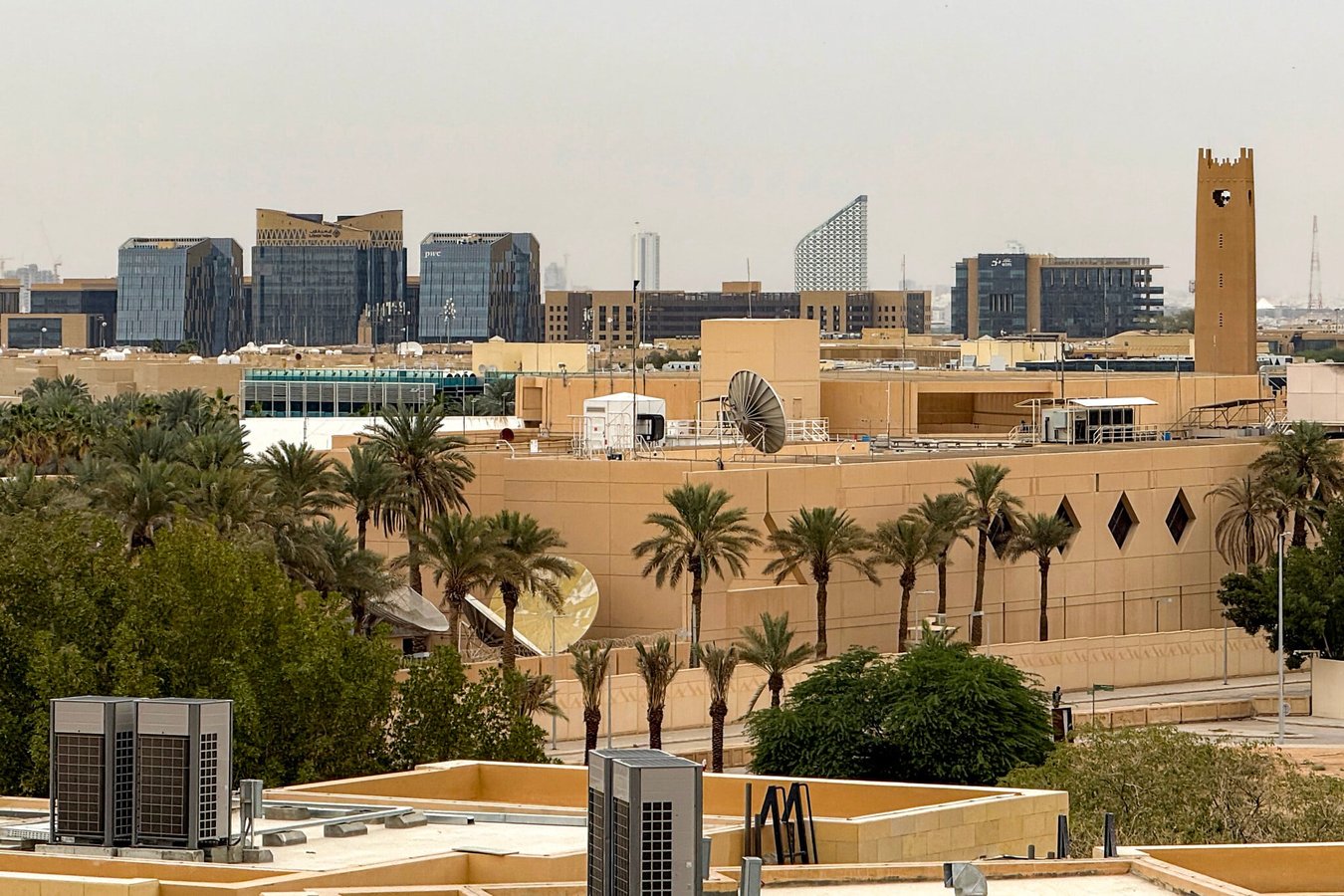

RIYADH — The first drone detonated against the exterior perimeter of the United States embassy compound in Riyadh in March. The second passed through the opening it created and detonated inside. No American casualties were announced. The CIA station embedded in the compound had been struck with a precision that Iranian drones had not previously demonstrated, and US intelligence analysts are still trying to determine how.
What the investigation has established, according to reporting by The Times of Israel, which reviewed classified assessment summaries provided by four officials familiar with US intelligence findings, is that Iran struck at least two CIA facilities in the region last spring: the station inside the Riyadh embassy and a separate facility in eastern Iraq. A memo produced by one Western intelligence service concluded that Russia had “likely played a role” in helping Iran identify and hit those targets.
One official put the total number of CIA-linked facilities potentially struck across the region at “more than one and fewer than a dozen.” No additional confirmed locations have been publicly identified beyond Riyadh and eastern Iraq, and the CIA has never publicly acknowledged the existence of stations inside the Gulf diplomatic missions that were targeted.
The specific mechanism under scrutiny is the Kometa-M satellite navigation system, which Russia allegedly supplied to Iran in late 2025. Kometa-M is more accurate and harder to jam than the indigenous guidance systems Iran had been using in its Shahed-series loitering munitions, according to analysts briefed on the intelligence. That navigational upgrade is what made the two-stage Riyadh attack possible: the second drone required accurate knowledge of the opening made by the first, and the ability to fly through a gap undetectable to a system using older guidance technology. The Kremlin dismissed the allegation as “fake news.”
The question of how Iran knew where to look inside the compound is a separate and more uncomfortable one. Some analysts have argued that Iran simply targeted the embassy building broadly and struck the CIA station by chance. Others, including officials who have seen the internal memo attributing likely Russian involvement, believe the accuracy of the strikes on a specific interior building inside a secured compound is inconsistent with general targeting. Both arguments remain live within the US intelligence community, and no firm conclusions have been reached.
Daniel Hoffman, a former CIA station chief who served across the Middle East and Eastern Europe, framed the partnership in terms of strategic alignment rather than explicit coordination. “They share an interest in trying to reduce or eliminate US influence” in their respective spheres, he said, referring to Russia and Iran. The cooperation need not be formalized in a targeting operation to be effective: Russia’s interest in degrading American intelligence infrastructure in the Gulf overlaps sufficiently with Iran’s own military objectives that both governments could be pursuing the same outcome through different contributions to the same mission.
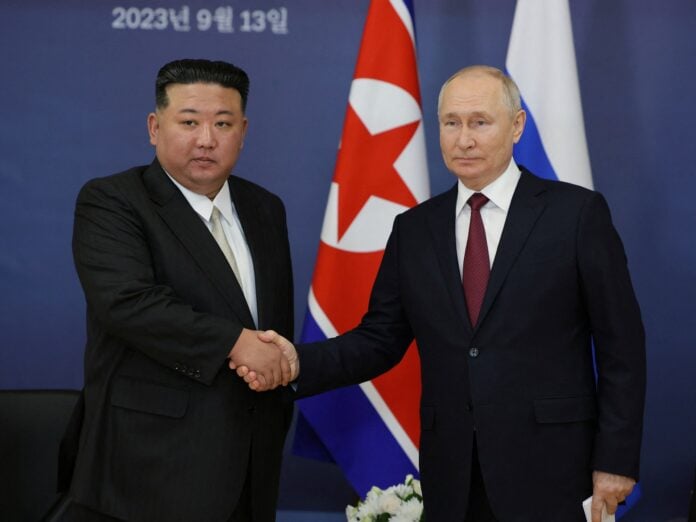
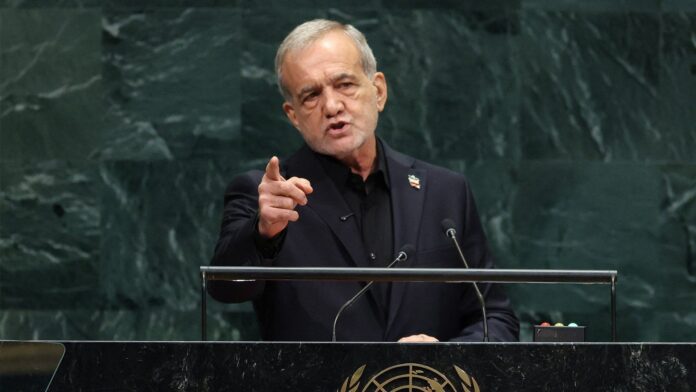
That alignment has been building for years. After the January 2025 Russia-Iran strategic partnership agreement, Iranian President Masoud Pezeshkian used his meeting with Russian Deputy Security Council Chairman Dmitry Medvedev in Tehran to press for faster implementation of deepening strategic cooperation, including in areas that both governments have used to describe military and intelligence exchanges. The language at the time was diplomatic. The Riyadh strike, if the intelligence assessment is correct, represents what that diplomatic language means in practice.
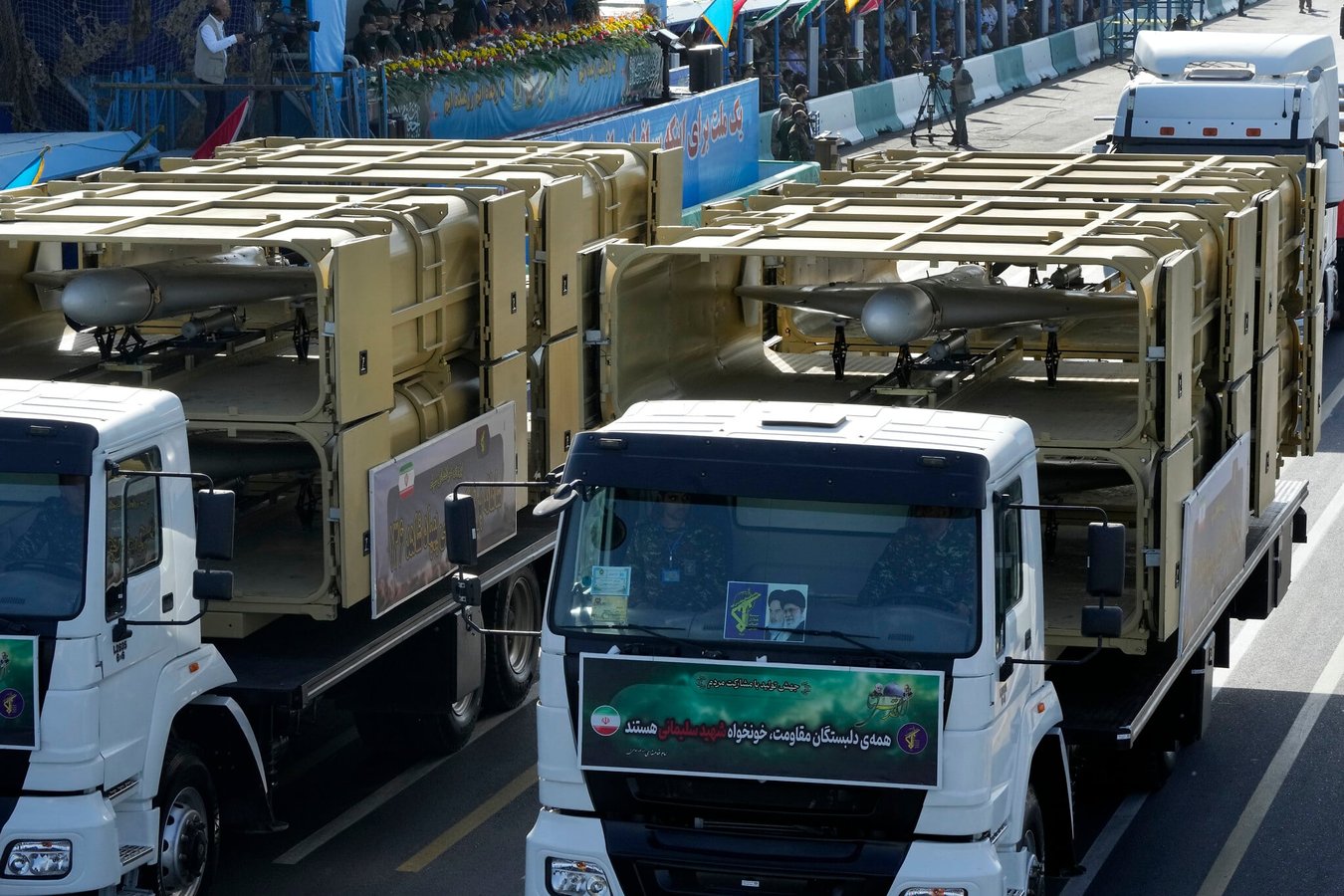
The Kremlin’s denial follows a pattern that Western intelligence analysts have noted across multiple allegations of Russian military technology transfers to Iran. Russia only acknowledged providing Shahed drone manufacturing technology to Iran in 2022 after Ukrainian forces captured intact components and independent analysis confirmed Russian-origin parts. The Kometa-M allegation has not yet reached that threshold of independent verification, and Russia’s denial cannot be definitively refuted on current evidence. The intelligence memo itself stopped short of certainty.
What is not in dispute is that Iran’s strike capability in the current war has become markedly more precise. Separate intelligence assessments this week found that Iran’s drone and missile strikes on US military positions across the Gulf region have not degraded despite twelve consecutive nights of American bombing, a finding consistent with the Kometa-M hypothesis: if Iran’s guidance systems are now resistant to jamming, that advantage is structural, not a function of stockpile size.
For US intelligence, the more immediate question is what the CIA facility strikes revealed about American exposure in the region. The stations were physically secure by conventional military standards. They were not publicly identified. If Russia provided targeting data specific enough to direct a two-stage drone strike at a building inside a walled diplomatic compound, it suggests that Russian intelligence on the interior layout of American missions in the Gulf has reached a level of detail that US counterintelligence has not fully mapped.
That is the unresolved question at the center of the investigation. Whether Russia supplied the navigation technology, the target coordinates, or both, the CIA’s physical presence in the Gulf has now been demonstrated to be more legible to America’s adversaries than the intelligence community had assumed. The drone that flew through the opening in Riyadh did not require perfect information. It required good enough information to act, and that, it appears, is what it had.