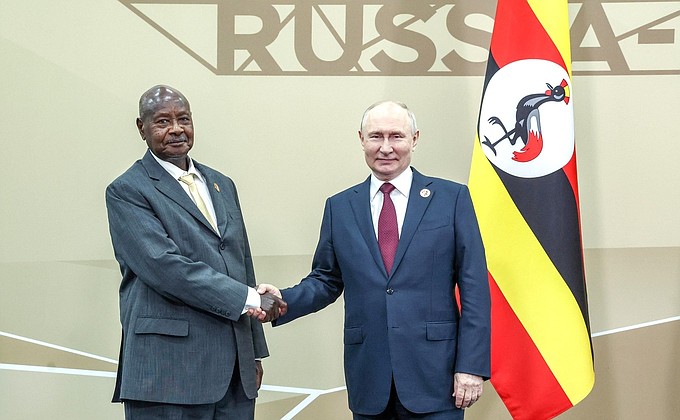

TEHRAN — Iran’s president used Friday’s meeting with Russia’s deputy security chief to press publicly for faster implementation of what both governments have called a strategic partnership, offering the first substantive account of the conversations that took place in Tehran around the farewell ceremony for former Supreme Leader Ali Khamenei.
Masoud Pezeshkian “highly appreciated the support and expressions of sympathy from the Russian government and people,” Iran’s presidential office said in a statement published on Telegram. “During the conversation, he emphasized the need to accelerate strategic cooperation, particularly in the economic, logistical, and regional areas.”
The readout came from the Iranian side. Russia’s Deputy Security Council Chairman Dmitry Medvedev, who arrived in Tehran for the ceremony, had confirmed earlier that the meeting took place but did not publicly characterize its substance.
The three areas Pezeshkian named are not incidental language. Economic cooperation, in the sanctions environment both governments operate under, means oil and gas trading outside Western financial systems, yuan-and-ruble settlement mechanisms, and Iranian access to Russian agricultural and industrial goods. Logistical cooperation is the term both governments have used when discussing supply chains that Western intelligence agencies have publicly described as including Russian drone components and ballistic missile technology flowing to Iran, alongside Iranian Shahed loitering munitions used in the Russian operation in Ukraine. Regional cooperation covers Iran’s network of aligned forces in Lebanon, Yemen, Syria, and Iraq, whose operational continuity is intertwined with Iranian supply chains and diplomatic backing that Russia has a stake in sustaining.
None of that was stated in those terms. Diplomatic readouts rarely are. But the framing Pezeshkian chose was published promptly, with three specific areas named, and that specificity was not accidental. It was a public statement of what Iran wants from the relationship, delivered at a moment when the two governments’ senior officials were in the same room.
The emphasis on speed is worth noting. Iran and Russia signed a comprehensive strategic partnership agreement in January 2025. Both governments have since described implementation as ongoing. Pezeshkian’s call to “accelerate” suggests that from Tehran’s perspective, the pace has not matched the ambition of that agreement, and that the Khamenei funeral gathering was treated as a direct opportunity to push that agenda with a senior Russian security official.
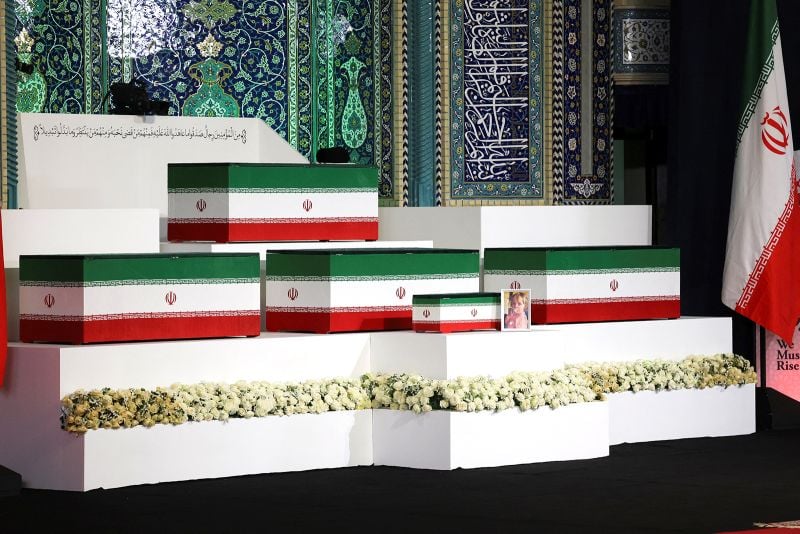
Medvedev’s attendance in Tehran carries more institutional weight than a protocol condolence visit by a foreign minister would. His arrival for the Khamenei farewell ceremony brought Russia’s deputy security chairman into a gathering where a significant portion of the governments that regard current Western sanctions architecture as a common adversary were converging. The bilateral meeting with Pezeshkian was one of several that observers expect took place on the margins.
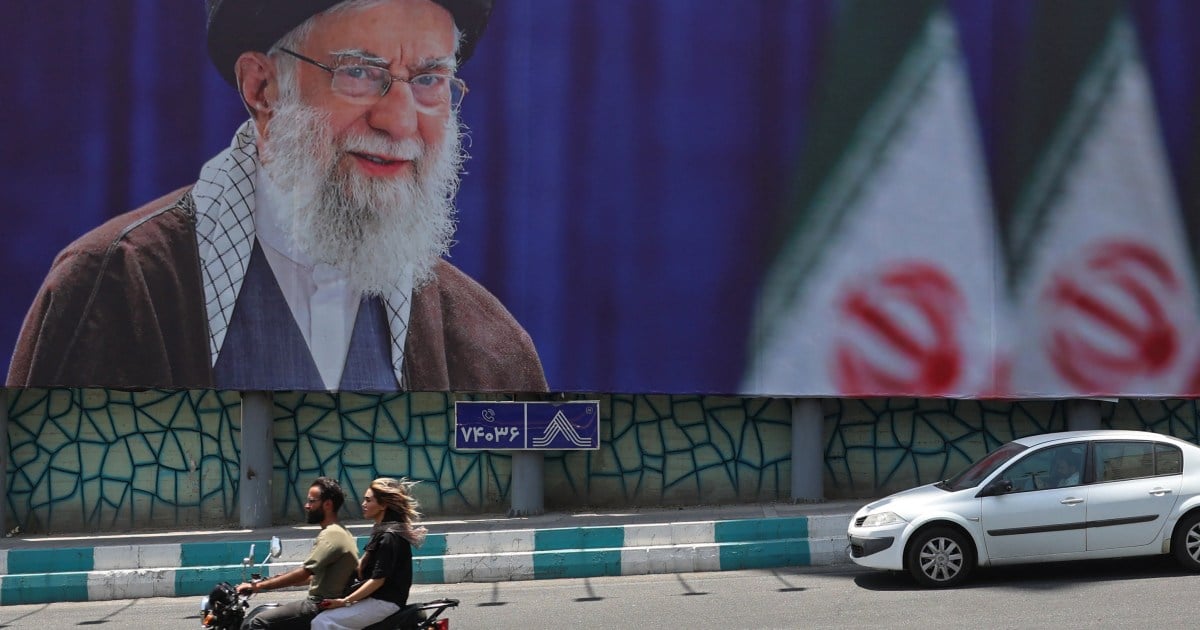
Pezeshkian’s expression of gratitude for Russian “support and sympathy” is also a message for Iranian domestic audiences. Khamenei’s death is a genuine political inflection point, and whoever succeeds him as Supreme Leader will inherit the Russia relationship as one of the defining foreign policy assets of the post-sanctions era. Pezeshkian’s explicit acknowledgment of Russian solidarity at this moment signals to the clerical establishment overseeing the leadership transition that the partnership is being actively managed at the presidential level.
What Russia offered in return, if anything, has not been disclosed. Whether Friday’s meeting produced commitments on timelines, specific cooperation tracks, or the pace of bilateral project implementation remains, for now, the unanswered half of the readout that Tehran chose to publish.