
OSLO – Lise Klaveness, the president of the Norwegian Football Federation, announced on Wednesday that she would file a formal ethics complaint with FIFA over the reversal of Folarin Balogun’s automatic red-card suspension during the 2026 World Cup. The reversal, she said, had followed a direct call from Donald Trump to FIFA chief Gianni Infantino. Filing the complaint, for Klaveness, was not a strategic choice. It was, she said, a matter of institutional necessity: “To try to sweep this under the carpet now will not fly.”
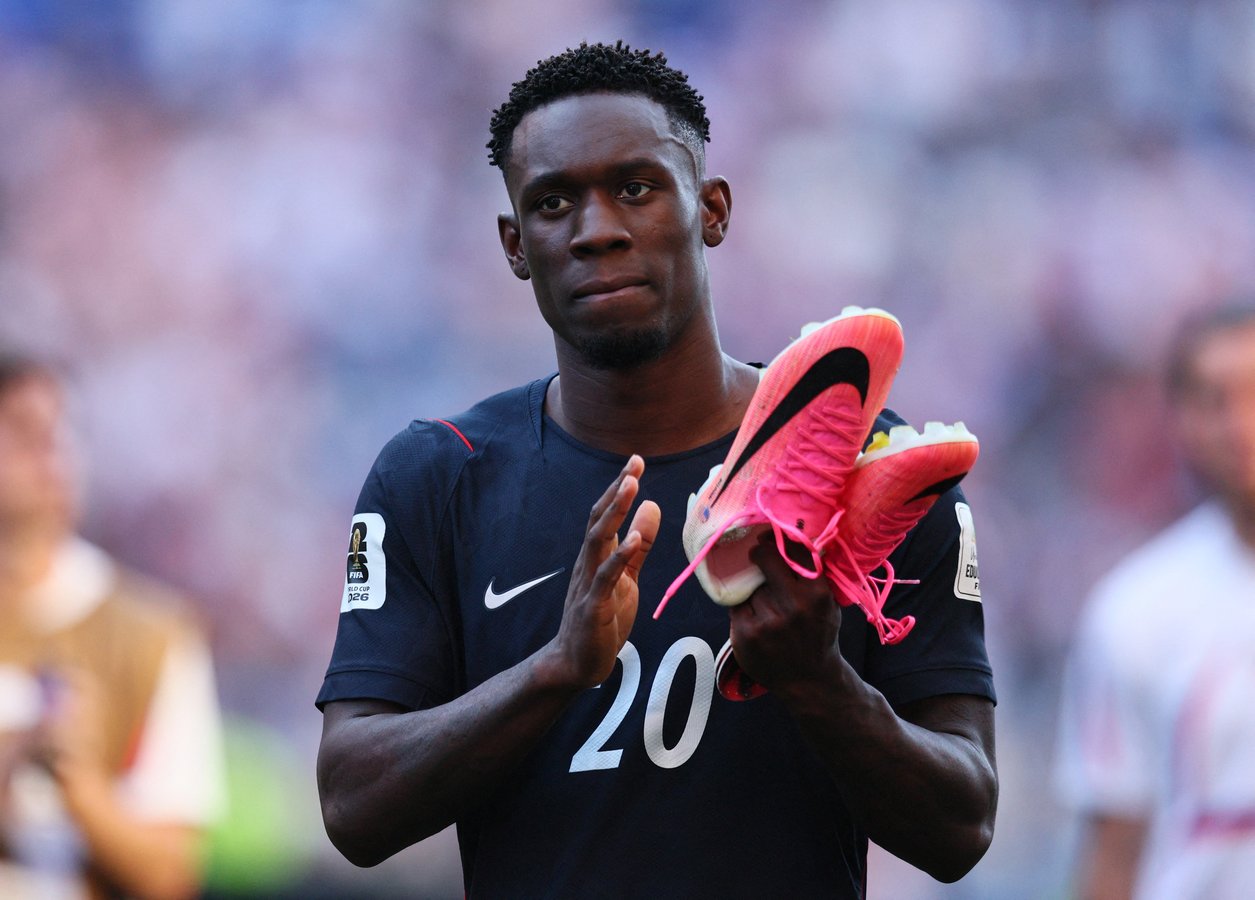
Balogun received his red card in the United States’ last-32 match against Bosnia and Herzegovina. Under FIFA’s standard disciplinary rules, such a card carries an automatic one-match suspension. That suspension should have ruled Balogun out of the subsequent last-sixteen match against Belgium. FIFA reversed the suspension. Balogun played. Belgium defeated the United States 4-1. Whatever advantage Trump’s intervention was designed to confer did not materialise on the pitch.
The sequence of events between the White House and FIFA’s Zurich headquarters has not been fully disclosed. What is established is that Trump contacted Infantino, that the suspension was reversed in a timeframe legal observers described as procedurally anomalous, and that FIFA offered no substantive explanation at the time. The organisation confirmed the reversal but gave no public account of the process that produced it. That silence is now part of what the ethics complaint is directed at.
Infantino’s relationship with Trump had already attracted scrutiny before the Balogun affair. During the 2026 World Cup, co-hosted by the United States, Canada, and Mexico, Infantino presented Trump with what FIFA described as a “Peace Prize.” The designation was widely ridiculed by sports journalists and governance scholars alike. The episode established a pattern of accommodation toward the administration hosting the largest edition of the tournament in the event’s history.
Klaveness described the episode as a structural failure rather than a one-off administrative error. “When you bend a rule like this,” she said, “you’re on a slippery slope that will put the whole game at risk.” Her framing centred on precedent. The question, in her rendering, is not whether Balogun deserved to play but whether FIFA’s disciplinary machinery can retain credibility once it has been observed yielding to a phone call from a head of state. “It is very important now to have honest communication,” she added. “We need our leader in FIFA to say that this was an error.”
Norway’s standing to bring the complaint is not accidental. The federation was present at the 2026 World Cup, one of the smaller nations whose participation validated FIFA’s controversial expansion to 48 teams. “Smaller nations like ourselves, that haven’t been there for 20 years, showed the World Cup could be extended,” Klaveness noted. That investment in the tournament’s legitimacy gives Norway a stake in the integrity of its disciplinary rules. A competition that applies its regulations selectively is one whose results smaller nations cannot fully trust.
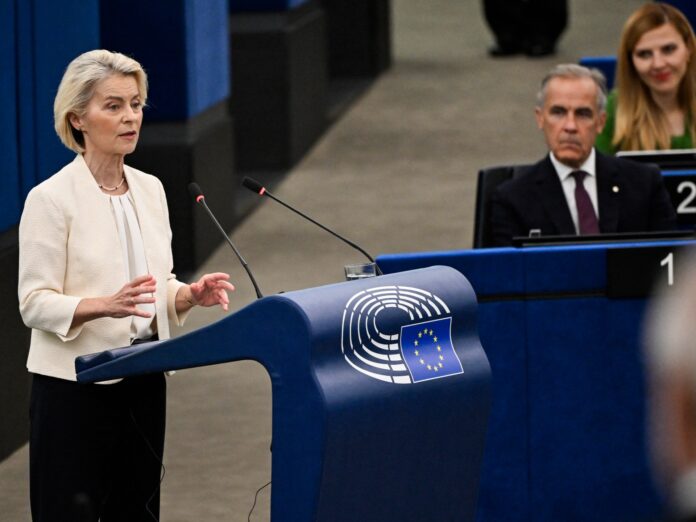
The Norwegian complaint is the third formal institutional challenge to emerge from the Balogun episode. The Council of Europe challenged FIFA’s conduct this week, demanding a binding integrity framework following the continent’s parliamentary body calling out FIFA’s disciplinary breakdown. Before that, the human rights organisation FairSquare filed a complaint with the International Olympic Committee against Infantino personally, alleging that his public alignment with Trump had violated FIFA’s own political neutrality rules and seeking penalties that could include a two-year ban from football governance. Each complaint targets a different leverage point in international sport’s institutional architecture.
The Norwegian complaint is distinctive because it routes through FIFA’s own internal ethics process. FIFA’s ethics committee is nominally independent of the executive. But the committee would be asked to investigate the conduct of the body’s most powerful official in response to a complaint filed by a FIFA member association. Whether that process can operate without interference from the office under scrutiny is a question the complaint itself cannot answer. Klaveness has filed into a system whose independence, in this specific case, has yet to be demonstrated.
What Klaveness said she wants from Infantino at this stage is not a resignation or a structural overhaul. It is an acknowledgment. Her call for “honest communication” and for FIFA’s leadership to admit the reversal was an error understates the formal gravity of an ethics complaint, which could in principle result in sanctions. But it reflects a pragmatism about what the Norwegian federation, operating inside the FIFA system, can realistically achieve. The goal, as she has stated it, is correction rather than rupture.
What neither Norway nor the preceding complaints can answer is whether Balogun himself had any role in requesting or facilitating the intervention. No public account exists from the player, from US Soccer, or from the American federation of what they knew before the suspension was reversed. As Al Jazeera reported, Balogun has not commented on the episode. The silence on the American side leaves the most basic question about individual agency in the affair unresolved, even as the institutional consequences of the phone call accumulate.