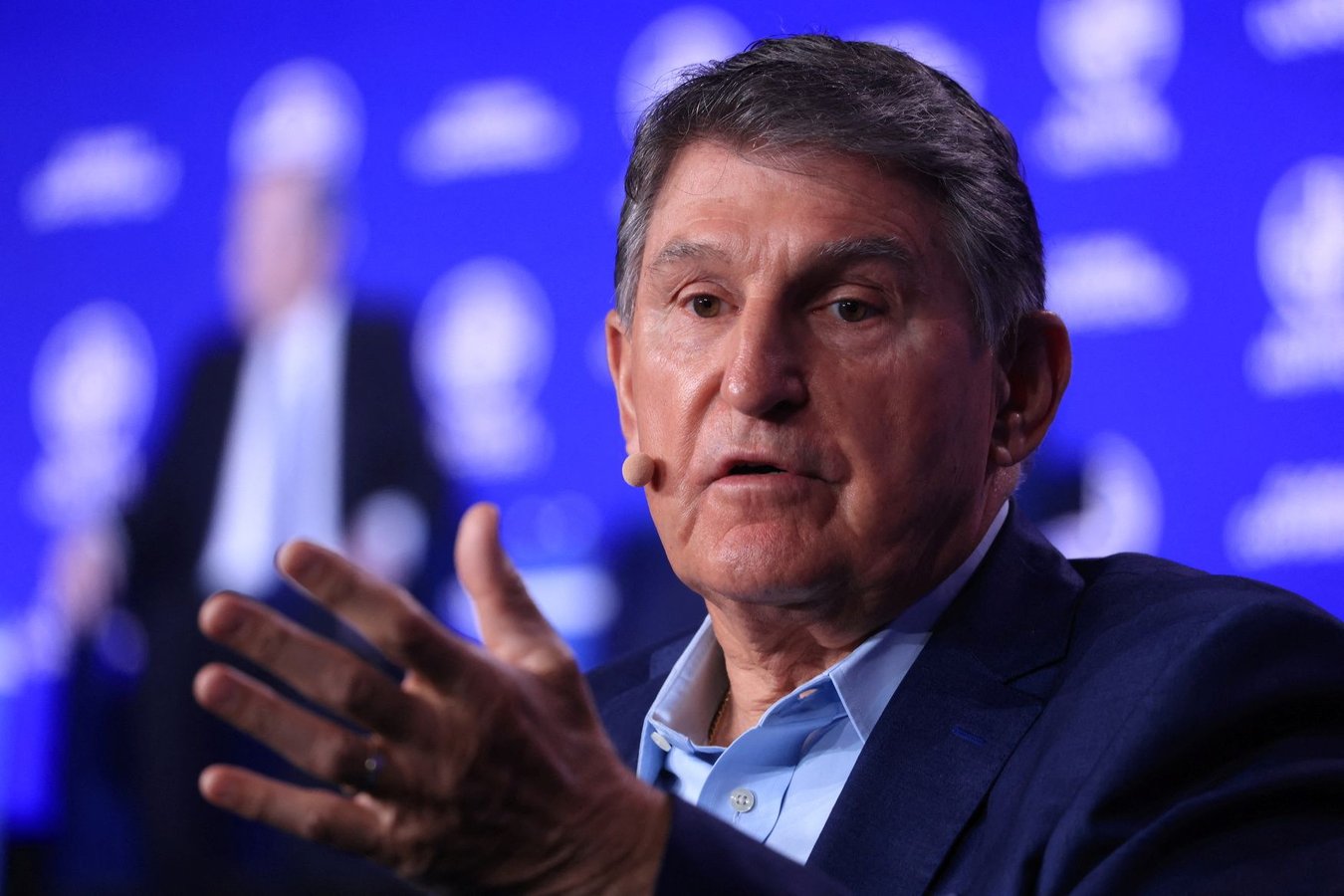

WASHINGTON – Joe Manchin spent most of last year warning anyone who would listen that the two-party system had stopped producing legislators and started producing combatants. On Thursday he did something about it. The former West Virginia senator announced the launch of the Independent Leadership Council, an organization designed to identify, fund, and elect independent candidates to Congress – specifically in competitive districts where party primaries have historically been more decisive than general elections.
Manchin was careful, in the announcement, to distinguish the council from a third political party. “We’re trying to build a true independent network,” he said. “Not a third party, but a movement of people that will bring our country and the people who are participating in politics today more towards the center.” The council pools resources from two existing structures: Americans Together, an organization run by Manchin’s daughter Heather, and Independent PAC, led by Adam Brandon, the former president of FreedomWorks.
Two candidates have already been named as early priorities. Kevin Kiley, who previously served as a Republican congressman from California, and Bill Hill, a candidate in Alaska who has drawn backing from Democratic-aligned donors. The choice of targets is deliberate. Both California and Alaska have electoral systems that allow independent candidates to qualify for general elections without winning a major party primary, which removes one of the structural barriers that has historically made independent congressional campaigns non-viable.
The timing matters. The House passed a combined Iran war and SAVE Act reconciliation bill 216-214 on Wednesday, with the margin thin enough that two Republican defections would have changed the outcome. That pattern – bills of enormous consequence decided by one or two votes along strict party lines – is precisely the dynamic Manchin argues is making Congress non-functional. The council’s pitch to donors and voters is that a handful of genuine independents could break that arithmetic.
Arizona’s Republican gubernatorial primary on July 22 illustrated the internecine pressure primary voters impose on candidates, forcing the field to calibrate positions to a base that may not reflect the general electorate. Manchin’s council is betting that competitive districts with exhausted general-election majorities will produce different results if candidates do not have to survive that filter first.
Semafor reported that the initiative is targeting the current election cycle rather than a longer-term third-party building project. That short horizon is either a sign of realism – the council knows it needs wins quickly to maintain credibility – or a constraint imposed by its funding structure, which does not yet have the scale of the major party campaign committees.
Independent congressional campaigns have an uninspiring record. Ross Perot’s 1992 presidential run produced eighteen percent of the popular vote and zero electoral votes. Angus King in Maine and Bernie Sanders in Vermont have held Senate seats as independents, but both caucus with Democrats and were already well-known figures before their independent runs. The path Manchin is proposing – recruiting and funding first-time or switched-party candidates in open contests – has no close precedent.
Manchin’s underlying argument is not about third-party viability in the abstract. It is about the specific dysfunction of congressional primaries. Both major parties’ primary electorates have moved away from the median voter, he contends, and the result is a legislative chamber that looks nothing like the country that elected it. Whether voters in targeted districts share that diagnosis – or whether they will back an unknown independent over a familiar party label when it counts – is what the council’s early results will test.
What the Independent Leadership Council has not yet produced is a candidate who has committed to running as an independent in a race the council can plausibly win. Kiley and Hill are priorities, not confirmed campaigns. The announcement on Thursday was infrastructure and intent – the organization exists, the money is pooled, the partnerships are in place. Whether any of it translates into something the electoral map will record in November remains the question Manchin has spent a long career raising and has not yet answered.