
PHOENIX – The Republican primary for Arizona governor, set for Tuesday, July 22, has become something more than a contest between two incumbents seeking different offices. It is a test of which faction of the party, the MAGA populism of the House Freedom Caucus or the traditional fiscal conservatism that once defined the state’s brand, that can survive a general election against an incumbent Democratic governor that most strategists already consider among the most vulnerable in the country.
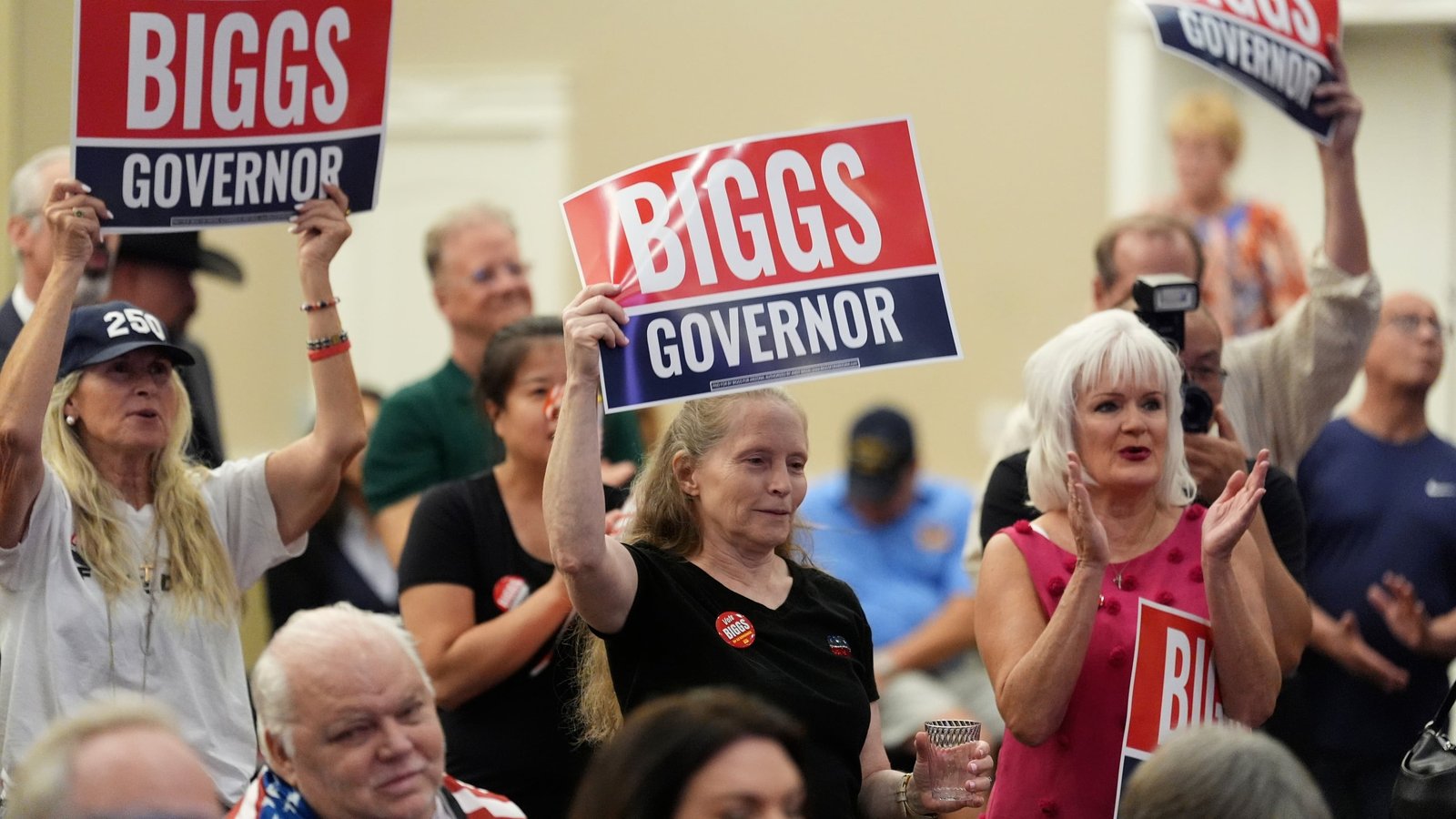
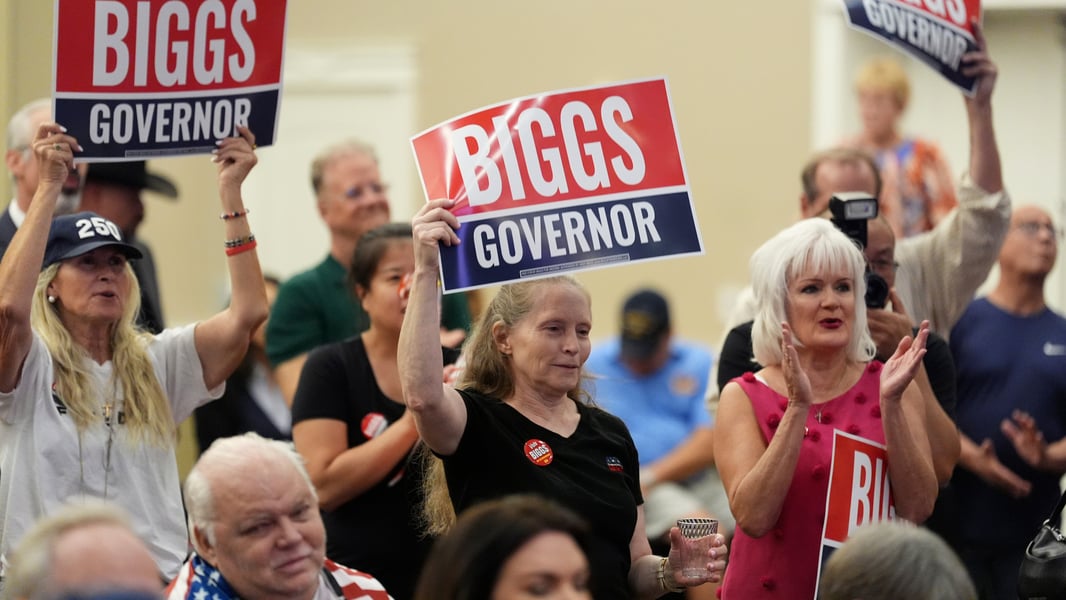
On one side is Andy Biggs, the former House Freedom Caucus chairman who built a national profile by refusing to certify the 2020 election results and became one of Donald Trump’s most reliable allies in Congress. Biggs has Trump’s public endorsement, the organizational backing of Turning Point Action, and a fundraising base drawn from the same small-dollar donor networks that animate the broader MAGA movement. He has never run a statewide race against a competitive Democratic opponent, a fact his critics within the party have raised repeatedly as the primary approached.
On the other is David Schweikert, whose congressional district in the northeastern Phoenix suburbs contains the kind of educated, independent-leaning voters that have made Arizona competitive in federal elections since 2018. Schweikert’s pitch is that he is the candidate who can actually win in November. A Republican focused on the deficit, fiscal discipline, and controlled immigration policy will hold more of the suburban coalition the party lost in Arizona’s last two cycles than a candidate who leads with culture-war positioning and election denial.
The distinction matters more than it might in other states. Arizona elected a Democratic senator twice in 2018 and 2020, and has remained competitive at the statewide level through multiple cycles. Katie Hobbs, the Democratic incumbent, won the governorship in 2022 by a margin that was thin even by Arizona standards. She is, most analysts agree, the most exposed Democratic governor in the country heading into the 2026 cycle, which is precisely why the Republican primary to take her on has attracted this level of attention.
The race also has a subtext rooted in the House. Both men served in Congress together. Biggs led the effort to oust Kevin McCarthy as House Speaker, a move Schweikert publicly opposed. Their disagreements about tactics, when to fight and when to legislate, prefigure the larger argument about what the party should become in a swing state where voter registration trends are moving against Republicans.
Arizona has a history of producing Republican politicians who made their names on ideology and then found the general election terrain less forgiving than expected. The state’s demographic shift, driven by migration from California and other Democratic-leaning states combined with a growing Latino electorate, has made statewide elections consistently close in ways they were not a decade ago. Both Biggs and Schweikert understand this. They disagree about what to do with it.
Trump’s endorsement of Biggs carries weight with primary voters, but his approval rating in Arizona has not returned to its 2020 level. Turning Point Action, the Charlie Kirk organization that first built its national footprint in Arizona, has committed organizing resources to the Biggs campaign. Schweikert’s campaign has countered that organizational muscle by emphasizing his congressional record on budgetary matters, including his work on the House Ways and Means Committee during debates over the debt ceiling and tax policy.
The primary is not expected to be close. Internal polling circulated by the Biggs campaign in the week before the election showed the Freedom Caucus chairman ahead by double digits in the Republican primary electorate. But primary margins in Arizona have a history of narrowing when the ground game gets counted, and Schweikert’s operation in the suburban districts has been described by local political observers as more sophisticated than the topline numbers suggest.
The broader national implications are real but limited. Arizona is not a bellwether in the way Ohio or Pennsylvania are. The party’s ability to hold a state it won at the top of the ticket, and to do so with a candidate who can survive a competitive general, will be watched by national Republicans who have already identified Arizona as a pickup opportunity against a vulnerable incumbent, according to the Associated Press.
The 2026 midterms have already produced one high-profile test of progressive versus establishment power in a Democratic primary, with the battle over AIPAC’s record spending in Michigan’s Senate race drawing national attention to the fault lines inside that party. The Arizona Republican primary is the mirror image: a factional contest over which version of the party can compete in November.
For Schweikert’s supporters, the logic is simple: nominate the candidate who can assemble a broader coalition. For Biggs’ supporters, the logic is equally simple: run someone who will energize the base and not apologize for it. Arizona’s Republican primary voters will answer that question Tuesday. The general election will test whether either premise was correct.