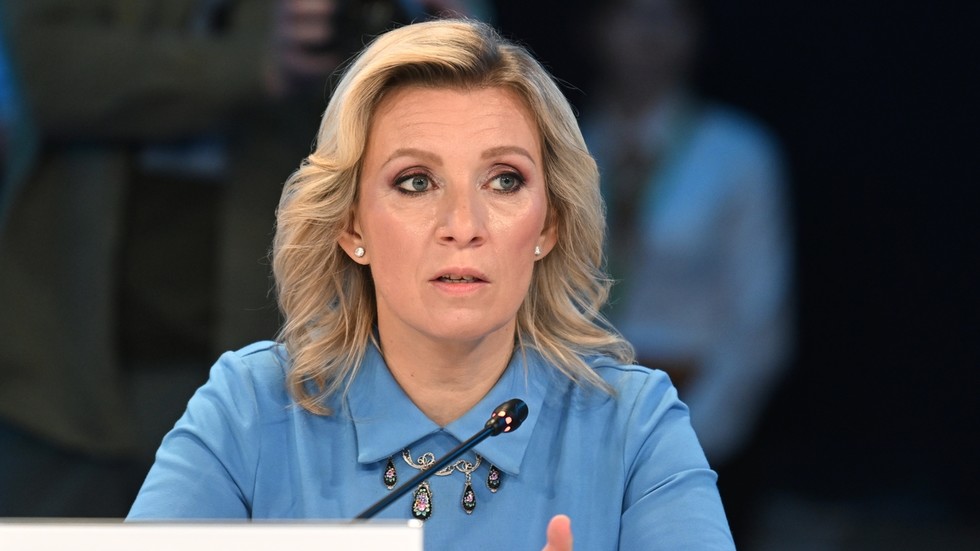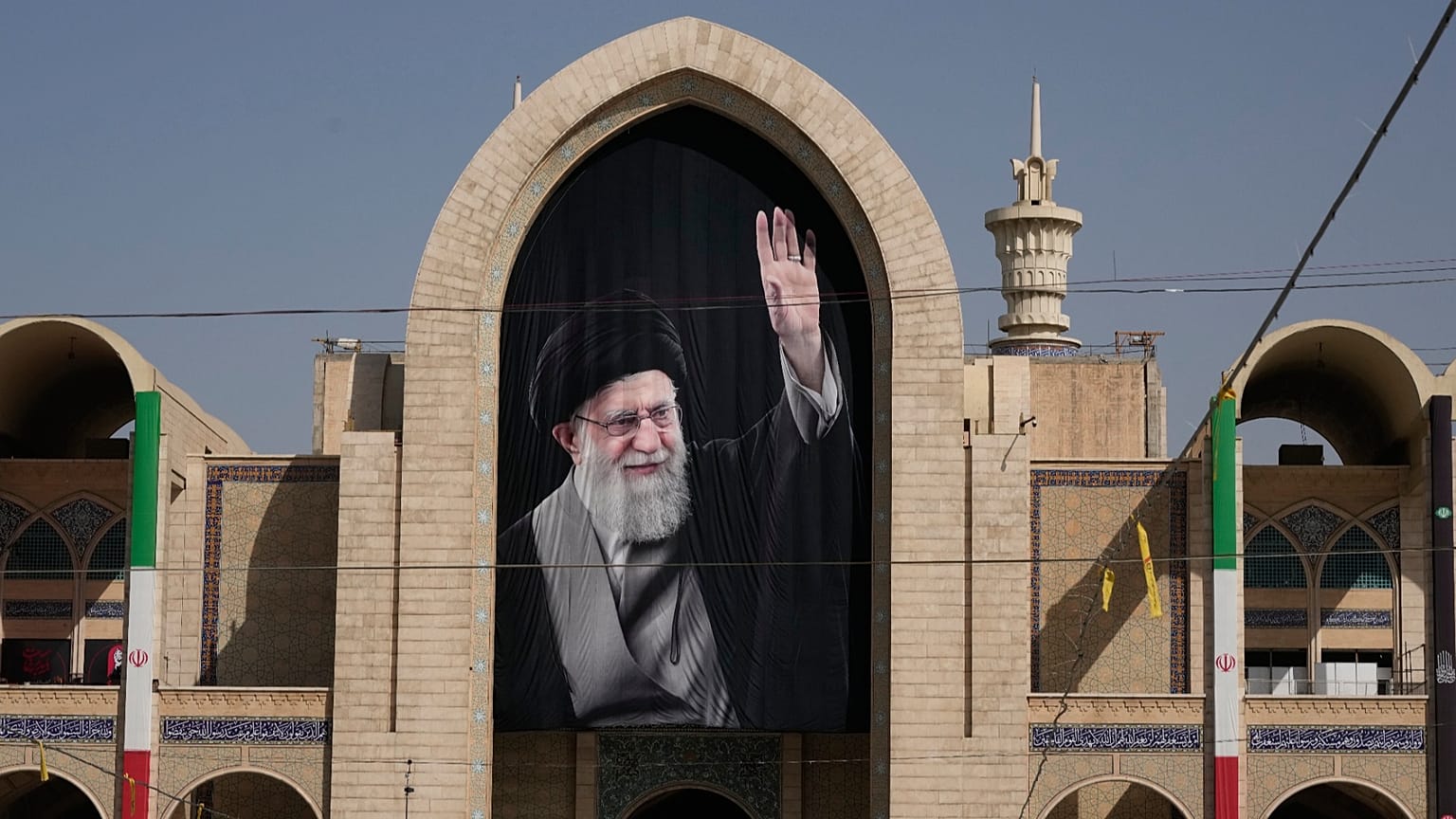

TEHRAN — Dmitry Medvedev, Russia’s Deputy Security Council Chairman, confirmed on Friday that he held a meeting with Iranian President Masoud Pezeshkian in Tehran, where he had arrived to attend the farewell ceremony for former Supreme Leader Ali Khamenei.
The announcement came from Medvedev himself, offering no detail on what was discussed. But the meeting’s occurrence — between Putin’s chosen envoy and the Iranian head of state at a moment of acute political uncertainty in Tehran — carried a signal of its own. Russia did not send a ceremonial figure. It sent one of its most senior security officials.
Medvedev traveled to Iran as a special emissary of Russian President Vladimir Putin, in the description used by Russian state television. He was among the highest-ranking officials to attend a ceremony that drew delegations from more than 100 countries. Western nations received no formal invitations and were entirely absent. In their place came representatives from Russia, China, Pakistan, Afghanistan’s Taliban government, Iraq, Turkey, and dozens of states across Asia, the Middle East, and Central Asia — a rough map of the geopolitical order that has crystallised around Iran since Khamenei’s killing in February.
Khamenei died on February 28 in a joint United States-Israeli airstrike on his compound — the opening strike of the US-Israel war on Iran. His death set off what Iranian authorities have called one of the largest public funerals in modern history, culminating in the state ceremony on Friday at Tehran’s Grand Mosalla. Pakistan’s Prime Minister Shehbaz Sharif and senior Chinese and Afghan representatives were among those who walked past the coffin. Turkey, Azerbaijan, Armenia, and Georgia also sent delegations.
Russia and Iran have deepened their relationship substantially in recent years, bound together by parallel confrontations with the West. Moscow has relied on Iranian military assistance, including drones deployed in its military operation in Ukraine. Tehran, for its part, has received Russian technical support and diplomatic backing in navigating international sanctions. The Kremlin has consistently treated Iran not as a passive partner but as a strategic asset in its broader standoff with the Western alliance. Sending Medvedev — a figure who carries institutional weight in Russia’s security architecture, not just its diplomatic corps — was consistent with that posture.
The bilateral meeting with Pezeshkian adds a layer beyond condolence diplomacy. No readout was released by either government by the time of publication. The questions pressing on Russia’s relationship with Iran are not simply procedural: with the supreme leader gone and the succession still unresolved, the clerical structure that has underpinned the Russian-Iranian partnership is in flux. Pezeshkian holds executive authority, but that authority has historically operated within constraints set by the supreme leader’s office. Who fills that role, when, and with what orientation toward Moscow are questions that do not yet have answers. As one of the first senior Russian officials to meet with Pezeshkian since Khamenei’s death, Medvedev was in a position to begin taking readings.
The broader diplomatic picture painted by Friday’s ceremony was stark. The funeral drew Iran’s partners and sympathisers while marking, with equal clarity, who was not there. No European government sent a delegation. The United States, which conducted the strikes that killed Khamenei, was absent. The ceasefire brokered by Pakistan in April and the memorandum signed in June have paused the fighting — but, as the unresolved Hormuz question illustrates, the gap between a diplomatic framework and actual resolution remains wide — and they have not produced any Western diplomatic opening with Tehran. The field of mourners in the Iranian capital on Friday was defined as much by absence as by presence.
What Medvedev and Pezeshkian discussed in their meeting remains undisclosed. The Russian side said only that it took place. That they met at all — in Tehran, on the day of a ceremony the entire Western world chose not to attend — was itself the substantive part of the communique.
Related Posts