
DUBAI – Eight thousand seafarers are stranded inside the Gulf, waiting.
What they are waiting for is not another round of diplomatic communiques from Doha. It is eighty mines in the Traffic Separation Scheme at the heart of the Strait of Hormuz, the narrow channel through which roughly a fifth of the world’s traded oil moved before the conflict began. Before the June 17 Islamabad accords, 130 vessels transited the strait daily. This week, the Joint Maritime Information Cell counted forty-six over two consecutive days.
The Islamabad memorandum of understanding gave Iran thirty days from its signing to clear the mines and restore navigation. That window is narrowing. Mine clearance has not begun.
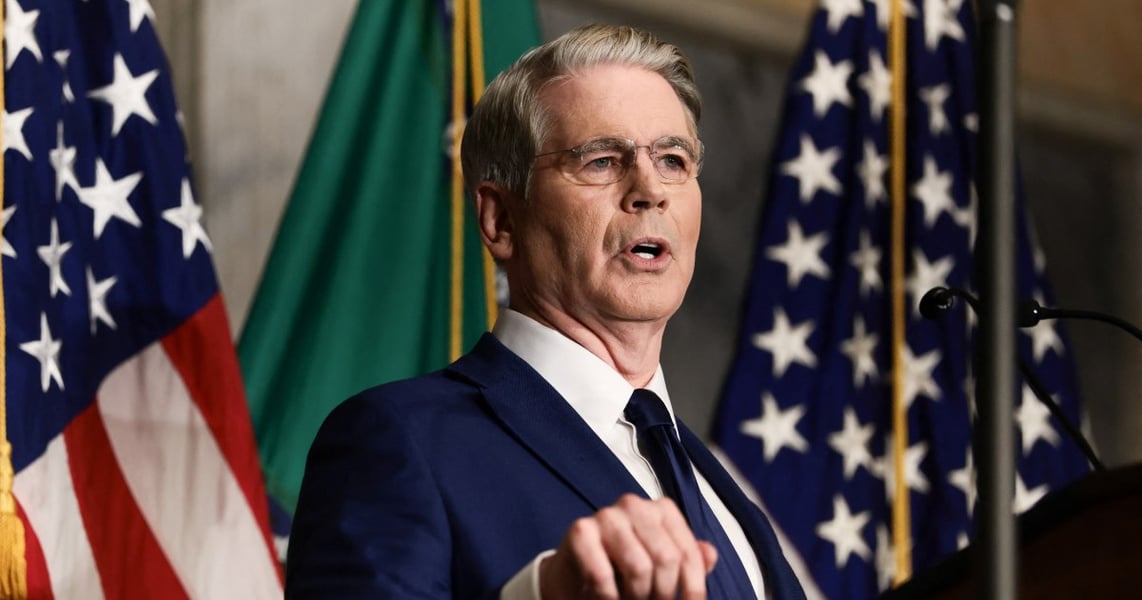
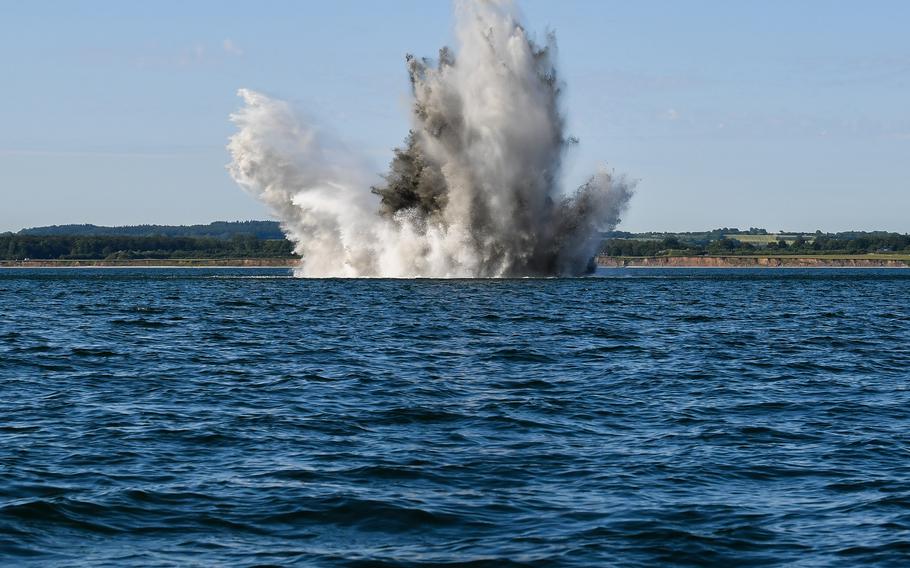
IMO Secretary-General Arsenio Dominguez, speaking in a press briefing from UN headquarters, confirmed that roughly eighty devices remain in the central TSS corridor, with the actual count potentially higher in waters that survey vessels have not yet reached. The mines span two categories that complicate any clearance operation: moored contact mines that anchor to the seabed and detonate on hull contact, and influence mines that read acoustic or magnetic signatures specific to a vessel class before triggering. The distinction matters because influence mines do not respond to standard mechanical sweeping.
Before any mine can be touched, a different sequencing problem must be solved. Somewhere between four hundred and five hundred ships remain stranded inside or at the approaches to the Gulf. IMO is coordinating their evacuation, a process that Dominguez estimated will take “a few weeks.” Only after that corridor is cleared can minesweeping equipment safely enter. Italy’s Commander Giovanni Iannucci, who leads Rome’s mine countermeasures contribution to the EU’s maritime task force, put the clearance operation itself at a minimum of two months once it begins, assuming conditions hold. A Pentagon briefing from April estimated six months to neutralize twenty or more influence mines. Iannucci told Stars and Stripes the full operation could “potentially last for years.”
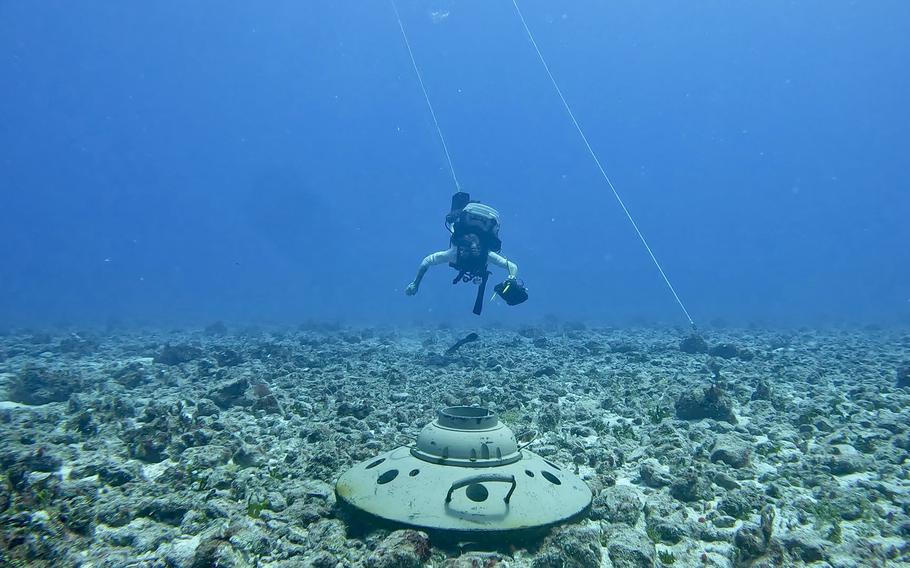
France’s President Emmanuel Macron moved to cut through the sequencing problem in late June, proposing a joint France-Oman minesweeping mission as a confidence-building measure that would let clearance begin before the full evacuation was complete. Iran rejected the offer on July 1. Deputy Foreign Minister Kazem Gharibabadi described Macron’s proposal as a provocation: “The situation is sensitive and complex. We strongly advise France not to complicate it further with its provocations,” he said, as TRT World reported. Foreign Ministry spokesperson Esmaeil Baqaei was more direct about the legal foundation Tehran is standing on. “Iran knows its responsibilities better than any other party and has the ability to fulfill them,” Baqaei said. “There is no need for the intervention of others.” Article 5 of the Islamabad MoU assigned sole responsibility for mine clearance to Iran as the coastal state with navigation management authority over the strait. Tehran is not improvising this argument. It is reading the document.
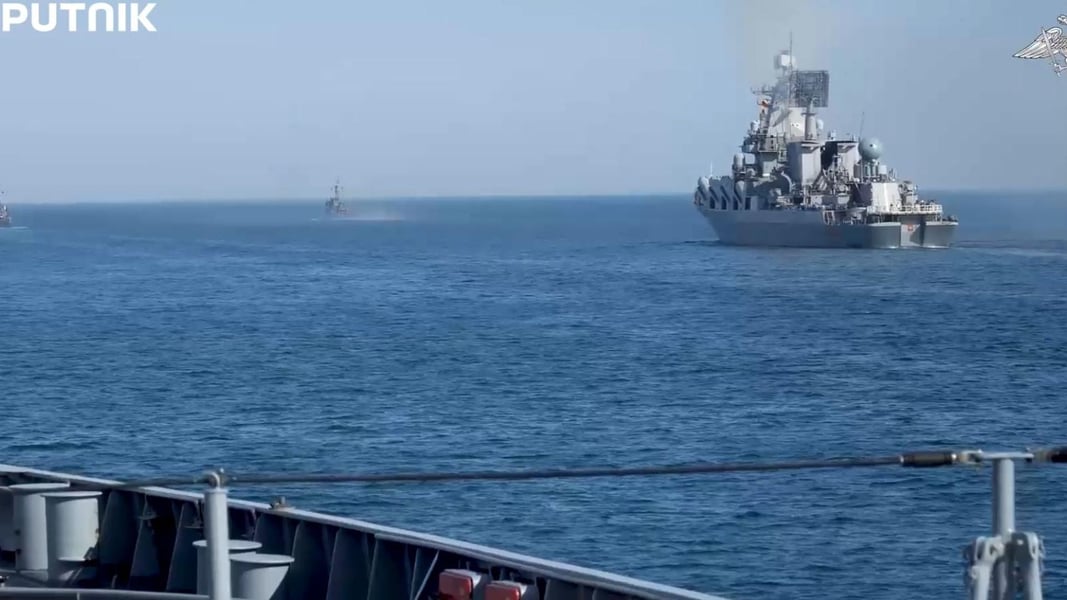
Italy, France, Germany and the United Kingdom each have minesweepers and destroyers positioned near the strait. None of them will enter until a ceasefire is formally assured and the evacuation corridor is declared secure. The caution is partly political and partly technical. Iannucci said mine clearance at Hormuz requires “advanced capabilities and expertise not possessed by many countries,” and that a poorly executed operation, or one conducted under active threat, risks rupturing an influence mine rather than neutralizing it, scattering components across the channel floor. The IMO has warned that commercial confidence cannot return while safe navigation remains in doubt. Those two conditions are not currently separable.
The Doha talks that produced the Islamabad MoU were conducted through Qatari mediators, not as direct US-Iran sessions. The current round of indirect dialogue in Doha is focused primarily on releasing the six billion dollars in frozen Iranian assets held in South Korean accounts. No proposal for mine clearance sequencing, joint monitoring, or a phased handover of responsibility has been tabled in the current round. Iran’s position throughout has been consistent: any discussion of who clears the mines is resolved by the MoU itself. It will clear them. Alone. On a timeline it considers appropriate.
The commercial cost of that patience is not abstract. War-risk insurance premiums on Hormuz transits are running at sixteen times their pre-conflict baseline. Brent crude’s partial recovery from its conflict peak reflects a market that has priced in a reopening, not a market that has seen one. The US Navy has been running escort corridors for vessels attempting the western Omani channel since late June, but a container ship ran aground in that alternative corridor this week, a reminder that the workaround is narrower and less charted than the TSS it is supposed to replace.
The thirty-day window in the Islamabad MoU was not engineered for sequencing debates, evacuation logistics, or the question of whether a foreign minesweeper entering Iranian-managed waters triggers a new crisis. It was designed to register mutual intent. Who actually enters the water first, with whose equipment, under what monitoring arrangement, remains entirely unresolved. Europe’s minesweepers are idle offshore. Iran has said it is preparing to act alone. The eight thousand seafarers inside the Gulf are still waiting for someone to make the first move.