
DOHA — Iran and the United States are conducting indirect technical-level negotiations in Doha on Wednesday, with Qatar and Pakistan serving as mediators, a source familiar with the matter told Reuters. Both lead delegations and specialist teams are participating in the meetings, the source said. No official confirmation from Tehran or Washington was immediately available, and the precise scope of the discussions could not be independently verified.
Qatar’s foreign ministry spokesperson Majed al-Ansari confirmed at a press briefing on Tuesday that technical-level contacts between the two sides had continued since earlier meetings held in Switzerland, both directly and indirectly, with mediators working to sustain the process in Doha and elsewhere. He said that Iranian and American technical delegations were “still in session” and that meetings were taking place in different formats to ensure continuity. Qatar’s Doha has emerged as the principal venue for the post-ceasefire diplomatic track, with the Qatari foreign minister reaffirming Doha’s support for dialogue stemming from the two countries’ memorandum of understanding.
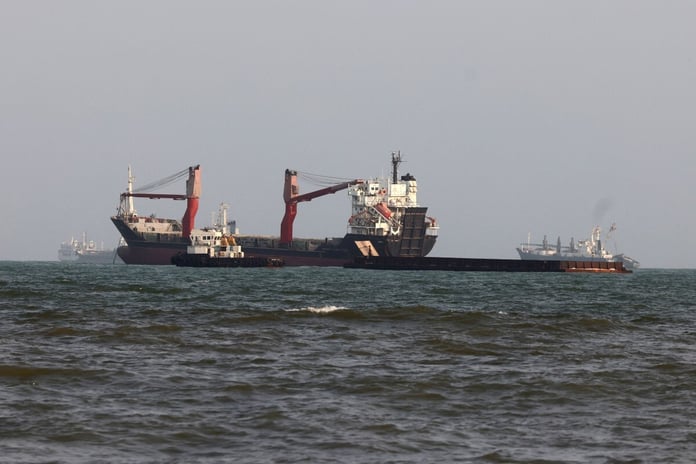
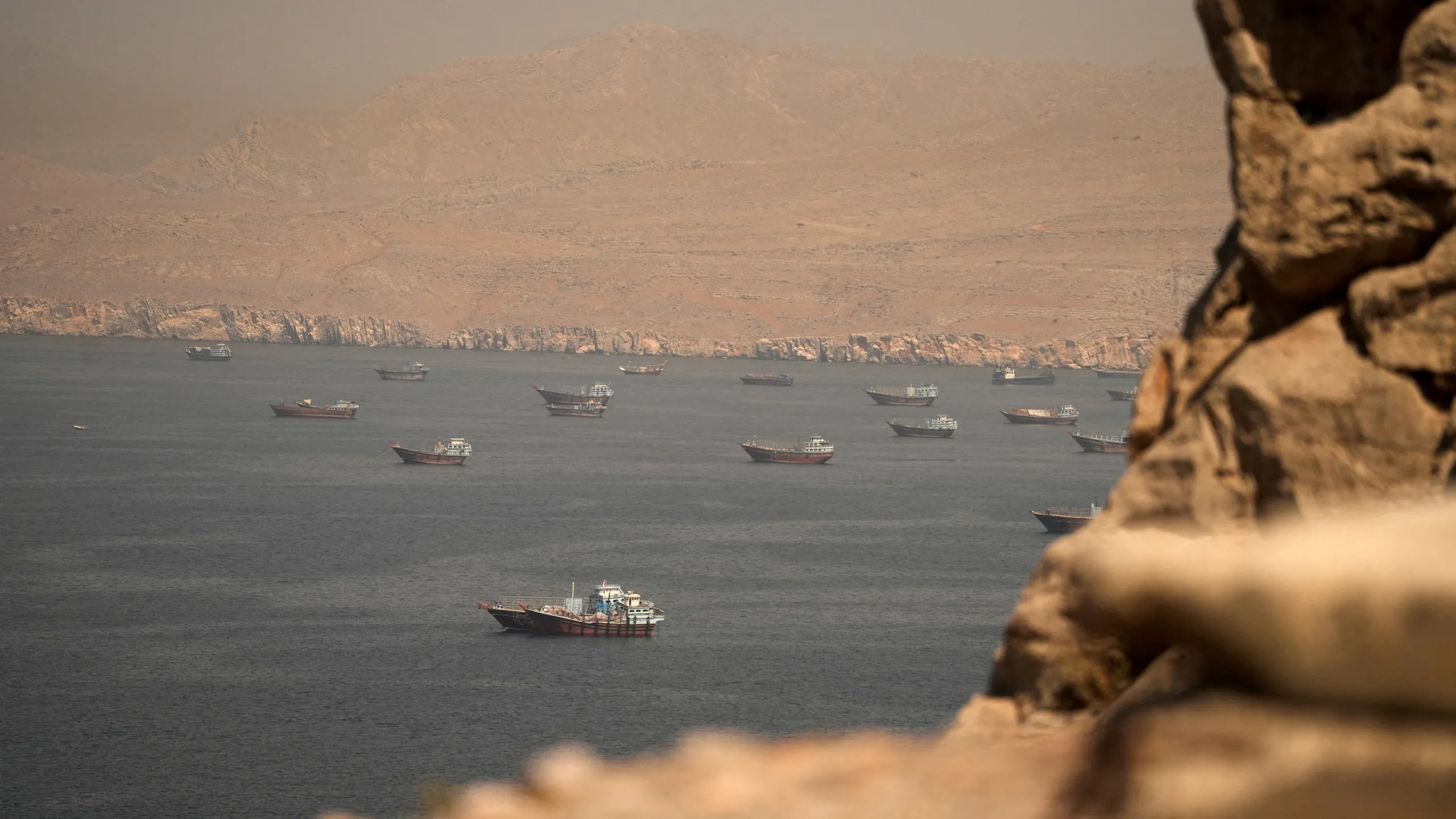
The talks come roughly two weeks after the formal signing of the memorandum. Overnight into June 17-18, Iran and the United States remotely signed the agreement providing for an end to military hostilities that had erupted on February 28, when the United States and Israel launched large-scale strikes on Iran. The document also establishes timelines for the United States to lift its naval blockade of Iranian ports and for Iran to restore commercial shipping through the Strait of Hormuz, through which roughly a fifth of the world’s seaborne oil and liquefied natural gas previously flowed before the conflict effectively shuttered the route.
On Iran’s nuclear program — the most contentious and unresolved issue in the broader negotiating framework — the memorandum commits Tehran not to acquire nuclear weapons while deferring the full resolution of its nuclear activities to a separate, dedicated agreement. The two sides are to hold negotiations on the nuclear question within 60 days. For Iran, a successful outcome on that track is tied directly to the comprehensive lifting of American sanctions; Tehran has long maintained that sanctions relief is the central benchmark against which any agreement will be measured.
The Doha session is part of a broader diplomatic architecture that has taken shape since the April ceasefire. Pakistan has served as a key intermediary throughout the conflict, hosting the Islamabad talks in April that marked the first high-level face-to-face contact between senior American and Iranian delegations. Qatar, a US ally that also maintains working relationships with Tehran, has played a complementary mediation role, with the Qatari prime minister traveling to Tehran and hosting American envoys in Doha. Steve Witkoff, President Trump’s special envoy, and Jared Kushner were in Doha on Tuesday meeting with the Qatari prime minister to lay the groundwork for Wednesday’s sessions, though neither is attending the technical talks directly, according to Al Jazeera.
The dual-mediator format reflects, in part, the sensitivities each side has brought to the table. Pakistan is home to the largest Shia Muslim population outside Iran and, unlike Gulf Arab states, hosts no American military bases, giving it a degree of credibility in Tehran that Western or Gulf intermediaries cannot easily replicate. Qatar, by contrast, offers geographic proximity, institutional infrastructure, and its established role as a channel between Washington and regional actors.
The technical nature of Wednesday’s talks signals that the two sides remain some distance from a high-level breakthrough but are nonetheless working to maintain momentum on implementation of the June memorandum. The ceasefire framework set out a 60-day window during which the core issues — nuclear constraints, sanctions relief, maritime governance, and frozen assets — are expected to be addressed in sequenced negotiations. American officials have made clear that Iran’s nuclear program is the non-negotiable centerpiece of any final agreement, while Iran has consistently demanded comprehensive, upfront sanctions relief rather than phased or conditional relief tied to compliance benchmarks.
Gulf Cooperation Council foreign ministers released a statement last week calling for any final agreement with Tehran to include limits on Iran’s missile capabilities — an issue that has not yet been formally tabled in the current round of talks. The United States and Iran have also not publicly aligned on the question of frozen Iranian assets; Iranian President Masoud Pezeshkian said this week that $6 billion of Iran’s funds held in Qatar would be released as part of the interim deal, though Qatar’s foreign ministry said no transfer had yet taken place and that it would proceed in accordance with the progress of negotiations, the Jerusalem Post reported.
The diplomatic process has not been without friction. On June 21, Iran’s negotiators in Switzerland were reported to have received a threat from President Trump, who warned that they “won’t even make it back to their country” if the Strait of Hormuz was closed. Iran rejected the comment. Qatari Prime Minister Mohammed bin Abdulrahman bin Jassim Al Thani was separately reported to have declined to engage with Vice President JD Vance during that same period while functioning as a mediator, an account that neither Doha nor Washington publicly confirmed.
Against that backdrop, the continuation of technical-level talks in Doha suggests both governments have concluded that working through the details of implementation — even without resolving the headline disputes — is preferable to a breakdown. The outcome of those conversations over the next several weeks is likely to shape the trajectory of the broader post-war settlement in the Gulf, including the permanent status of the Strait of Hormuz, a question whose resolution carries significant consequences for global energy markets.
Related Posts