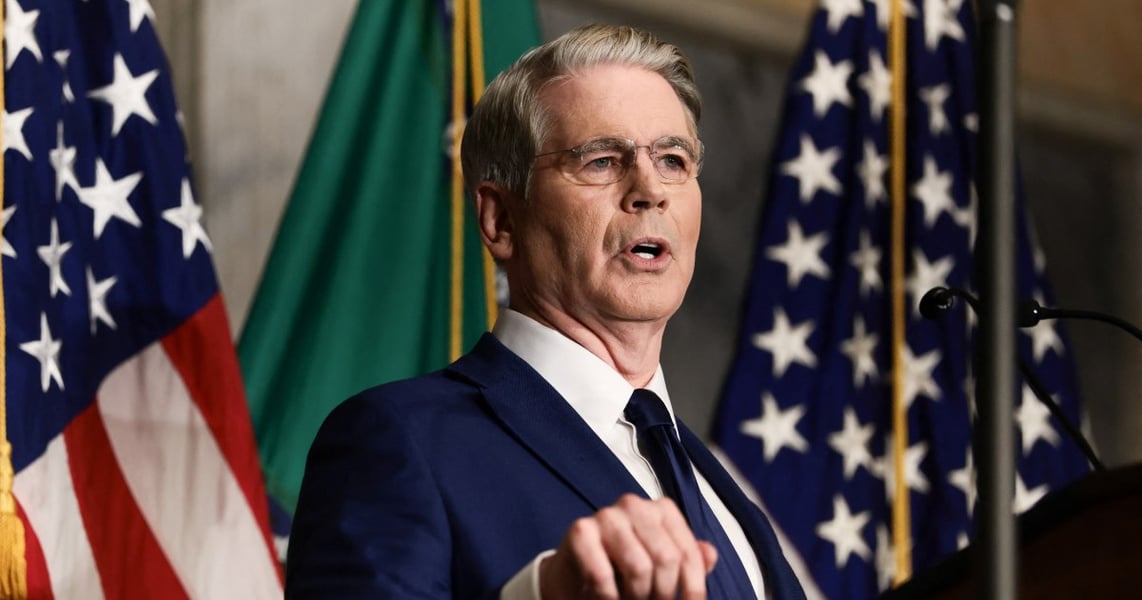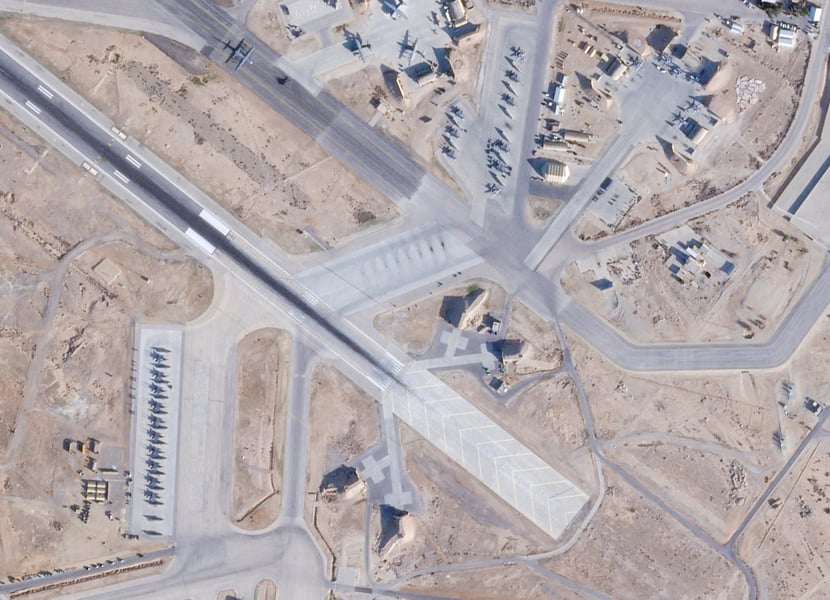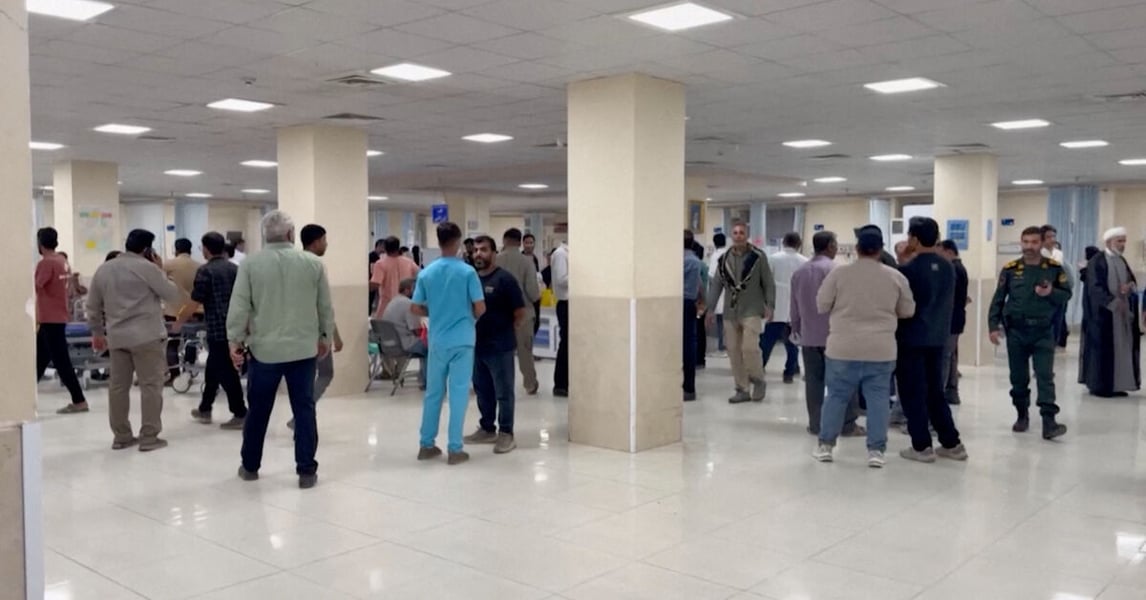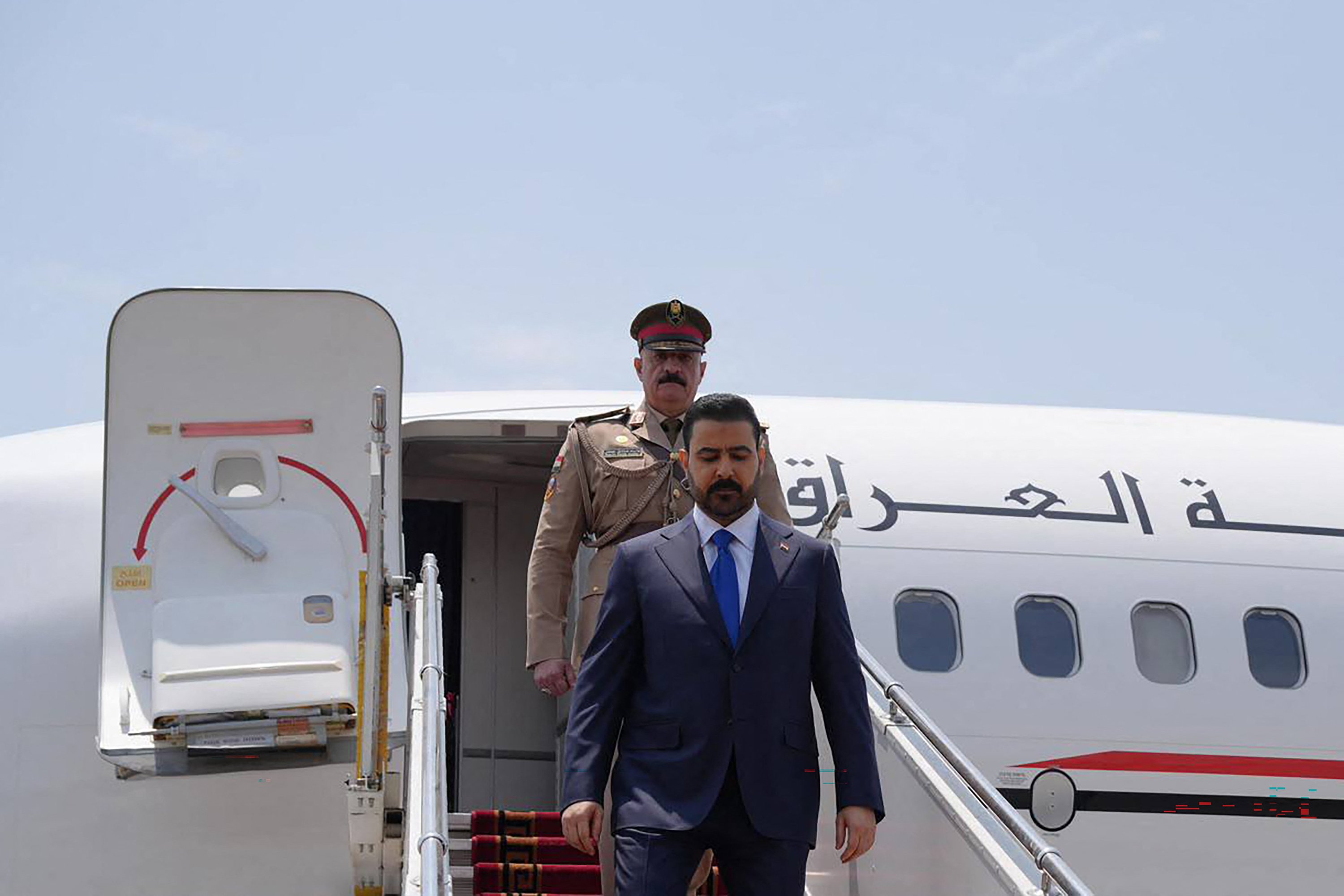

TEHRAN – At a moment when American warplanes have been bombing Iranian territory for nearly two weeks straight, Iraqi Prime Minister Ali al-Zaidi flew to Tehran on Wednesday for his first official visit since taking office in May, signing a package of bilateral accords with President Masoud Pezeshkian and declaring that Baghdad will not be wielded as an instrument against its neighbour.
The timing was deliberate. As the United States and Iran mark their 12th consecutive night of air strikes and retaliatory attacks, al-Zaidi arrived in the Iranian capital to sign energy agreements, banking cooperation frameworks, and a railway pledge; and he left having done so.
“Iraq will never forget Iran’s support in the fight against the ISIL terrorist group,” al-Zaidi told reporters after his meeting with Pezeshkian, Al Jazeera reported. He pledged that Iraq would not permit its territory to be used for hostile actions against Iran, a pointed declaration given that American forces continue to operate out of Iraqi bases.
The two leaders oversaw the signing of memoranda of understanding spanning foreign affairs, finance, economics, and energy. Both governments committed to drafting a long-term strategic cooperation agreement and to establishing a Joint High Commission that would convene annually, alternating between Tehran and Baghdad at prime ministerial level, to oversee its implementation.
Iraq’s structural dependence on Iranian natural gas and electricity gives Tehran a leverage in the relationship that no diplomatic statement can easily alter. Shipping costs through the Gulf have surged since the Strait of Hormuz was effectively closed in late February, narrowing what alternative energy supply options Baghdad realistically has. Bilateral trade between the two countries exceeds $12 billion annually, and the accords signed Wednesday are expected to deepen that figure.
Among the concrete projects the two governments pledged to accelerate is the Basra-Shalamcheh railway, a cross-border rail link between Iraq’s southern port city and Iran’s national rail network. The project has long been delayed by political friction and funding shortfalls; its revival signals that both sides intend the Wednesday accords to translate into infrastructure, not merely rhetoric.
The energy dimension is harder to finesse than the diplomacy. Iran currently supplies Iraq with substantial volumes of natural gas and electricity through cross-border pipelines and cables. Iraq has repeatedly announced domestic power projects that would reduce this dependence. They have not materialised on schedule. Wednesday’s accords deepened the dependency rather than reducing it, adding banking and transportation cooperation to an energy relationship that already gives Tehran structural influence over Iraqi domestic politics.
The two countries also committed to strengthening banking cooperation, a delicate matter given that US sanctions on Iran make dollar-clearing virtually impossible for Iranian financial institutions. Iraqi banks that conduct business with Tehran operate under perpetual American scrutiny and the threat of secondary sanctions. The joint statement papered over this tension without resolving it.
Pezeshkian said a comprehensive strategic cooperation plan would guide what he described as an expanding relationship whose security interests are “closely interlinked.” In the context of an active US-Iran war, the phrase was not decorative.
Political analyst Ghaleb Al-Daami noted that al-Zaidi’s visit represents Baghdad’s perpetual challenge: navigating between two powers now in direct armed conflict. “Iraq cannot afford to break with Iran,” Al-Daami said, “but it also cannot afford to be seen as Iran’s instrument.” Wednesday’s visit was designed to satisfy Tehran without explicitly repudiating Washington.
What al-Zaidi did not say publicly is as telling as what he did. He made no reference to the American air campaign against Iran. He offered no criticism of Tehran’s retaliatory strikes on Gulf states. He made no acknowledgment of any US pressure on Baghdad to limit engagement with Iran. The silence, from a capital that hosts American troops and receives Iranian gas simultaneously, was the message.
US lawmakers have pressed Defence Secretary Pete Hegseth for an explanation of what the end state of the Iran campaign looks like, without receiving a clear answer. Al-Zaidi’s Tehran visit suggests that even Washington’s closest partners in the region are making their own calculations about who will define the Gulf’s political order when the bombs stop falling, and about whether that calculation depends on standing with the United States.