
A new wave of biomedical evidence is reshaping one of the most persistent enigmas of the COVID-19 era: why a primarily respiratory infection so frequently triggers strokes, heart attacks, and widespread clot formation across the body’s vascular system.
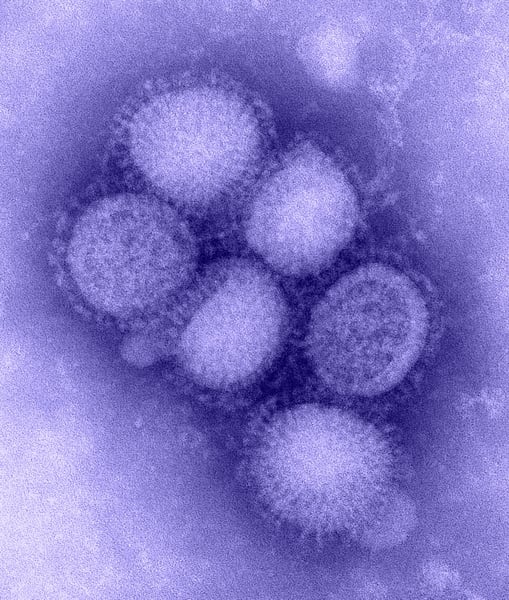
A study published in the Journal of the American Heart Association, highlighted in recent CIDRAP reporting, suggests that the answer may lie not only in lung pathology but in the bloodstream itself, where viral particles appear capable of triggering a cascading failure of vascular regulation.
Researchers now point to a deeper biological chain reaction involving endothelial injury, immune dysregulation, and coagulation imbalance. In severe cases, this sequence transforms COVID-19 into a systemic disorder that extends far beyond the lungs, affecting circulation at a structural level.
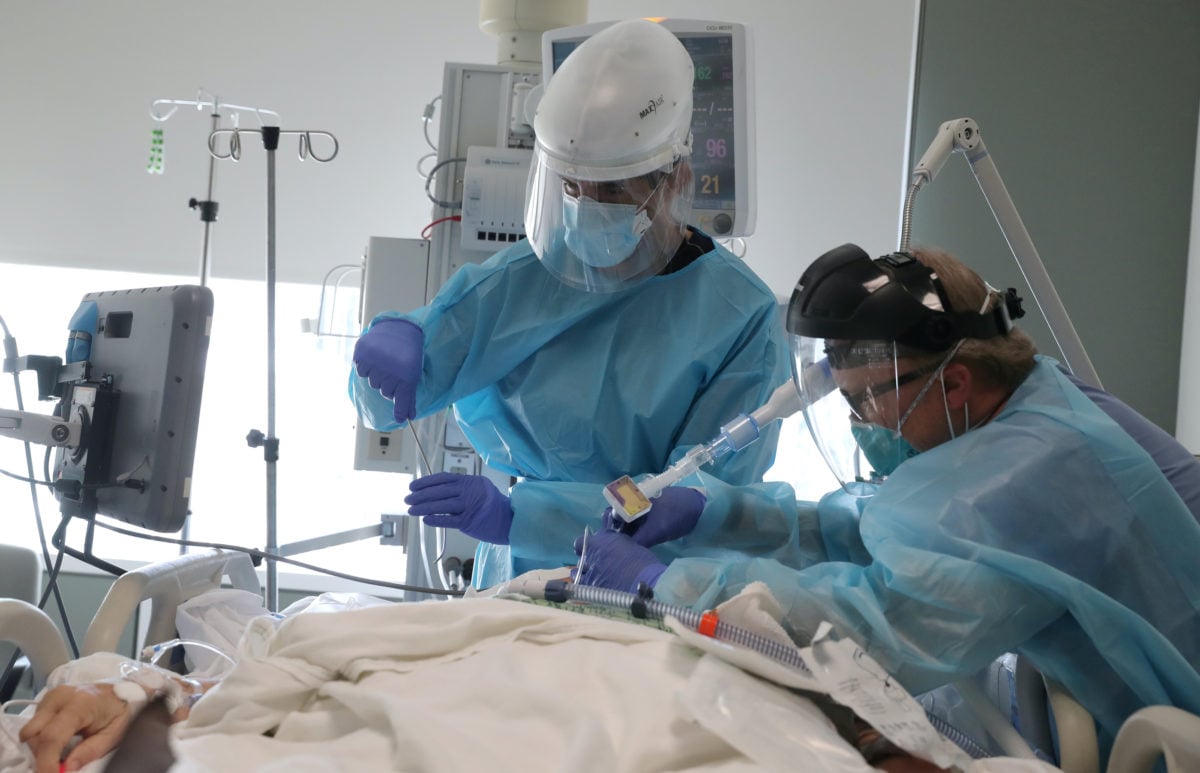
William T. Bain, a critical care pulmonologist at the University of Pittsburgh, described cases where patients in their 40s and 50s were discharged as recovered, only to return days later with fatal complications linked to sudden vascular blockage. These observations have since become central to understanding COVID-19 as a multi-system disease rather than a purely pulmonary one.
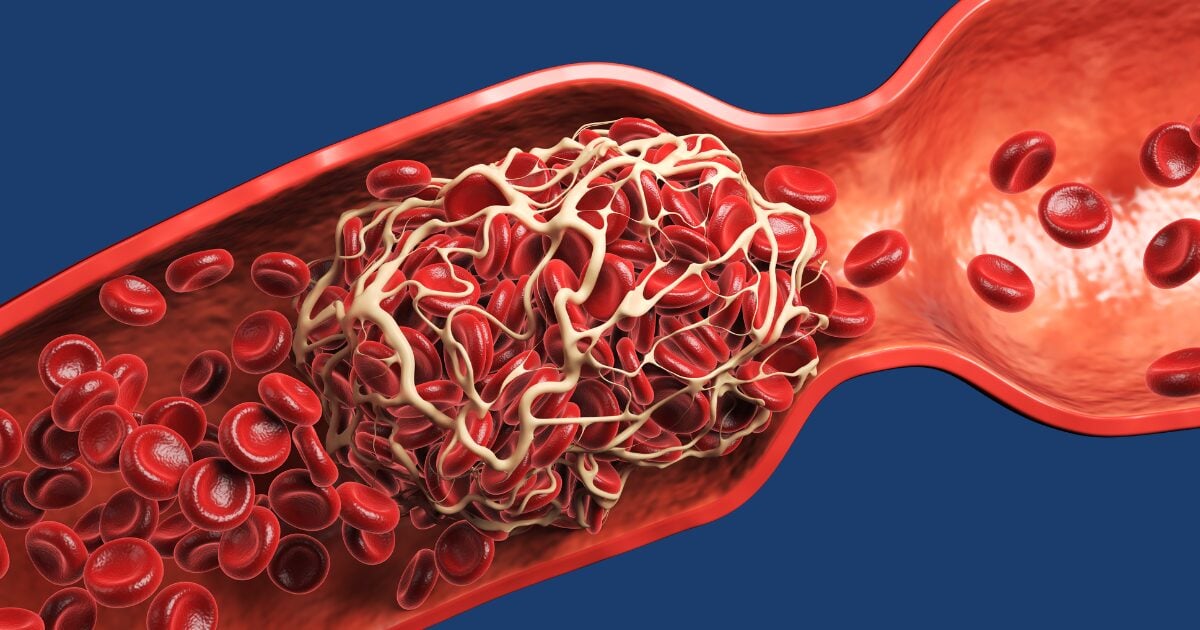
At the center of this evolving model is endothelial dysfunction, a breakdown of the thin cellular lining that regulates blood flow and clot formation. Under normal conditions, this lining maintains vascular stability and prevents unnecessary clotting. In COVID-19, however, researchers have identified signs of structural disruption, including the release of thrombomodulin fragments into circulation, signaling endothelial injury.
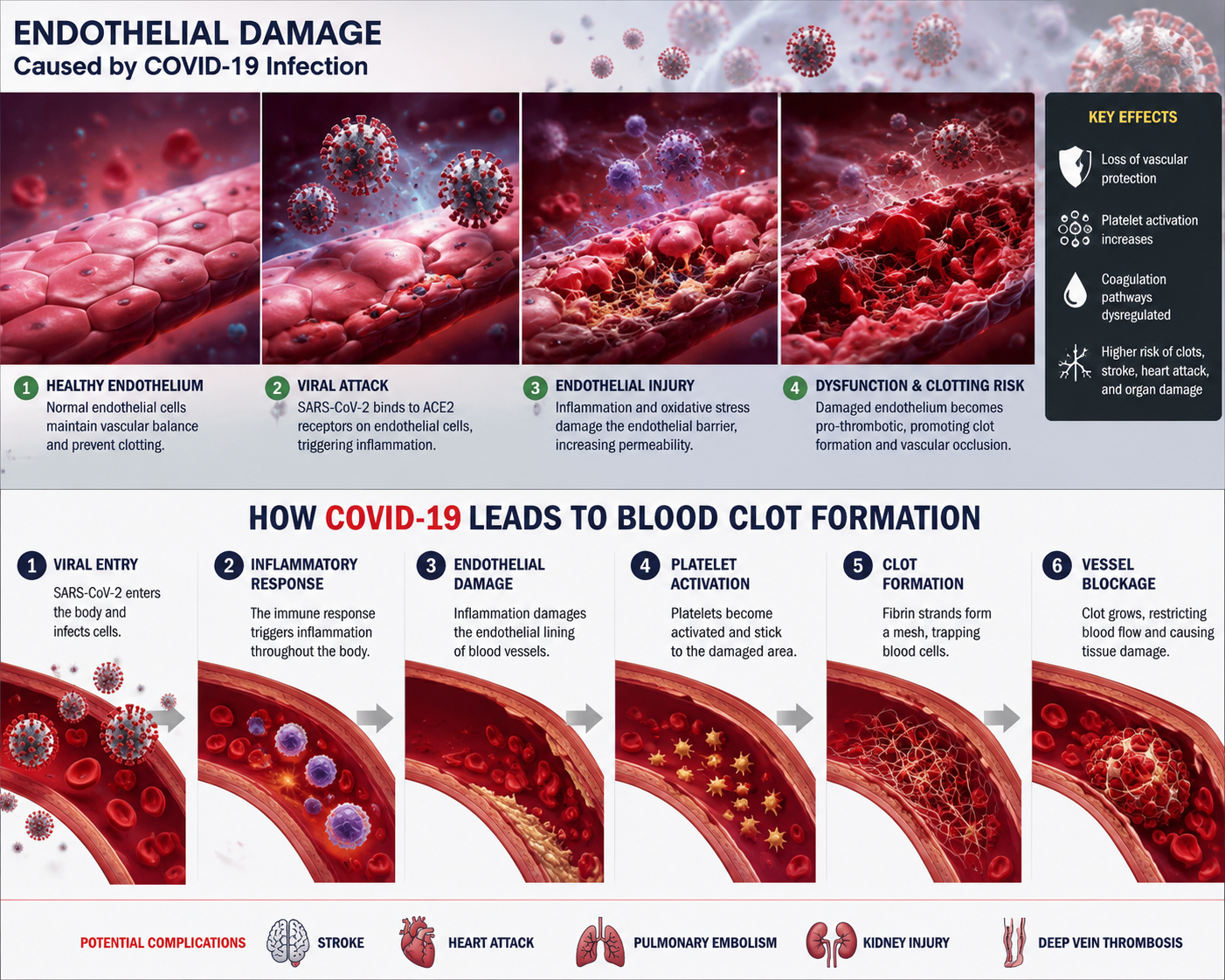
This understanding aligns with broader clinical evidence documented in discussions around respiratory infection and systemic disease classification, where COVID-19 was recognized early as a multi-system threat rather than a single-organ illness.
The cascading mechanism proposed by researchers begins when viral particles enter the bloodstream. Endothelial cells respond with inflammatory signaling, followed by structural degradation of the vascular barrier. This leads to dysregulation of coagulation pathways and the formation of dangerous clots that can travel through both arterial and venous systems.
These findings are consistent with clinical observations recorded in pandemic-wide systemic effects, which documented how COVID-19 extended far beyond respiratory illness to affect economic, social, and health infrastructures simultaneously.
The implications extend into acute care settings, where the distinction between respiratory symptoms and systemic vascular damage becomes increasingly blurred. In severe cases, COVID-19 behaves less like a localized infection and more like a circulating vascular disorder.
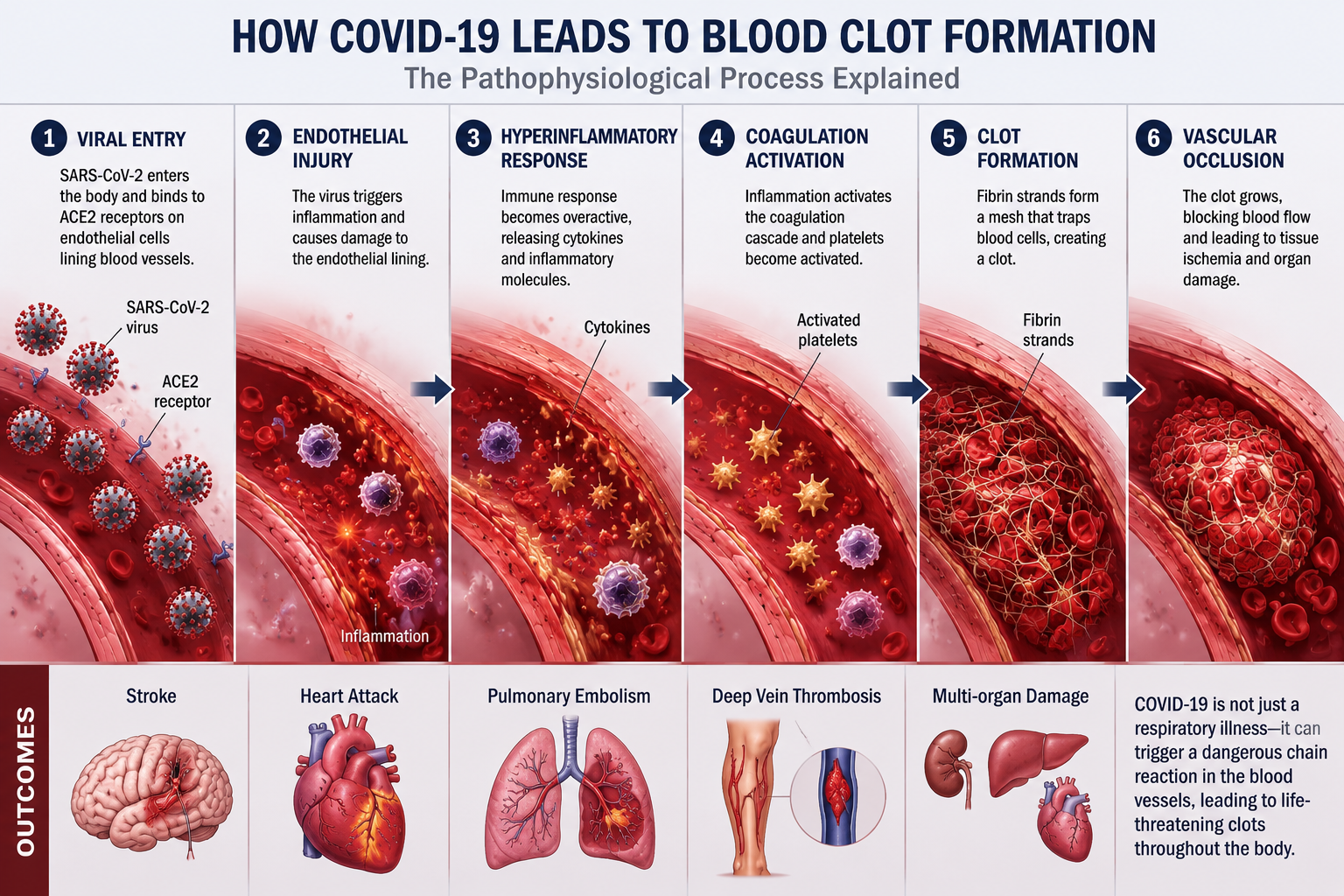
Further support comes from large-scale peer-reviewed COVID-19 vascular and immunology studies, which describe a complex interaction between immune activation and clot formation. The so-called thromboinflammatory response has emerged as a defining characteristic of severe infection.
At a global level, the global evidence on COVID-19 complications and clotting disorders underscores the consistency of these vascular effects across diverse populations.
Despite these advances, uncertainty remains. Researchers caution that while the association between viral presence in blood and clot formation is compelling, it does not yet establish a singular causal pathway.
What emerges from this body of evidence is a reframing of COVID-19 itself. The disease can no longer be understood solely through the lens of respiratory infection. It is increasingly defined by systemic vascular injury, immune dysregulation, and coagulation collapse operating in tandem.
The blood clot mystery, once considered a peripheral complication, now sits at the core of COVID-19 pathology. And while many questions remain unresolved, the trajectory of scientific inquiry is unmistakable: the virus is as much a vascular threat as it is a respiratory one.
Related Posts