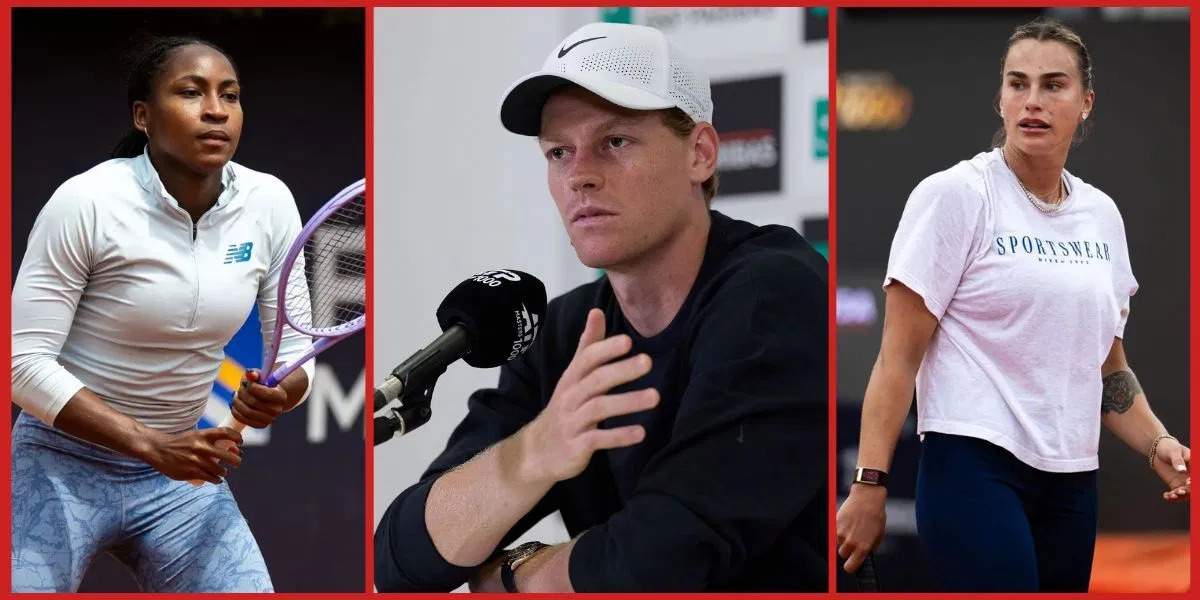

Jannik Sinner, Coco Gauff and Aryna Sabalenka have thrust tennis into chaos after openly backing the possibility of a French Open boycott amid an escalating dispute over Grand Slam prize money and player treatment.
What began as quiet frustration behind closed doors has now exploded into one of the most serious political battles modern tennis has faced, with players accusing Grand Slam tournaments of refusing to properly negotiate despite the sport generating billions in revenue globally.
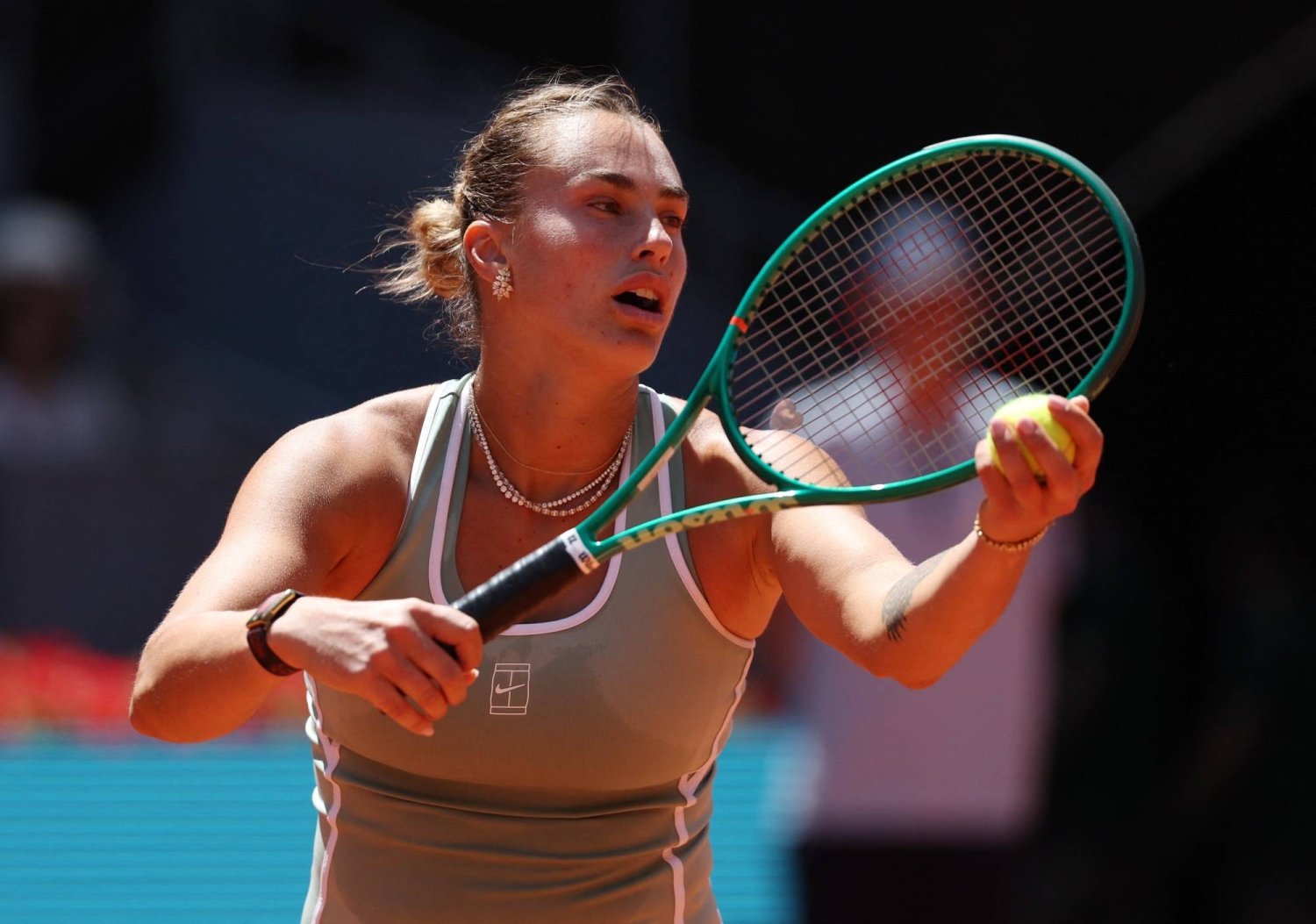
Speaking ahead of the Italian Open, Sabalenka ignited the controversy when she warned that players may eventually have no choice but to boycott tournaments if governing bodies continue ignoring demands for fairer revenue distribution. Her comments immediately sent shockwaves through the sport, especially with Roland Garros only weeks away.
The Belarusian world No. 1 argued that players are carrying the commercial weight of tennis while receiving what many believe is an unfairly small percentage of Grand Slam income. Reports suggest that Grand Slam tournaments distribute only around 13 to 15 percent of their total revenues toward prize money, far below the structures used in several other global sports leagues.
“It’s not only about money,” Sinner said during media appearances in Rome. “It’s also about respect for the players.”
Those remarks immediately amplified speculation that the sport’s biggest stars are preparing for a direct confrontation with the four Grand Slam tournaments: the Australian Open, French Open, Wimbledon and US Open.
Coco Gauff also backed the growing player frustration, insisting that the conversation is about more than elite stars fighting for larger paychecks. The American emphasized that lower ranked players continue struggling financially despite tennis becoming increasingly lucrative for broadcasters, sponsors and tournament owners.
According to multiple reports, many players believe current financial structures are outdated and heavily favor tournament operators over athletes. The debate intensified after the French Open announced a 9.5 percent increase in total prize money for 2026. While organizers presented the increase as evidence of progress, many players reportedly viewed it as insufficient given the scale of Grand Slam revenues.
The dispute has now exposed deeper tensions within professional tennis governance.
Unlike major team sports such as the NBA or NFL, tennis operates through a fragmented system involving the ATP, WTA, ITF and independent Grand Slam tournaments. Players have long complained that this structure leaves them with limited influence over scheduling, workload, revenue sharing and welfare decisions.
The Professional Tennis Players Association, co founded by Novak Djokovic, has strongly supported calls for broader reforms. The organization believes tennis needs structural modernization to prevent growing disconnect between players and governing bodies.
Novak Djokovic himself entered the debate by criticizing narratives portraying players as greedy. The Serbian star argued that conversations surrounding athlete welfare and long-term sustainability are often ignored while public attention focuses only on financial figures.
The unity emerging between ATP and WTA stars has become one of the most striking developments of the controversy. Historically, tennis players have struggled to maintain a united front on political issues due to the individual nature of the sport. This time, however, frustration appears to be spreading rapidly across both tours.
Sabalenka’s comments especially resonated because they came from one of the most commercially successful players in women’s tennis. Her willingness to publicly discuss boycott possibilities signaled how serious player frustration has become behind the scenes.
Still, not every player appears fully supportive of extreme action.
Several reports indicate that some top stars remain cautious about escalating tensions into an outright boycott before the French Open. Concerns reportedly exist about damaging the sport’s image, hurting fans and creating further instability during an already complicated era for professional tennis.
The timing could hardly be worse for tennis authorities.
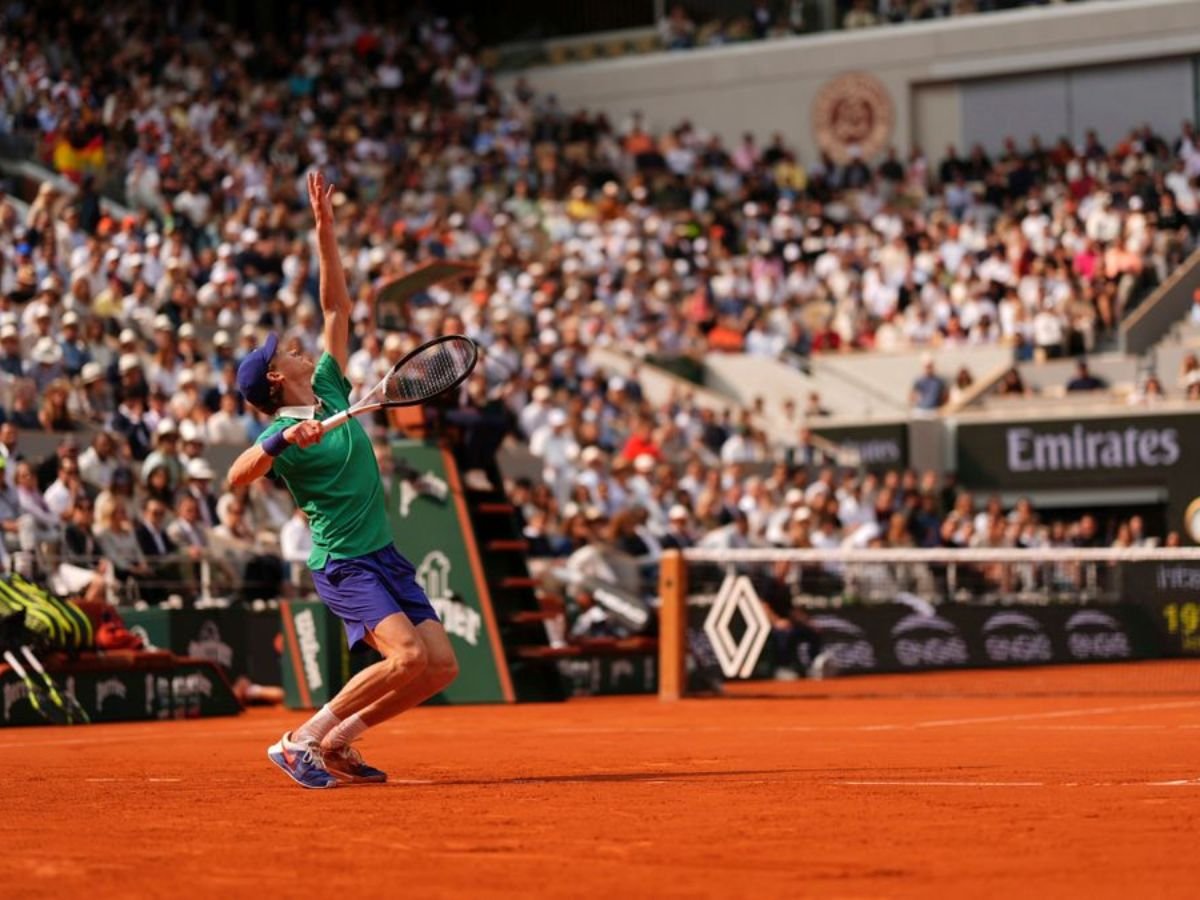
The French Open is expected to feature one of the strongest fields in recent memory, with Sinner arriving as a leading title favorite on the men’s side while Gauff and Sabalenka headline the women’s draw. A major player dispute overshadowing the tournament threatens to become a public relations nightmare for organizers.
Broadcasters and sponsors are also monitoring developments closely. Grand Slam events represent the financial backbone of professional tennis, generating massive international audiences and sponsorship deals. Any serious threat of player disruption could have enormous commercial consequences.
At the center of the conflict lies a simple but explosive question: how much of tennis’ enormous wealth should actually go to the players?
For many athletes, the answer is becoming increasingly urgent as travel costs, coaching expenses and year round scheduling pressures continue rising. Lower ranked players in particular have repeatedly warned about financial instability despite competing in one of the world’s most globally visible sports.
Meanwhile, critics of the players argue that Grand Slam tournaments themselves create the global stage that allows athletes to achieve fame and fortune. Some commentators believe demands for significantly higher revenue shares risk alienating fans who already see tennis stars as financially privileged.
Even so, the tone of the current dispute suggests tensions may continue escalating unless meaningful negotiations begin soon.
Sinner admitted that conversations among players have intensified over recent months, while Sabalenka’s boycott comments have now transformed private frustration into a public standoff. Gauff’s support further demonstrated that the issue extends far beyond isolated complaints from a handful of stars.
With Roland Garros approaching rapidly and Wimbledon discussions expected later this summer, tennis now finds itself facing a potentially defining moment.
Whether the boycott threats become reality remains uncertain. But for the first time in years, the balance of power inside professional tennis appears to be under serious challenge from the very stars who drive the sport’s global popularity.