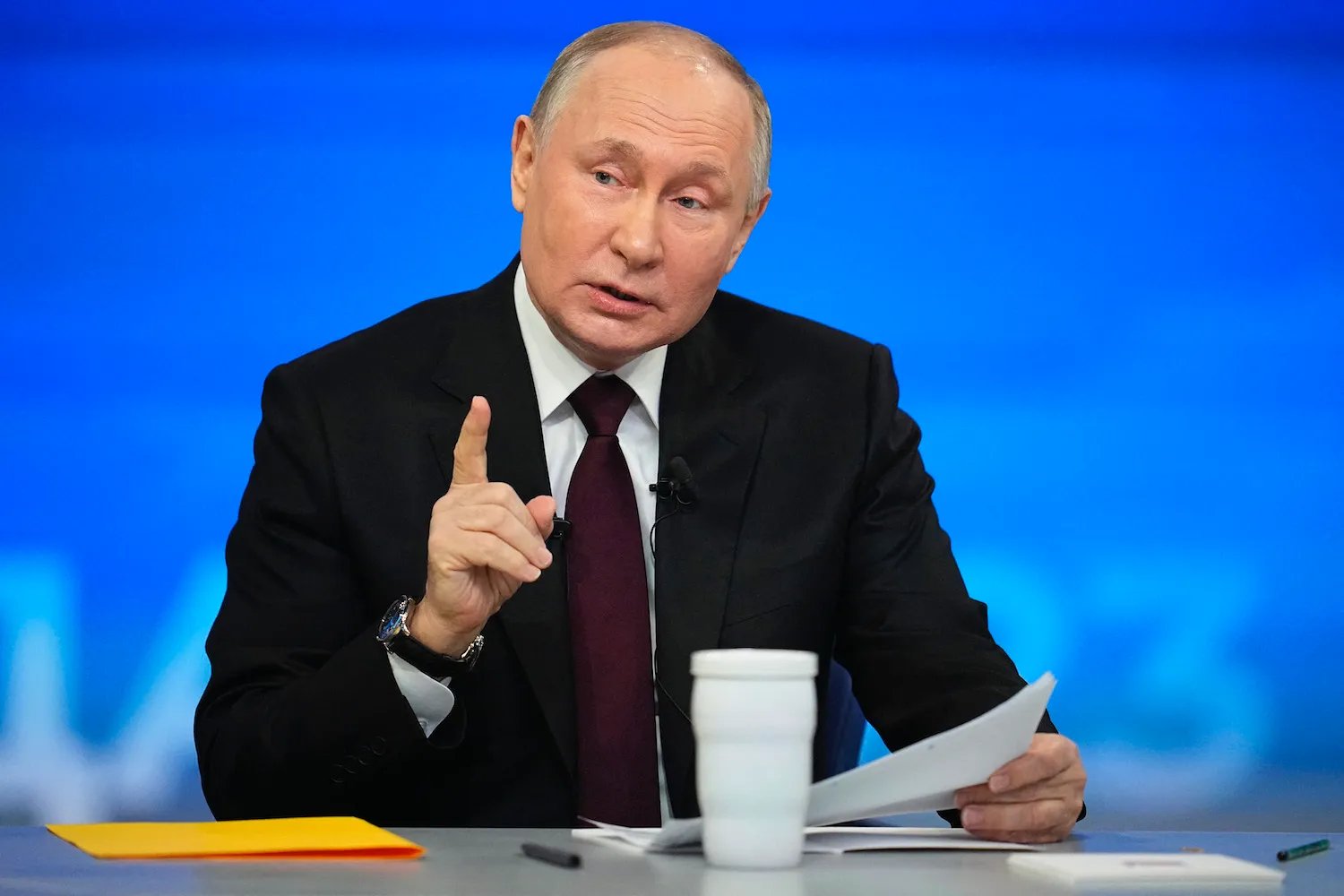

Russian President Vladimir Putin said Friday that Russia’s economy returned to growth in March, signaling what the Kremlin described as the beginning of a broader stabilization effort after months of economic slowdown triggered by high interest rates, sanctions pressure, and weakening industrial output.
Speaking during a government meeting on economic issues, Putin said Russia’s gross domestic product expanded by 1.8% in March compared with the same period last year, a sharp turnaround after contractions recorded earlier in 2026.
“Overall, the country’s GDP increased by 1.8% in March. I ask the government to continue to give priority attention to issues of supporting economic growth,” Putin said.
The Russian leader added that measures implemented by the government had started producing “certain positive results,” while warning officials that the recovery remained fragile and uneven across sectors.
“It is necessary for the emerging positive dynamics to consolidate and cover more and more industries and sectors. That is, so that economic growth becomes more solid and sustainable,” Putin said.
The March rebound marks a politically important moment for the Kremlin after a difficult first quarter that raised concerns inside Russia’s economic establishment. Official data released in recent weeks showed that Russia’s economy contracted by 0.3% in the first quarter of 2026, its first quarterly decline in nearly three years.
Russia’s Economy Ministry said economic activity in March improved significantly after GDP fell 1.8% in January and 1.1% in February.
The Kremlin has attempted to frame the slowdown as temporary, blaming seasonal factors, severe weather, tighter monetary policy, and global instability. However, economists inside and outside Russia have increasingly warned that the country’s wartime economic model is beginning to show signs of exhaustion.
For much of 2023 and 2024, Russia’s economy displayed remarkable resilience despite unprecedented Western sanctions imposed after the Ukraine conflict escalated. Massive state spending on defense production, military procurement, and infrastructure projects helped fuel industrial activity and employment.
That model, however, has become increasingly difficult to sustain.
Russia’s economy grew by nearly 5% in 2024 but slowed sharply in 2025 as inflation accelerated and the central bank maintained elevated interest rates to contain price pressures. Several economists and financial institutions have warned that analysts warned of mounting pressure from high interest rates as industrial activity and consumer demand weakened.
Russian businesses have also reported worsening investment conditions as borrowing costs remain high. Corporate profits reportedly fell by more than 30% during the opening months of the year, while labor shortages continued to weigh heavily on industrial production and robust corporate investments.
Despite those pressures, Russian officials insist the economy retains strong structural resilience.
Deputy Prime Minister Alexander Novak recently argued that the slowdown represented a “natural correction” following years of rapid military-driven expansion. The government nevertheless acknowledged that Russia downgraded its 2026 growth forecast to 0.4%, reflecting mounting uncertainty surrounding exports, oil revenues, and domestic demand.
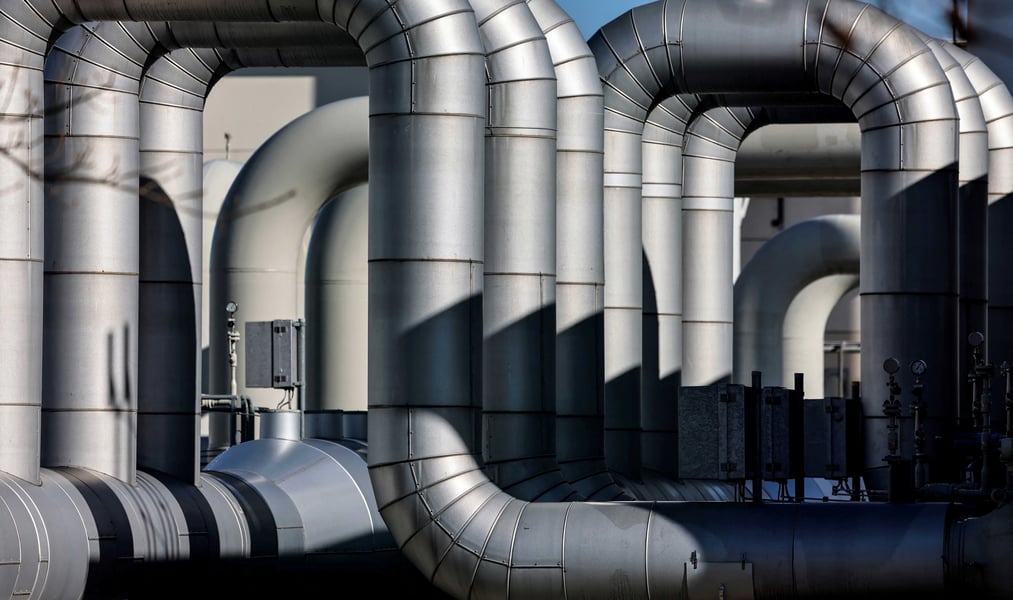
Moscow has increasingly relied on Russia’s energy partnership with Asia and redirected energy trade to the East to offset restrictions imposed by Western governments.
The Kremlin has simultaneously sought to reassure investors and regional authorities that macroeconomic stability remains intact despite external pressure from sanctions imposed by the US and its allies.
Kremlin spokesman Dmitry Peskov recently reiterated that the Kremlin insisted macroeconomic stability remains intact and that Russian authorities were successfully adapting to hostile external conditions.
International forecasts on Russia’s economy remain deeply divided.
While Western governments continue tightening sanctions pressure, Moscow has deepened BRICS partnerships and expanded parallel import mechanisms with China, India, and Gulf states. Analysts say those measures have partially cushioned the Russian economy from isolation attempts by the US and Europe.
The International Monetary Fund recently projected stronger-than-expected Russian performance after the IMF raised Russia’s GDP growth forecast amid higher global commodity prices and disruptions linked to Middle East instability.
At the same time, several Russian analysts and independent economists warn that structural problems continue to deepen beneath the surface.
Western sanctions targeting Russia’s banking system, energy exports, shipping infrastructure, and technology imports have steadily increased operating costs for major industries. Meanwhile, labor shortages caused by military mobilization and emigration have complicated production across manufacturing and construction sectors.
Russia’s fiscal position has also come under scrutiny after Russia’s budget deficit reached its highest level since 2020, increasing pressure on federal spending priorities.
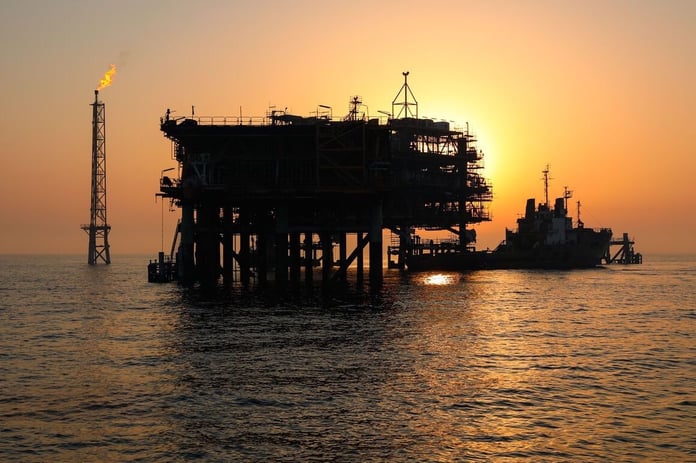
Even so, rising oil prices linked to instability in the Middle East have temporarily improved Moscow’s fiscal outlook. Russia remains one of the world’s largest exporters of oil, gas, grain, fertilizers, and metals.
The Kremlin now appears focused on preventing the recent slowdown from evolving into a broader recession ahead of key budget planning discussions later this year.
Putin has increasingly pressured ministers and economic officials to identify new sources of growth outside the defense sector while preserving social stability amid rising inflation and slowing wage growth.
Last month, Putin previously criticized officials over economic contraction, demanding new measures to stimulate investment and industrial output.
Russian officials have also argued that growing divisions inside Europe over sanctions policy and energy security have strengthened Moscow’s long-term geopolitical position. Some analysts believe the Kremlin expects shifting global trade dynamics and expanding BRICS cooperation to gradually reduce Western economic leverage.
Friday’s announcement therefore carried significance beyond a single month of economic data.
For Moscow, the March rebound offers an opportunity to project confidence at a time when the Kremlin faces growing geopolitical pressure, expanding sanctions regimes, and uncertainty surrounding the long-term sustainability of Russia’s wartime economic model.
Whether the recovery proves durable, however, may depend on factors extending far beyond the Kremlin’s control, including global oil prices, sanctions enforcement, military spending demands, and the broader trajectory of the conflict in Ukraine.
—Inputs from Sputnik.
Related Posts