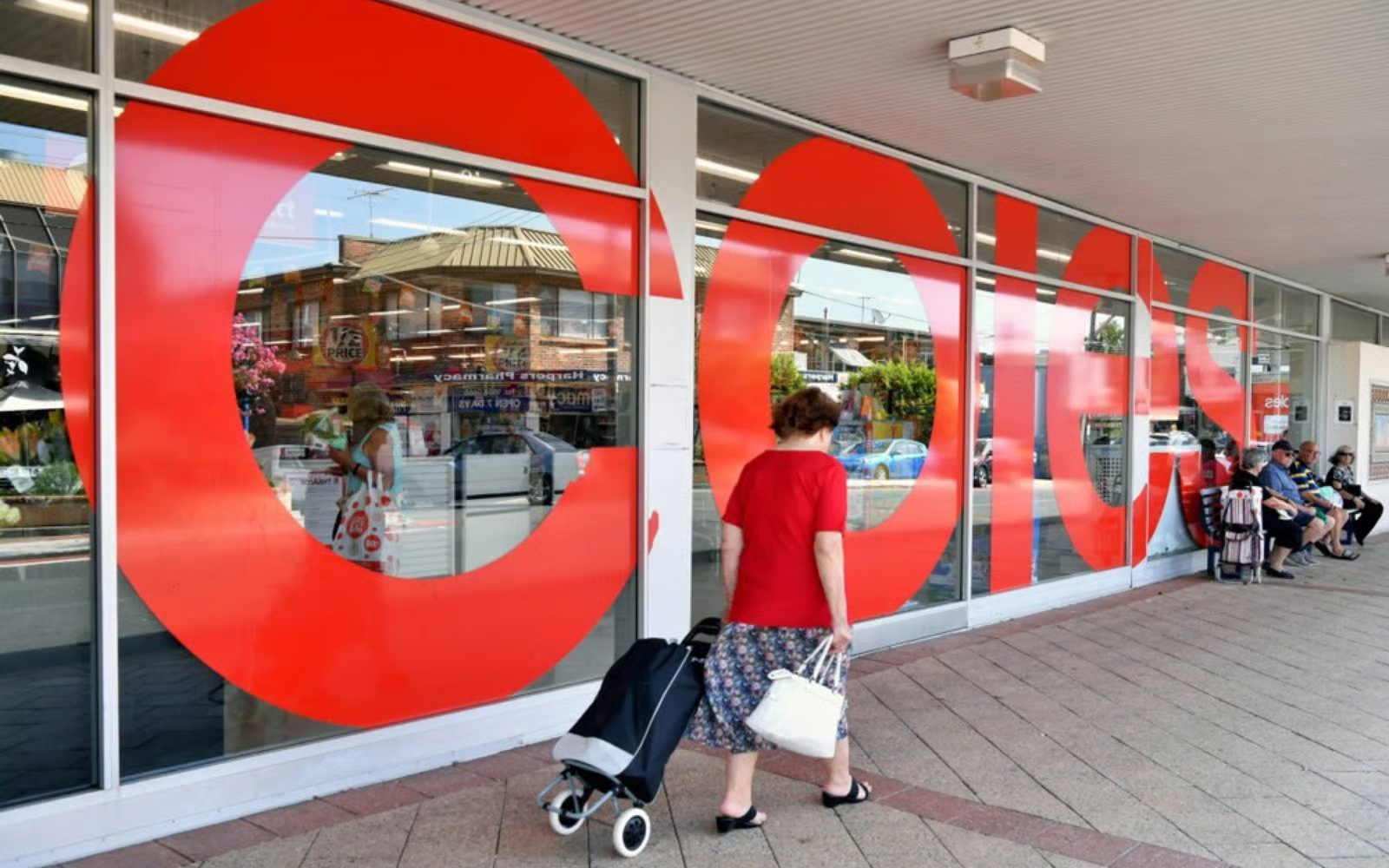

Australia’s supermarket giants are facing one of the biggest consumer trust crises in modern retail history after a landmark Federal Court ruling found that Coles misled shoppers through fake discount promotions, intensifying scrutiny on rival Woolworths and reigniting public anger over grocery prices during the country’s cost-of-living crisis.
The judgment, delivered by the Federal Court this week, represents a major victory for Australia’s ACCC and could reshape how retailers across the country advertise discounts and promotions for years to come. At the center of the controversy are accusations that major supermarkets manipulated prices to create the illusion of bargains while Australian families struggled with soaring inflation, rising rents, and mounting household bills.
The ruling against Coles comes after a lengthy legal battle launched by the Australian Competition and Consumer Commission, which accused the supermarket chain of misleading consumers through its famous “Down Down” campaign. According to court findings, Coles temporarily increased the prices of certain products before later advertising them as discounted items, giving shoppers the impression they were receiving significant savings when many prices had merely returned to earlier levels.
Justice Michael O’Bryan concluded that the supermarket’s conduct was misleading because the inflated “was” prices were not maintained long enough to justify later promotions claiming meaningful discounts. The court determined that ordinary consumers would reasonably believe they were receiving genuine price reductions when, in reality, some products had simply been restored to their previous prices after short-term increases.
The case has become politically explosive because it arrives during one of the worst cost-of-living crisis periods Australia has experienced in decades. Grocery bills have surged across the country since the inflation wave that followed the COVID-19 pandemic and global supply chain disruptions. Millions of Australians increasingly relied on supermarket promotions and discounts to manage household expenses, making allegations of deceptive pricing particularly damaging for consumer trust.
Consumer advocates say the controversy reflects deeper public frustration with Australia’s supermarket duopoly. Coles and Woolworths together dominate the country’s grocery sector, controlling the overwhelming majority of supermarket sales nationwide. Critics argue that such concentration gives the companies enormous power over pricing, suppliers, and consumer behavior.
The ACCC alleged that Coles manipulated prices on hundreds of products between 2021 and 2023. During hearings, the regulator argued that products were often sold at stable prices for extended periods before being temporarily raised and then reintroduced under promotional banners suggesting major savings. In some cases, shoppers allegedly paid prices equal to or even higher than earlier long-term shelf prices despite the products being advertised as discounted.
The court’s decision has immediately placed Woolworths under mounting pressure because the company is facing nearly identical legal proceedings brought by the ACCC. The regulator claims Woolworths used comparable tactics in its “Prices Dropped” campaign, temporarily increasing prices on everyday household goods before later presenting them as special discounts.
Products mentioned in the Woolworths proceedings reportedly included common grocery staples such as biscuits, tissues, vinegar, baby food, pasta, and cleaning products. The allegations have amplified fears among Australian shoppers that major supermarkets systematically exploited inflation anxiety to boost sales and profits amid growing food inflation.
The ACCC’s legal arguments against Woolworths were particularly striking. Lawyers for the regulator reportedly described the pricing strategy as “marketing magic” designed to shape customer perceptions rather than deliver real value. The language resonated widely with consumers who have become increasingly skeptical of supermarket discount campaigns in recent years.
Financial consequences for Coles could now be enormous. Australian consumer law allows courts to impose penalties of up to A$50 million per breach in serious cases involving misleading conduct. Analysts and legal experts believe total fines against the company could exceed A$200 million, potentially making it one of the largest consumer protection penalties in Australian corporate history.
Investors reacted swiftly following the ruling. Shares in Coles reportedly fell sharply after the judgment, erasing hundreds of millions of dollars in market value. Woolworths shares also declined as investors began pricing in the risk of similar findings against the company later this year.
Beyond financial penalties, the ruling threatens broader reputational damage for the supermarket industry. Trust has become a critical issue for retailers during the inflation era, particularly as households scrutinize every grocery purchase more carefully than before.
Former ACCC chairman Rod Sims warned that the court decision sends a clear warning to retailers throughout Australia. According to reporting by The Guardian, Sims said companies must ensure that advertised discounts are genuine and not artificially engineered through temporary price increases.
Legal experts believe the judgment may establish a significant precedent for future consumer law enforcement. Businesses across multiple industries could now face closer scrutiny over “was/is” pricing strategies and temporary price manipulation tactics commonly used during promotional campaigns and aggressive retail discount strategies.
Professor Jeannie Paterson from the University of Melbourne suggested the ruling may force retailers nationwide to rethink how discounts are structured and advertised. Companies may now need to maintain higher prices for substantially longer periods before later reductions can legally be promoted as genuine savings.
The Federal Court also reportedly criticized internal compliance failures at Coles during the inflation surge. Justice O’Bryan indicated that commercial interests appeared to outweigh consumer protection concerns at critical moments. Such remarks are likely to increase public and political pressure on the broader retail sector.
The controversy arrives at a time when supermarket pricing has already become a major political issue in Australia. Parliamentary inquiries, farming organizations, and consumer groups have repeatedly questioned whether the country’s dominant retailers used inflation as cover to expand margins while consumers absorbed higher costs and growing consumer price pressures.
Many Australians now view the Federal Court ruling as confirmation of long-held suspicions regarding supermarket behavior during the inflation crisis. Public frustration has been fueled not only by rising food prices but also by reports of strong profits from major retailers while households struggled financially under mounting economic pressure on households.
The ACCC’s aggressive legal campaign suggests regulators are increasingly willing to challenge large corporations over pricing conduct that may previously have escaped major scrutiny. The outcome of the Woolworths case later this year could become another defining moment for Australian consumer law and retail regulation.
If regulators secure another major courtroom victory, Australia’s supermarket industry may be forced into sweeping reforms affecting promotional pricing, advertising strategies, and compliance systems across the entire sector.
For shoppers, the ruling has become about more than supermarket discounts. It touches a deeper question of trust during an economic crisis in which ordinary households increasingly believe powerful corporations exploited inflation for commercial gain.
As legal proceedings continue and public anger grows, Australia’s supermarket giants now face a difficult challenge: convincing consumers that future discounts are real at a moment when confidence in the retail sector has rarely been lower.