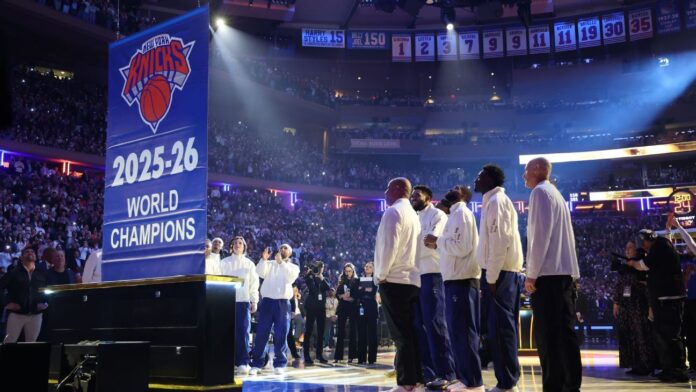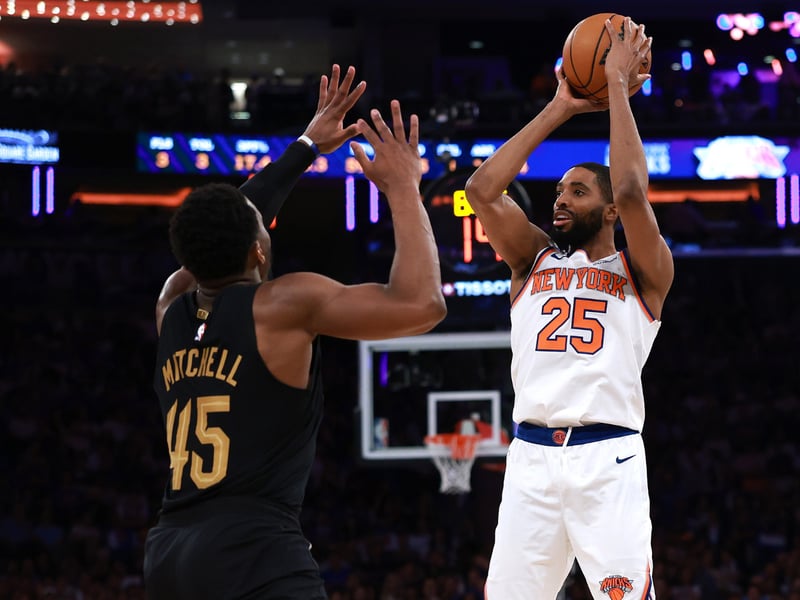

The New York Knicks produced one of the most dramatic playoff reversals in recent Eastern Conference Finals history, erasing a 22-point fourth-quarter deficit to defeat the Cleveland Cavaliers 115-104 in overtime in Game 1 at Madison Square Garden. The victory gave New York a 1-0 series lead and instantly became one of the defining postseason moments of 2026.
Cleveland controlled the game for long stretches, building a comfortable lead through three quarters with disciplined offense and strong shot selection. But the entire contest flipped in the final period, as the Knicks unleashed a sustained defensive surge and increased tempo that completely destabilized the Cavaliers’ structure.
Jalen Brunson once again anchored New York’s comeback identity. His late-game execution, poise under pressure, and ability to control tempo in isolation situations turned a near-certain defeat into a historic turnaround. His role continues to define the Knicks’ postseason identity and their growing reputation for late-game resilience.
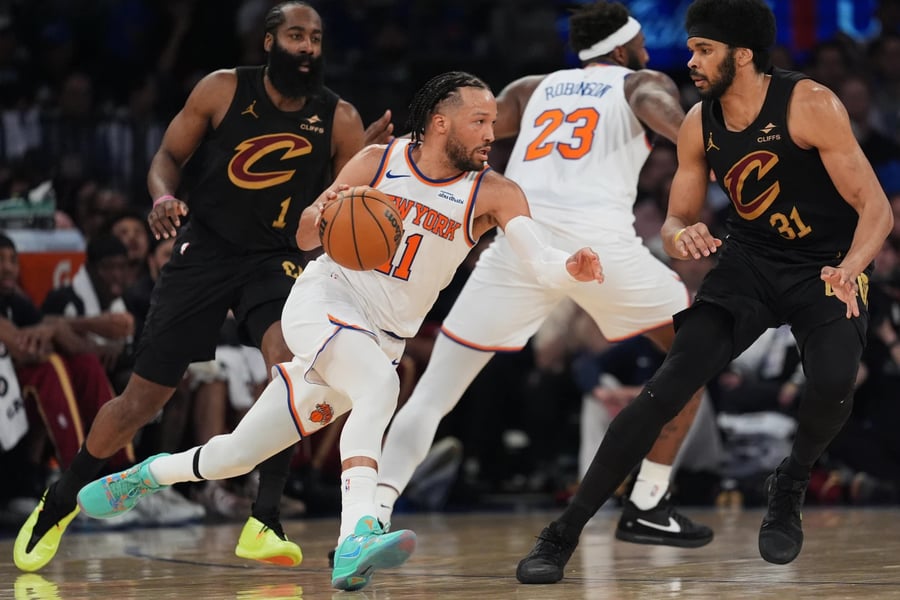
According to official game data, the Knicks’ fourth-quarter run completely shifted momentum, forcing overtime where Cleveland failed to recover.
The Cavaliers entered the series with significant momentum after a dominant postseason run that secured their place in the Eastern Conference Finals. Their path included a commanding series-clinching victory that highlighted their offensive firepower and star leadership.
However, Cleveland’s postseason journey has not been without strain. Defensive inconsistencies and late-game execution issues had already surfaced in earlier rounds, raising concerns that reappeared at the worst possible moment in Game 1.
Those concerns were compounded by previous playoff tension, including a controversial overtime finish earlier in the postseason that placed added scrutiny on Cleveland’s decision-making in clutch situations.
In Game 1, that pressure became visible late, as Cleveland struggled to regain composure during New York’s surge. Fatigue from a physically demanding playoff run also played a role in their inability to close the game.
On the other side, the Knicks’ postseason identity has been shaped by defensive discipline and late-game execution. Their earlier playoff dominance established the foundation for this deep run, built on structured offense and aggressive perimeter defense.
Brunson’s consistency has been the defining factor of New York’s rise. His scoring bursts and control of tempo have repeatedly broken opposing defenses throughout the playoffs

From a tactical standpoint, New York’s comeback was driven by increased defensive pressure, forcing turnovers and rushed possessions from Cleveland. Offensively, the Knicks shifted toward more direct actions involving Brunson, allowing them to attack mismatches and control pace into overtime.
The atmosphere at Madison Square Garden added further weight to the moment. Fan demand and ticket trends throughout the postseason have reflected the surge in Knicks popularity and the broader cultural energy surrounding their playoff run.
With the Game 1 victory, New York now holds early control of the series, while Cleveland faces immediate pressure to adjust before Game 2. The Cavaliers must solve late-game execution issues quickly to avoid falling into a deeper hole.
Brunson’s leadership, combined with New York’s defensive identity and clutch execution, continues to define the Eastern Conference Finals narrative. Game 1 will be remembered not only for the historic comeback, but also for the momentum shift it may represent in the series.