
LAS VEGAS — Thursday morning, three separate ownership groups are expected to submit second-round bids for a basketball team that does not exist.
The price for that team, which would play in a venue not yet determined in a city not yet awarded a franchise, is expected to approach $10 billion. One bidding group has publicly claimed it can raise $13 billion. The NBA has not approved a Las Vegas expansion team. It has not selected an ownership group. It has not finalized a franchise fee. Thursday is when the organizations competing for that seat submit their clearest statement of what they are willing to pay to get it.
That is the shape of the NBA’s expansion process in September 2026: a race to what could become the largest entry fee in North American sports history, with the finish line still being drawn.
The three Las Vegas groups that have advanced to this stage are Bill Foley, the owner who built the Vegas Golden Knights into an NHL Stanley Cup champion inside of six years; Nancy Walton Laurie and her husband Bill Laurie, heirs to the Walmart fortune with existing holdings across real estate and sports; and a group led by former USA Basketball chairman Jerry Colangelo and former NBA head coach Vinny Del Negro, who have publicly stated they can raise $13 billion and would finance a new arena to go with it.
Foley is considered one of the leading contenders, according to Yahoo Sports reporting on the expansion process, along with the Walton Laurie group. When the Las Vegas expansion field still had five bidder groups competing in early September, the franchise fee conversation was centered around $8 billion. Three weeks later, the number the league is working with has moved above $10 billion, a signal of how competition among the remaining groups has changed the calculus.
The Colangelo-Del Negro group’s arena claim addresses one of the NBA’s most visible concerns about Las Vegas. The city’s existing large-scale venues are configured for other sports: T-Mobile Arena seats 17,500 for hockey, Allegiant Stadium was built for the Raiders. The NBA wants a purpose-built basketball facility in whatever city it awards an expansion franchise. A group offering to construct one is offering something the other bidders are not, even if the $13 billion figure is at least partly a positioning tactic rather than a finalized commitment.
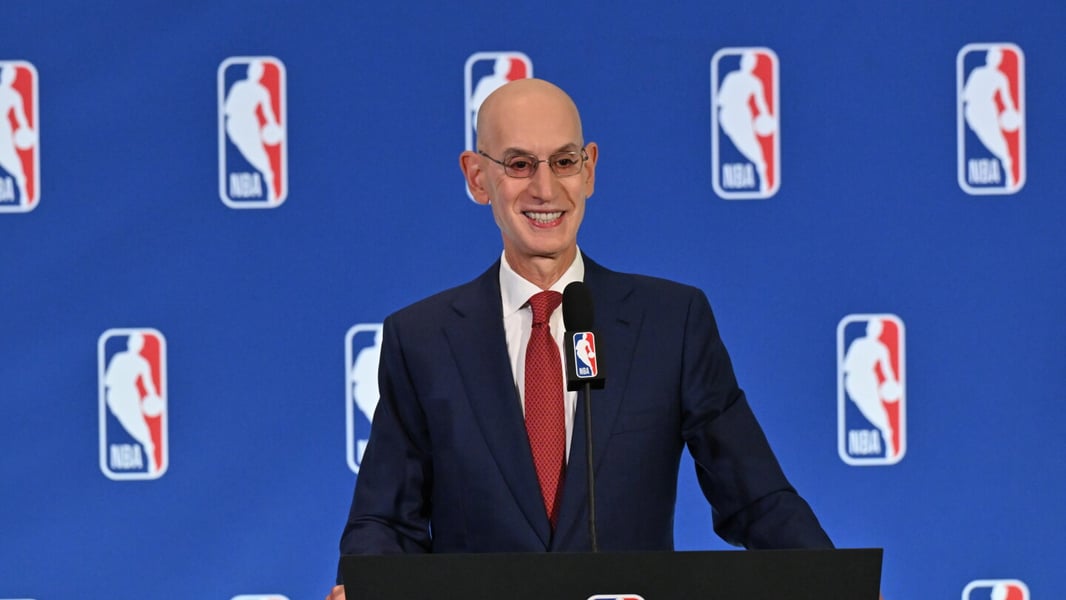
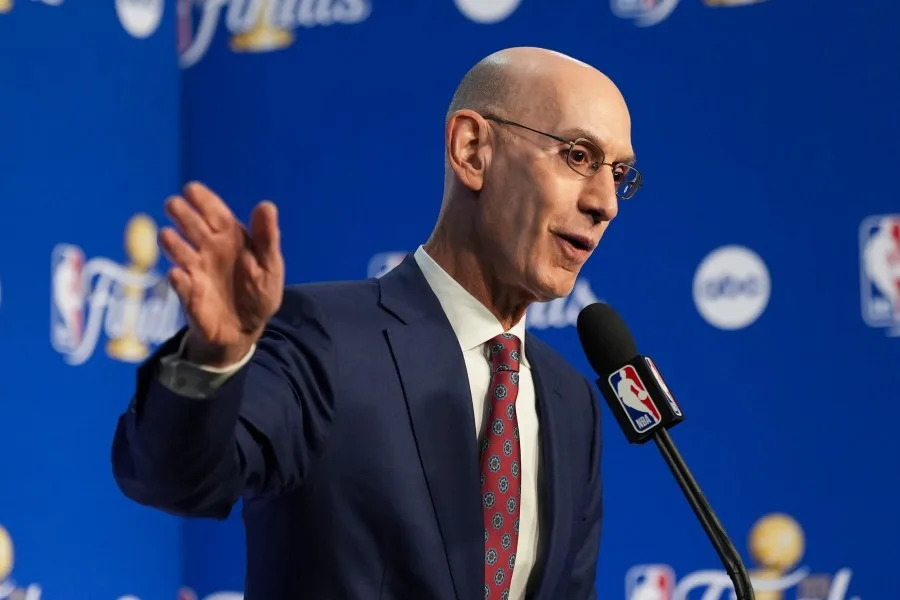
The NBA’s board of governors addressed expansion at its September 12 meeting in New York, a session that also covered the league’s European ambitions and the Clippers arena situation. Commissioner Adam Silver has said he wants a final expansion decision before the end of 2026, with both Las Vegas and Seattle targeting entry in the 2028-29 season. The implied order of operations: choose a Las Vegas group first, then redirect attention to Seattle.
NBC Sports reported that the league intends to identify a Las Vegas ownership group before redirecting its full attention to Seattle. Thursday’s bids are not just the next step in an open-ended process. They are the last step before the sequence accelerates toward a conclusion.
The evaluation criteria go beyond the headline number. Ownership structure, financing documentation, arena planning, local regulatory relationships, and market analysis all factor into the league’s decision. A $13 billion bid without concrete equity commitments is worth less than a $9.5 billion bid backed by a documented financing structure. Foley’s operational case, if he makes it effectively Thursday, is that the Golden Knights already proved this market works: six years, a Stanley Cup, consistent sellouts, and a fan base that materialized faster than most expansion projections suggested.
The counterargument runs through the Raiders. Las Vegas’s NFL franchise has not replicated that trajectory. The NBA’s calculation is whether Las Vegas is a city where hockey happened to work, or whether it is a city capable of supporting multiple major professional franchises simultaneously.
For context: the Phoenix Suns sold for approximately $4 billion in 2023, which at the time was a record for an NBA franchise sale. Whatever Las Vegas pays in an expansion fee will almost certainly be more than double that. The NBA has priced that into the process. The bidders are competing to pay it anyway.
What none of them has said publicly is exactly what Thursday’s number should be. That question gets a partial answer in a few days. Whether it gets a complete one depends on what the league decides to do with what it hears.