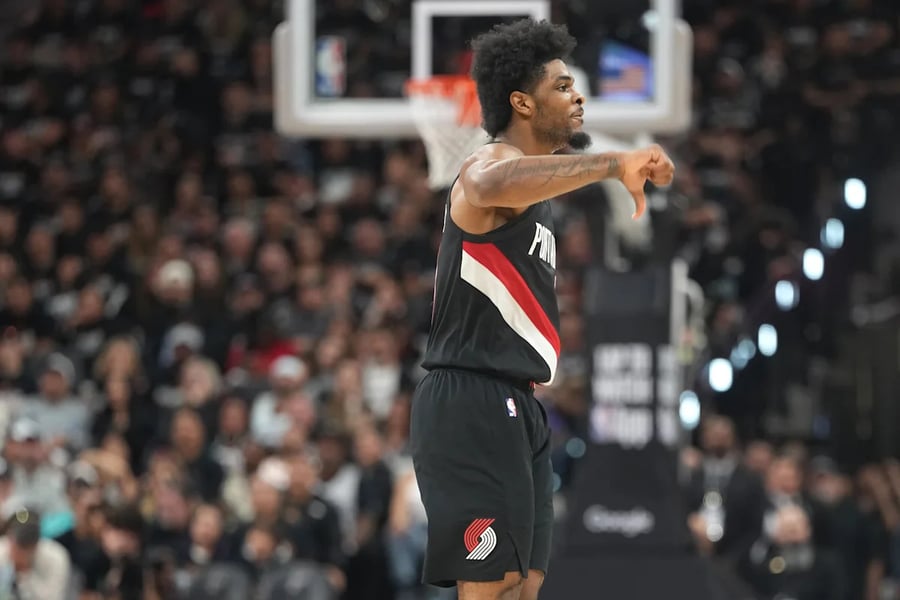

PORTLAND — When the Detroit Pistons gave Ausar Thompson a five-year, $155 million extension on Thursday, they made the final unresolved subplot of the 2023 NBA draft’s extension window more uncomfortable.
Scoot Henderson, selected third overall—one spot ahead of Thompson—watched the news arrive without a comparable development in Portland. There was no call and no offer. Four of the draft’s top five selections have now secured their futures. Henderson is the exception.
The Trail Blazers exercised their team option on Henderson for the 2026–27 season at $13.6 million, but they have not begun extension negotiations. With the deadline set for October 19, the day before the regular season starts, the window is narrowing toward a decision neither side appears eager to make.
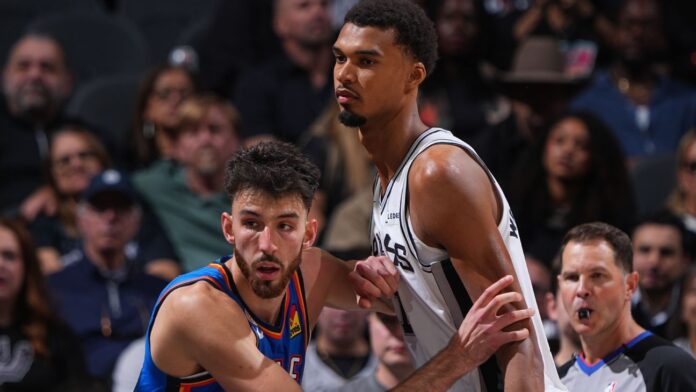
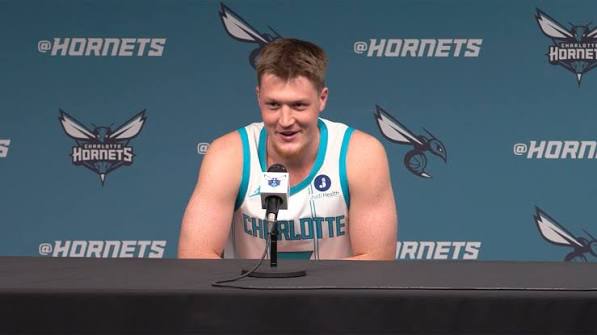
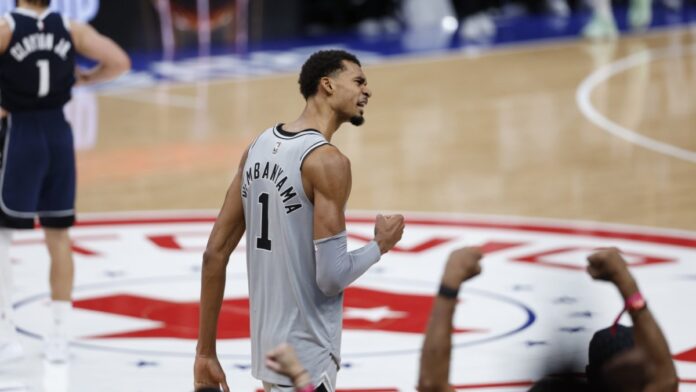
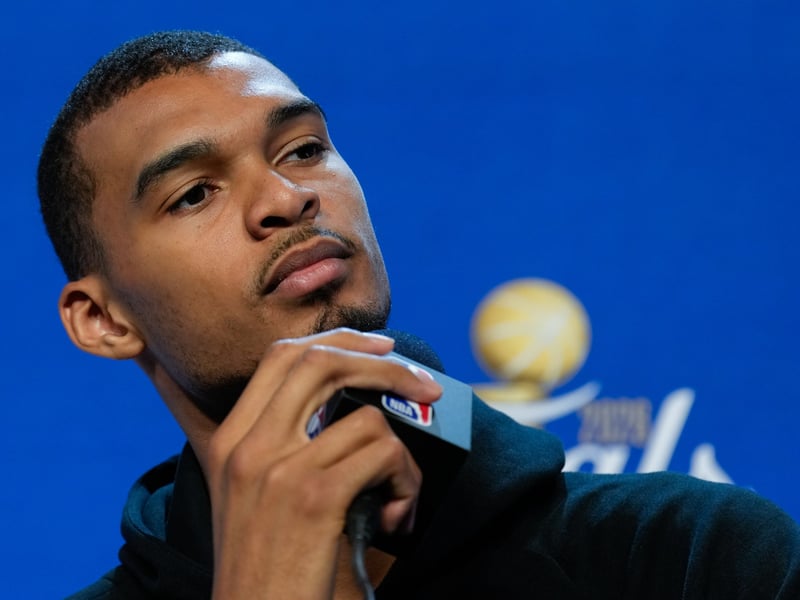
Victor Wembanyama committed to San Antonio in July, choosing a five-year, $252 million deal and deliberately taking less than his maximum to preserve Spurs flexibility. Al Jazeera first reported the terms when the deal was signed. Amen Thompson, the fourth pick, agreed to five years and $208 million with Houston in September, the NBA announced. Ausar Thompson followed Thursday. Brandon Miller, the second pick, is in discussions with Charlotte. Henderson, the third-overall selection, is entering his fourth professional season without a conversation.
At its surface, this is a contract story. Underneath, it is something more specific: a rebuilding team that drafted a player to be its franchise cornerstone, then spent the offseason acquiring two All-Stars, and now does not appear to know where the player it built around actually fits.
Portland traded Jerami Grant and Kris Murray to Memphis for Ja Morant in the summer, a move that reoriented the entire franchise even as Henderson was still expected to recover from a torn hamstring that cost him half of the 2025-26 season. Damian Lillard returned too, back from his Achilles injury in Milwaukee. Jrue Holiday, Shaedon Sharpe and Deni Avdija fill out a backcourt rotation that has no obvious vacancy.
Henderson posted 14.2 points, 3.7 assists and 2.7 rebounds per game in 30 appearances last season before the hamstring injury ended his year. At 41.8 percent shooting, his efficiency remained inconsistent, a persistent question mark on the decision-making and shot-making a franchise point guard needs to have settled by year three. His career averages of 13.5 points, five assists and three rebounds per game are solid for a rotation piece. They are not the numbers Portland had in mind when it selected him third overall.
The team’s most assured developing player is now Donovan Clingan, the 2024 second-overall pick who led the NBA in offensive rebounds at 4.5 per game last season while posting 12.1 points and 11.6 rebounds. Clingan is the featured young piece. Henderson, drafted one class earlier and taken higher, is the question.
Portland has not moved on Henderson publicly. It exercised his team option, kept him on the roster through a significant offseason acquisition period, and has not indicated it intends to trade him. That patience is real. So is the silence around an extension.
What Portland appears to be doing is watching, deciding whether Henderson emerges from training camp as a clear contributor in the new construction or whether a trade that serves both sides becomes the more honest outcome. The October 19 deadline forecloses any clean middle path. After it passes, Henderson will finish the season on his rookie deal, become a restricted free agent in 2027, and enter negotiations while Portland holds his rights for one additional year. That outcome is available to both sides. It carries no urgency. It carries only the continuing uncertainty of a relationship neither team nor player has resolved.
The draft class Henderson came from will have distributed more than $800 million in extension guarantees before October 19 arrives. His peers made decisions, found clarity, locked in. Henderson heads into the 2026-27 season as the draft’s most expensive unresolved question: a player capable of starting in this league, on a team that may not have a starting role for him.
Portland selected Henderson to lead its rebuild. Portland then acquired Morant and Lillard and Holiday. What that means for Henderson specifically, whether he fits, whether he stays, whether the Blazers extend a player they have never quite committed to, is the question that turns over in Portland on the way into October.
The deadline arrives in twenty-nine days. There is no sign it will be answered before then.